2017 in Books
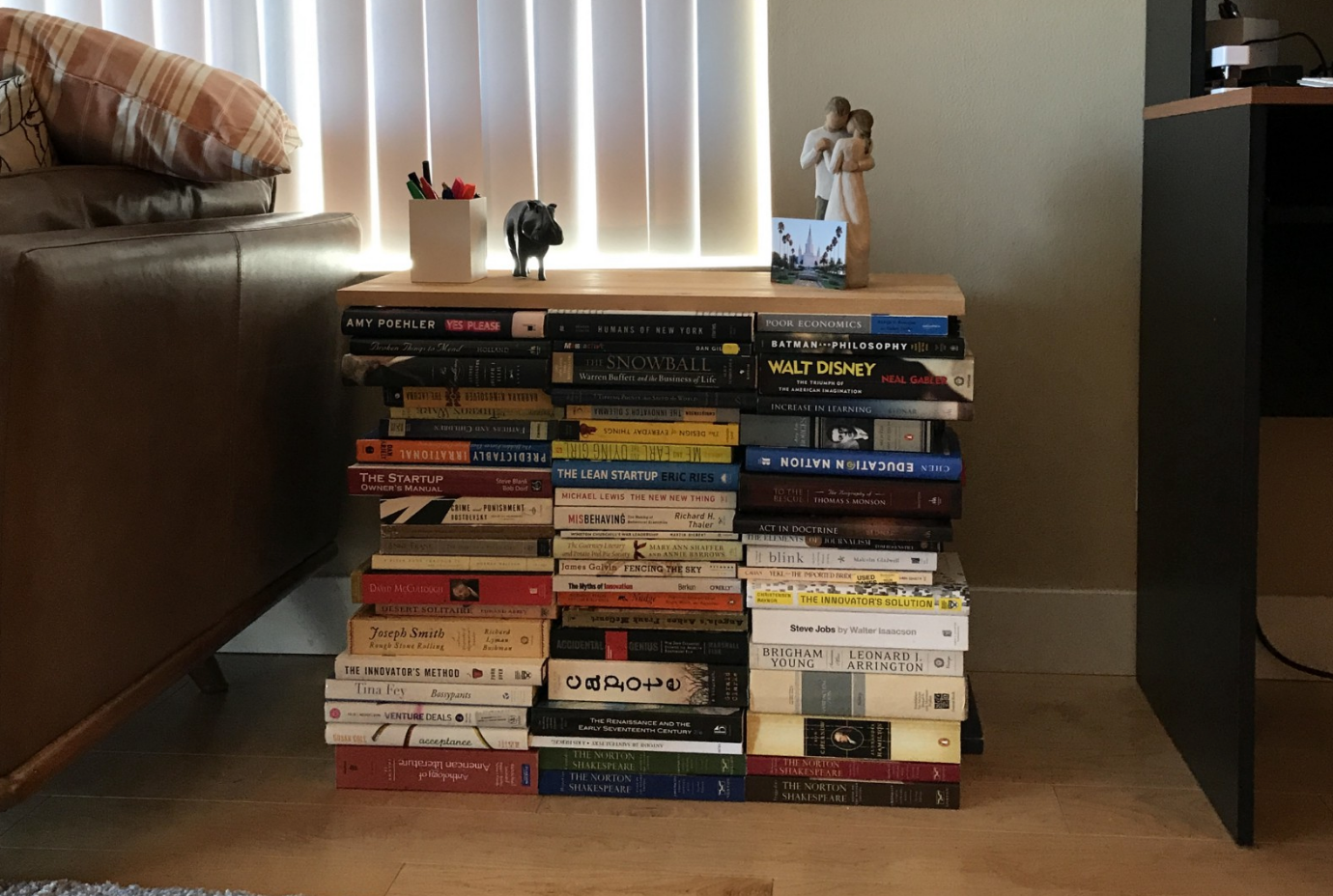
I had set a goal to read a lot of books in 2017. I didn’t reach the number I’d laid out, but about halfway through the year I realized I wanted to get moreout of what I read, rather than to justget through more. One of the reasons I’ve always enjoyed reading (aside from the reading, and learning) was the desire I have to finish things. This has been good when it’s a good book, but debilitating when it’s a bad book. So one of the untold stories of 2017 is how well I did in giving up on books if they didn’t capture me. But as for the books that I did read, I wanted to remember what impacted me most as I read.
This post is insanely long. I don’t expect anyone to actually read it. Instead, it’s a record for me to remember the books I read in 2017, and the quotes that impacted me. I’ve already referred to this collection of quotes often.
2017 has come and gone. I can still remember New Years Day, the first day of 2017, sitting in a comfortable chair in Portland, going back and forth about which book I would start the year off with. Eventually, it came down to whether I would start with a Kindle book, or a physical one. “Maybe I should flip a coin.” No coins to be found. Where’s my newest physical book? Upstairs. Where’s my Kindle? In my hand. Kindle it is! The ability to make decisions is one of the most important skills we possess.
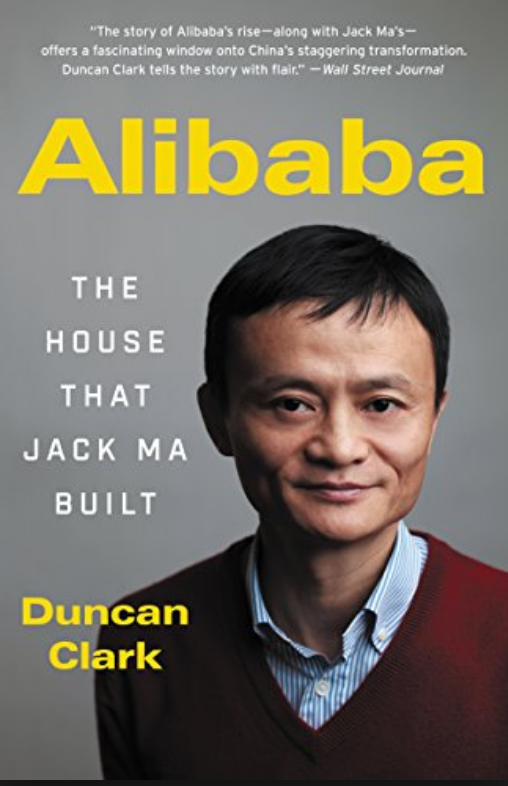
The House That Jack Ma Built*
I don’t know very much about China. But 2017 was a year that I repeatedly had the impression that I ought to know more about China. 20% of the world speaks Mandarin. 1.4 billion people are in China. I’m not a betting man, but my gut tells me the country is important.
“China changed because of us in the past fifteen years. We hope in the next fifteen years, the world changes because of us.” (Jack Ma)
What was most inspiring, to me about Jack Ma was his lack of a technical background. One of the largest tech companies on the planet was conceived by someone who still talks about how he doesn’t fully understand how the internet works.
“I’m not a tech guy. I’m looking at the technology with the eyes of my customers, normal people’s eyes.” (Jack Ma)
The Design of Everyday Things*
I went through a brief stint at the beginning of 2017 where I thought I wanted to be a designer. I started carrying around a sketchpad and sketching out product ideas. That led me to behavioral economics and social design. And while I’m pretty confident now that I don’t have what it takes to be the designer, I believe more fully than ever the importance of understanding design and the aspects that make it up. Many thanks to Powell’s City of Books in Portland for exposing me to it.
The problem with the way engineers design vs. designers— “You are designing for people the way you would like them to be, not for the way they really are.” Poor Economics*
This is one of those books that I read and think, ‘how is it that we can have books like this, and still not have solved all the worlds problems?’ What this book does NOT do is, as the last chapter makes clear, provide a ‘sweeping conclusion.’ Instead, it frames the way we should think about problems. If we can first recognize the potential poverty traps inherent in the way societies are organized, we can maybe do something about them. Many thanks to Erik Hansen for referring this book.
Misbehaving*
I can claim coolness because I read this book before Thaler won a Noble Prize. This lays out a broad span of the career of one of the founders and developers of behavioral economics. Given it’s quickly becoming one of the most important fields, this is a worthy summary of it’s founding. Many thanks to Ty Turley for referring it.
Quoting Donald McIntosh — “The idea of self-control is paradoxical unless it is assumed that the psyche contains more than one energy system, and that these energy systems have some degree of independence from each other.” Stock picking in a nut shell — “Professional investment may be likened to those newspaper competitions in which the competitors have to pick out the six pretties faces from a hundred photographs, the prize being awarded to the competitor whose choice most nearly corresponds to the average preferences of the competitors as a whole: so that each competitor has to pick, not those faces which he himself finds prettiest, but those which he thinks likeliest to catch the fancy of the other competitors, all of whom are looking at the problem from the same point of view. It is not a case of choosing those which, to the best of one’s judgement, are really the prettiest, nor even those which average opinion genuinely thinks the prettiest. We have reached the third degree where we devote our intelligences to anticipating what average opinion expects the average opinion to be.” Quoting Mark Twain — “It ain’t what you don’t know that gets you into trouble. It’s what you know for sure that just ain’t so.” In Defense of a Liberal Education*
I’m not a liberal arts major. I didn’t go to a liberal arts school. I haven’t taken that many liberal arts classes. For 60% of my college education, I could have been borderline illiterate as long as I understood numbers. But I recognize that the most valuable classes I took were the ones that made me think, the ones where I was required to structure my thinking. That was what this book drove home for me.
The book begins with a quote:
“We are drowning in information, while starving for wisdom. The world henceforth will be run by synthesizers, people able to put together the right information at the right time, think critically about it, and make important decisions wisely.” (E. O. Wilson)
I walked away from this book having written a commitment in the front: “Create an organization or publication called ‘Defenders of a Liberal Education’ and chronicle a handbook of efforts and approaches to improving the rigor and impact of a liberal arts education.” That’s the kind of impact this book had on me. Many thanks to the Elliot Bay Book Company in Seattle for exposing me to it.
These three quotes are what I think are the crux of the thing: Predictably Irrational*
After falling in love with behavioral economics via Thaler’s ‘Misbehaving,’ I started searching for all the other thought leaders in the space, and stumbled upon Dan Ariely. Many thanks for Pioneer Bookin Provo for helping me find this one.
I don’t know why behavioral economists quote Mark Twain so much, but they sure do — “Tom had discovered a great law of human action, namely, that in order to make a man covet a thing, it is only necessary to make that thing difficult to attain.” Referring to his conversations with some major banks — “Well, they never called me back. (It might have been that they were worried about losing the $17 billion in interest charges, or maybe it was just good old procrastination.) But the idea is still there — a self-control credit card — and maybe one day someone will take the next step.” The Elements of Journalism*
This book was published in 2001. In light of the introduction of #fakenews and my run-in with an interesting thought of the past called Grasswire, I felt obligated to learn something about news. “Journalism is so fundamental to that purpose [of freedom], as we will see, societies that want to suppress freedom must first suppress the press.” I started and didn’t finish a book by Al Gore called “Assault on Reason” where he just could not stop reaming the Bush administration for their apparent lack of moral scruples or sense of reality. I wonder how Gore would feel now that we have a President who literally doesn’t know what’s real anymore. This book, more than ever, felt important to read.
When we think of democracy, we think of freedom, the rights that allow us to self-govern. But when you consider the general level of information people have about government, its abysmal, myself included. Can you have a self-governing country when the vast majority are completely uninformed as to what is, in fact, good for themselves? Many thanks to Weller Book Works in Salt Lake City for exposing me to this one.
Remember, this book was written in 2001! — “While it is unquestionably true that internet-connected consumers of the early twenty-first century have more news outlets at their disposal than their counterparts in the early twentieth century, there is little proof that they devote more time to learning about the news. In fact, despite the growth in amount of news available, studies show that the time people spend with the news has remained basically static.” Playing To Win*
I read this book for a business strategy class. It is not a book I would have picked up and read on my own.
Islam and the Future of Tolerance*
Similar to how I feel about China, and the importance of understanding China’s role in the world as a culture and economic power, I feel similarly about Islam, if for no other reason, than that most people aren’t trying very hard to understand much of anything about the world’s second largest religion.
Conversation is something that doesn’t happen enough. Regardless of your beliefs or opinions regarding any certain group of people, treating other humans with dignity is important. There was a video a while back where homophobic and gay people were put together and asked to hug. You watched them come to grips with each other. The point of interactions like that shouldn’t be to force one group to unconditionally accept everything about the other. But regardless of differences, we should be able to treat each other like human beings.
That’s what I appreciated about this book. No matter their differences, they did their level best to actually have an understanding dialogue. Many thanks to the Elliot Bay Book Company in Seattle for exposing me to it.
The Smartest Kids in the World*
Recently I had a conversation with some friends, and it can effectively be described as a rabbit hole. We began with talking about education and the problems in our system. But in solving those problems, that led to the failure of the family, which led to poverty, income inequality, and incarceration, which led to a discussion on funding and military spending, which led to a discussion of Donald Trump being the worst, which led to elections and campaign finance. Rabbit meet hole.
At the end of the day, I don’t know what the solutions are. I barely know what all the problems are. As Amanda Ripley summed it up, “How much of our problems could be blamed on diversity; poverty; or the vastness of hte country? Were our weaknesses mostly failures of policy or of culture, of politicians or of parents?”
Books like this one leave me wondering, ‘why doesn’t everyone just read this and then we all go solve this whole thing together?’ But more than prescribe a cut and dry solution to the problem, Amanda Ripley lays out a clear, data-driven investigation of the educational super powers in the world.
Kids like Kim, who put together a petition to defend rats who were being used to detect bombs. Her friends laughed and were grossed out by the idea. “She wouldn’t have minded if they’d thought [it] were a good idea; what had upset her was that they didn’t seem to care at all. Why didn’t they care?”
Kids like Eric, who, after two years realize an international baccalaureate program “had challenged him in a way nothing else had. And it had reminded him how it felt to really learn — to think and discover things for the sake of discovery, not because it was what he was supposed to do.”
I won’t attempt to layout the argument she makes the data she provides. Just what stuck out to me. I’ll only say this — education is a complicated issue that I’m not sure almost anyone is thinking about the right way. Many thanks to Powell’s City of Books in Portland for exposing me to it.
Elon Musk: Tesla, SpaceX, and the Quest for a Fantastic Future*
I don’t care if you love him or you hate him. Elon Musk is a deeply impressive man. I had a similar reaction to this book as I did reading Walter Isaacson’s Steve Jobs biography: an impressive person with many admirable traits and accomplishments but not always exactly the kind of person I want to be. Many thanks to Powell’s City of Books in Portland for exposing me to it.
What You Should Know About Politics But Don’t*
The world is complicated. I’m not sure I’ll understand everything I ought to understand. This book helped realize that. The other issue with learning about politics is that things are constantly changing and shaped by perspective. That makes it difficult to ever feel truly conversant in it. I feel for people like Gary Johnson. Granted, he was running for office and should have known what Aleppo was, but I certainly didn’t, and would have a similar reaction to a lot of questions. Many thanks to Brattle Book Shop in Boston for exposing me to this one.
In regards to Citizens United — “This has changed the political landscape so thoroughly that it is difficult for even the best-intentioned and most public-spirited elected official to listen more to his or her general constituents than to the lobbyists who will fund his or her next campaign and TV ads.” Quoting Eisenhower — “In the councils of government, we must guard against the acquisition of unwarranted influence, whether sought or unsought, by the military-industrial complex. The potential for the disastrous rise of misplaced power exists and will persist.” The Last Lecture*
While I was serving a 2-year LDS mission in Pennsylvania, I saw this book on the coffee table of just about everyone I met. The book is the last lecture given by a professor at Carnegie Mellon in Pittsburgh before he succumbs to cancer. This little book is one of the most powerful summaries I’ve ever seen someone give of a persons life (including some of the great big biographies that have been published), and Pausch is able to do that justice to his own life. Many thanks to my good friends Sharon and Emmett Cook who first exposed me to this.
There’s only one way to help kids develop self-esteem: “You give them something they can’t do, they work hard until they find they can do it, and you just keep repeating the process.” Side note: I’ve often found myself in this situation where I see what someone is doing, or what they’re working on, or struggling with, and I want to offer help. I’ll say things that I think are supportive. Instead of being grateful (or offended) people usually say, “yeah, we did XYZ which is basically the same.” I have yet to figure out a way to effectively say, “I love you. I love what you’re doing! I’d like to come together, combine our mental efforts, and lift what you’re doing to a higher plane.” Something his father said to him: “He said he’d prefer that I worked hard and become the best ditch-digger in the world rather than coasting along as a self-impressed elitist behind a desk.” Side note: I have no idea what kind of dad I’m going to be. But one thing I know, I want my kids to know that I believe in the idea that ‘whatever you are, you should be a good one.’ There are some things that I’ve struggled to understand and get excited about. Medicine is one. I fully understand the importance of medicine, and people becoming doctors. But I’ve never been able to get overly excited about the discussion. Maybe it’s because I don’t always understand the intricacies. But if my child wants to be a doctor, or an artist, an author, or a race car driver, I expect them to work hard and be good at it. The Startup of You*
In college, I kept finding myself with opportunities to give advice. And often, what I encouraged people to do when it came to crafting their career opportunities, I kept thinking of a need for a book called “The Lean Startup of Your Life.” Turns out Reid Hoffman already put something like this together. The majority was about personal networking, whereas my thoughts revolve around things like taking a career opportunity and having small, experimental iterations to understand your interests. Generally, I think more people could learn incredible life lessons from applying the same logic we use to build startups, and thinking about they would thoughtfully design their lives. Many thanks to the BYU Rollins Centerfor exposing me to this one.
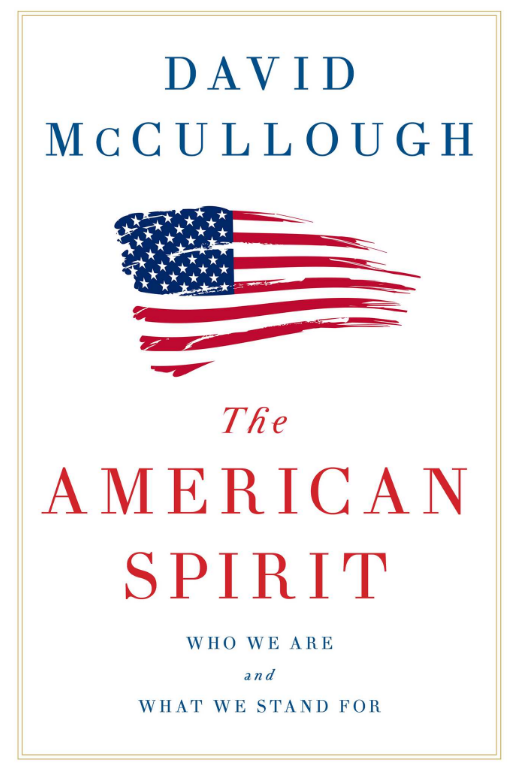
The American Spirit*
I can’t fully express what I felt as I read David McCullough’s *John Adams.*So when I heard he was releasing a collection of his speeches, I just had to have it. What is powerful to me is how he’s able to weave storytelling and patriotism in such a way that I feel driven to be a better person by being a better citizen. Many thanks to BookBub for exposing me to this one.
Quoting George Washington’s oath — “I have sworn upon the altar of God eternal hostility against every form of tyranny over the mind of man.” Quoting Thomas Jefferson — “It is wonderful how much may be done, if we are always doing.” Quoting Ronald Reagan — “How can we love our country and not love our countrymen? And loving them, reach out a hand when they fall, heal them when they’re sick, and provide opportunities to make them self-sufficient so they will be equal in fact and not just in theory.” Quoting John F. Kennedy — “If more politicians knew poetry, and more poets knew politics, I am convinced the world would be a little better place to live.” Winston Churchill’s War Leadership*
When I spent a summer at Cambridge, I took every opportunity I could to go down to London. I spent the vast majority of my time in bookstores, but one rainy Sunday morning a friend of mine convinced me to go to the Churchill War Rooms, where they’ve preserved the bunker from which England fought World War II.
I’ve always focused my reading on the American Revolution, but what I learned in that museum was that great men and women with great ideals and great effort have done great things throughout history, regardless of the time. Churchill was one of the those people.
More than anything, what I learned about Winston Churchill, and what I’m sure someone has written about even more in another book, was his role as the original king of life hacks. His was a victory of organization and effectiveness when faced with a barricade of other people’s fear and minutia.
“The problem is not winning the war, but persuading people to let you win it.”
Many thanks to Manchester By The Book in Manchester, Massachusetts, for exposing me to this one.
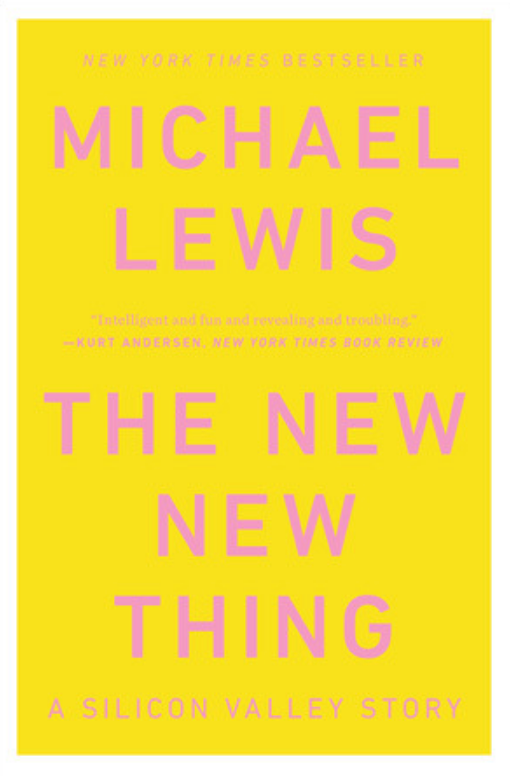
The New New Thing*
I liked The Big Short. I liked the Blind Side. I liked Moneyball. I like just about everything by Michael Lewis. But when my father-in-law got me a copy of The New New Thing for Christmas in 2014, I must admit I was skeptical. My skepticism robbed me of the opportunity to enjoy this book for 3 years. But my ignorance is lifted and I’ve fully enjoyed this story. Many thanks to Craig Hardy for this gift, and I apologize for doubting him. I’ve only known him to select wonderful books, and now I know I can count on that.
Alexander Hamilton*
I have a deep and complicated relationship with long-form biographies of the founding fathers, first with John Adams, and now Alexander Hamilton. I didn’t think I would like this book, in part because David McCullough made me like John Adams so much, and Alexander Hamilton sunk any hope of a 2nd presidential term for John Adams. But what I’ve learned is that, with all of these men, they’re human with strengths and weaknesses, and many things worth learning from.
Many thanks to Camden Harrison for making me listen to the musical, and to Lin Manuel Miranda for making a musical that made me want to read this book, and to theHarvard Book Store in Cambridge, MA for providing my copy.
In relation to a witnessed mobbing that would go on to influence Hamilton’s fear of anarchy throughout his career — “In times of such commotion as the present, while the passions of men are worked up to an uncommon pitch, there is great danger of fatal extremes. The same state of the passions which fits the multitude, who have not a sufficient stock of reason and knowledge to guide them, for opposition to tyranny and oppression, very naturally leads them to a contempt and disregard of all authority. The due medium is hardly to be found among the more intelligent. It is almost impossible among the unthinking populace. When the minds of these are loosened from their attachment to ancient establishments and courses, they seem to grow giddy and are apt more or less to run into anarchy.” Quoting William Pierce about Hamilton — ”When he comes forward, he comes highly charged with interesting matter. There is no skimming over the surface of a subject with him. He must sink to the bottom to see what foundation it rests on.” Quoting John Adams — “I hate levees and drawing rooms. I hate to speak to a thousand people to whom I have nothing to say.” Hamilton writing to his wife — “I always feel how necessary you are to me. But when you are absent, I become still more sensible of it and look around in vain for that satisfaction which you alone can bestow.” In relation to the Sedition’s Act — “Another editor earned eighteen months behind bars for daring to print the heresy that the government allowed the wealthy to benefit at the expense of commoners.” Hillbilly Elegy*
This may have been one of the more important books I read this year. Not because I agree with everything in it, but because it raises an important conversation. Other people have already effectively explained some of the issues to consider more deeply, but all-in-all, I don’t think Vance’s ideas are completely wrong or completely right. I think there is truth to the cultural struggles that people in rural communities face, but there is also a massive disservice being done to these people on the part of the government.
How Will You Measure Your Life?*
To build on J.D. Vance’s question of how do we get people to ask themselves hard questions, I offer Clayton Christensen’s words. Many thanks to Professor Mark Showalter for having us read an excerpt from this in my Intro to Economics class.
In talking about a tree house he built for his children — “But after it was finished, I rarely saw the children in it. The truth was that having the house wasn’t what really motivated them. It was the building of it, and how they felt about their own contribution, that they found satisfying. I had thought the destination was what was important, but it turned out it was the journey.” Nickel and Dimed*
When I was in Mrs. Beverly’s 11th grade english class, I narrowed my summer reading down to one of two choices: Freakonomics, or Nickel and Dimed. I chose the former and have been all the freakier for it. Nickel and Dimed was a book that I always imagined I would like but never got around to reading. Thanks be to airport bookstores that rekindle long-lost book romances that never were.
As I read this book, I couldn’t help but wonder what an updated version would look like. I thought about a man I knew in New Mexico who was moderately successful professionally. He was someone who, unless he told you, you’d have never guessed he had been homeless for a big chunk of his life. I always wanted him to write a book about how to help homeless people from someone who had really lived it. Nickel and Dimed serves a similar insight for low-income living, but there isn’t necessarily a solution. Ehrenreich shined a light on the problem. My feeling walking away was; ‘what are some solutions to help people?’
Some Quotes:
“In real life I am moderately brave, but plenty of brave people shed their courage in POW camps, and maybe something similar goes on in the infinitely more congenial milieu of the low-wage American workplace.”
In reference to her job as a maid: “Do the owners have any idea of the misery that goes into rendering their homes motel-perfect? Would they be bothered if they did know, or would they take a sadistic pride in what they have purchased — boasting to dinner guests, for example, that their floors are cleaned only with the purest of fresh human tears?”
In reference to owners of the houses they cleaned, and the specific things they wanted the cleaners to be certain to pay attention to: “‘Hot buttons’ are baseboards, windowsills, and ceiling fans — never, of course, poverty, racism, or global warming.”
“What is this assumption that the hungry are free all day to drive around visiting ‘community action centers’ and charitable agencies?”
“The poor have disappeared from the culture at large, from its political rhetoric and intellectual endeavors as well as from its daily entertainment. Even religion seems to have little to say about the plight of the poor.”
*Side note:*I thought this was interesting, and in a lot of instances, it’s true that churches have gone quieter on Christ’s admonition to administer to the poor. But on pg. 132 Ehrenreich points out, “always find a church” because of the community and support it can offer.
“Yes, I know that any day now I’m going to return to the variety and drama of my real, Barbara Ehrenreich life. But this fact sustains me only in the way that, way, the prospect of heaven cheers a terminally ill person; it’s nice to know, but it isn’t much help from moment to moment.”
“Something is wrong, very wrong, when a single person in good health, a person who in addition possesses a working car, can barely support herself by the sweat of her brow. You don’t need a degree in economics to see that wages are too low and rents are too high.”
“If we want to reduce poverty, we have to stop doing the things that make people poor and keep them that way.”
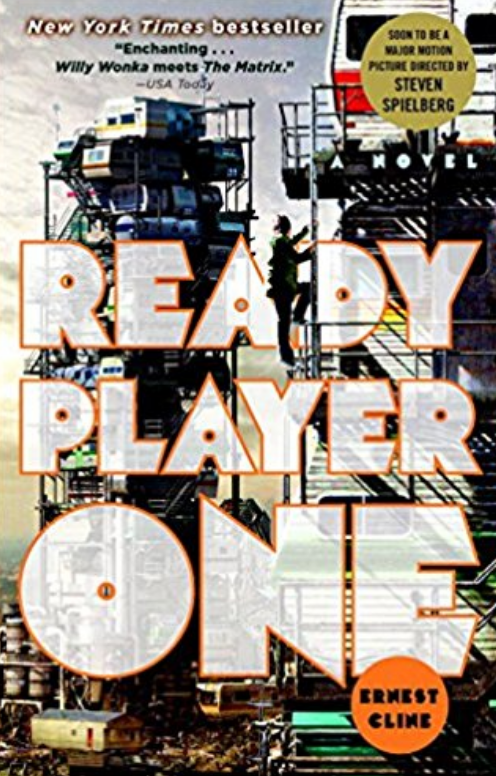
Ready Player One*
This started out as the only fiction book I was going to read this year. But as I read it, I got so engrossed in it, I finished it in a single flight and had everything I had felt about reading fiction as a kid come rushing back. I heard once that this book is required reading at Occulus, the VR company owned by Facebook. I think we would benefit if more fiction was written about what the future could actually look like in the near term. Many thanks to my wife Camden for finally convincing me to read it.
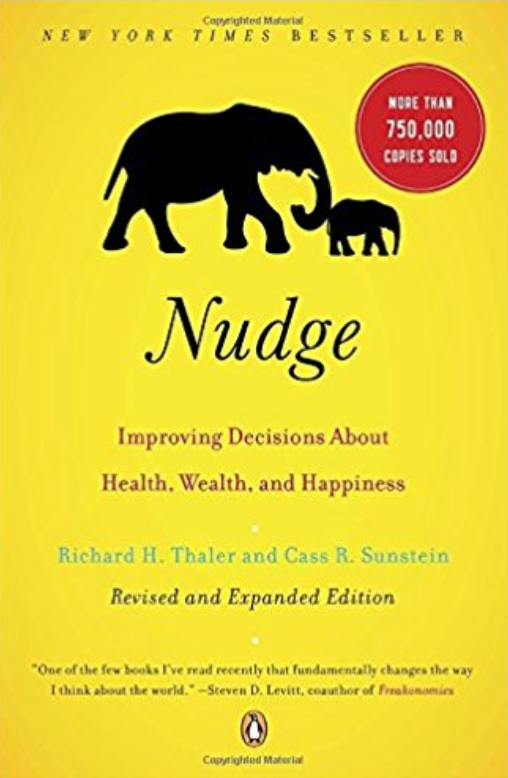
Nudge*
After a brief hiatus from behavioral economics, I was right back on the horse. More so than any of the books I’d read, I felt like Nudge did a particularly good job of being focused on practical, actionable takeaways.
Think about technology that augments humanity rather than profiting from attention — “For all their virtues, markets often give companies strong incentive to cater to (and profit from) human frailties, rather than try to eradicate them or to minimize their effects.” Deep Work*
I borrowed this book from my good friend Tim Riser, while my wife and I were visiting Tim and his wife Chalene in Boston. I hadn’t heard of it before, but after reading it, I feel like it’s one of the most important books I’ve ever read. The idea that deep thought is becoming a more scarce commodity, while at the same time as it’s becoming one of the most important skills.
https://www.youtube.com/watch?v=3E7hkPZ-HTk&t=2s
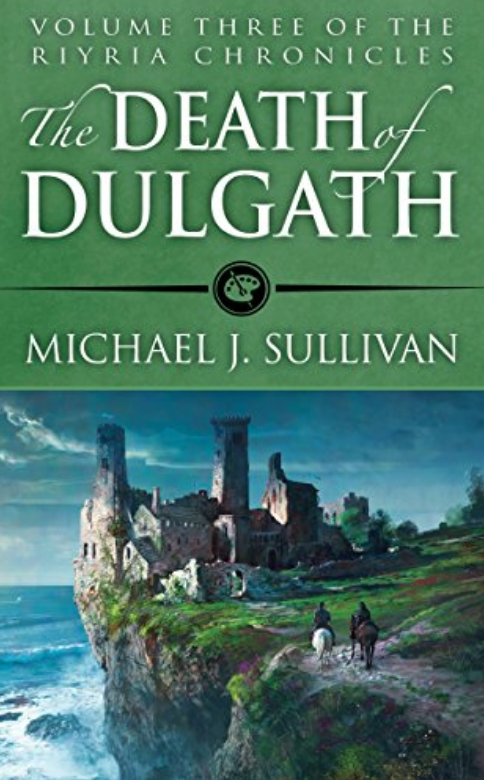
Death of Dulgath*
When I got back from a 2-year LDS mission, my brother Chad introduced me to Michael Sullivan, a self-made author of some pretty great fantasy books which became the first books I’d read in two years that weren’t scriptures or LDS-related. Sullivan decided to try and finance his next book himself, and launched a Kickstarter campaign, which I promptly supported, and now I have my name in a book.
https://www.kickstarter.com/projects/michaeljsullivan/new-riyria-fantasy-novel-the-death-of-dulgath
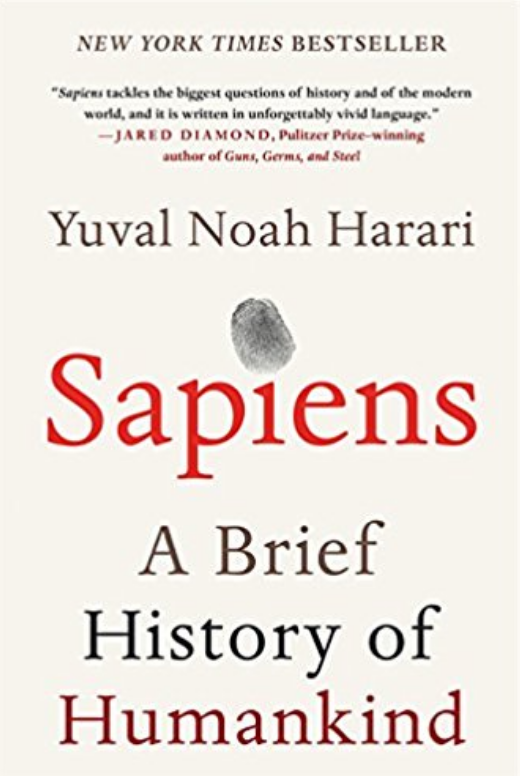
Sapiens*
“The only thing we can try to do is to influence the direction scientists are taking. But since we might soon be able to engineer our desires too, the real question facing us is not ‘What do we want to become?’, but ‘What do we want to want?’ Those who are not spooked by this question probably haven’t given it enough thought.” Many thanks to my friend Erik Hansen for introducing me to this book.
”There are no gods in the universe, no nations, no money, no human rights, no laws, and no justice outside the common imagination of human beings.” ”But nobody realised what was happening. Every generation continued to live like the previous generation, making only small improvements here and there in the way things were done. Paradoxically, a series of ‘improvements’, each of which was meant to make life easier, added up to a millstone around the necks of these farmers.” ”One of history’s few iron laws is that luxuries tend to become necessities and to spawn new obligations.” ”History is something that very few people have been doing while everyone else was ploughing fields and carrying water buckets.” ”It is telling that the first recorded name in history belongs to an accountant, rather than a prophet, a poet or a great conqueror.” ”A person who wishes to influence the decisions of governments, organisations and companies must therefore learn to speak in numbers. Experts do their best to translate even ideas such as ‘poverty’, ‘happiness’ and ‘honesty’ into numbers (‘the poverty line’, ‘subjective well-being levels’, ‘credit rating’).” ”Unjust discrimination often gets worse, not better, with time. Money comes to money, and poverty to poverty. Education comes to education, and ignorance to ignorance.” ”Ever since the French Revolution, people throughout the world have gradually come to see both equality and individual freedom as fundamental values. Yet the two values contradict each other. Equality can be ensured only by curtailing the freedoms of those who are better off. Guaranteeing that every individual will be free to do as he wishes inevitably short-changes equality.” ”Consistency is the playground of dull minds.” ”No sovereign state will be able to overcome global warming on its own.” ”These practices train the mind to focus all its attention on the question, ‘What am I experiencing now?’ rather than on ‘What would I rather be experiencing?’ It is difficult to achieve this state of mind, but not impossible.” ”Unlike physics or economics, history is not a means for making accurate predictions. We study history not to know the future but to widen our horizons, to understand that our present situation is neither natural nor inevitable, and that we consequently have many more possibilities before us than we imagine.” ”The willingness to admit ignorance has made modern science more dynamic, supple and inquisitive than any previous tradition of knowledge. This has hugely expanded our capacity to understand how the world works and our ability to invent new technologies. But it presents us with a serious problem that most of our ancestors did not have to cope with. Our current assumption that we do not know everything, and that even the knowledge we possess is tentative, extends to the shared myths that enable millions of strangers to cooperate effectively.” ”Truth is a poor test for knowledge. The real test is utility. A theory that enables us to do new things constitutes knowledge.” ”The problem in previous eras was not that no one had the idea or knew how to use it. It was that people seldom wanted to extend much credit because they didn’t trust that the future would be better than the present. They generally believed that times past had been better than their own times and that the future would be worse, or at best much the same.” ”Just as the Atlantic slave trade did not stem from hatred towards Africans, so the modern animal industry is not motivated by animosity. Again, it is fuelled by indifference.” ”We are all good consumers. We buy countless products that we don’t really need, and that until yesterday we didn’t know existed. Manufacturers deliberately design short-term goods and invent new and unnecessary models of perfectly satisfactory products that we must purchase in order to stay ‘in’. Shopping has become a favorite pastime.” ”The history of ethics is a sad tale of wonderful ideals that nobody can live up to. Most Christians did not imitate Christ, most Buddhists failed to follow Buddha, and most Confucians would have caused Confucius a temper tantrum.” ”Whether or not something is true doesn’t impact whether you believe it.” ”If economic growth and self-reliance do not make people happier, what’s the benefit of Capitalism? What if it turns out that the subjects of large empires are generally happier than the citizens of independent states and that, for example, Ghanaians were happier under British colonial rule than under their own homegrown dictators? What would that say about the process of decolonisation and the value of national self-determination?” ”A lot of evidence indicates that we are destroying the foundations of human prosperity in an orgy of reckless consumption.” ”We tend to believe that if we could just change our workplace, get married, finish writing that novel, buy a new car or repay the mortgage, we would be on top of the world. Yet when we get what we desire we don’t seem to be any happier. Buying cars and writing novels do not change our biochemistry. They can startle it for a fleeting moment, but it is soon back to its set point.” Animal Farm*
I have a lot of super pessimistic friends. They kept telling me I needed to read 1984, cause…ya know. Trump. I guess. I don’t think he’s coordinated enough to pull off “Big Brother,” but I hadn’t read it before so I figured I’d give it a shot. Amazon gave me a deal, two Orwell books for the price of one. So I read Animal Farm too. Turns out, it’s 1984 with animals.
From the introduction — “These books can be read, independently of their time and place, as a strong preventive medicine against the mentality of servility, and especially against the lethal temptation to exchange freedom for security: a bargain that invariably ends up with the surrender of both.” From the introduction — “while the drive to power and corruption and cruelty is certainly latent in human beings, the instinct for liberty is innate as well.” 1984*
You might read Animal Farm and think it’s pretty aggressive. But it’s the children’s version compared to 1984. More than anything, I was struck with how much I can’t fathom this reality. I can’t see people behaving this way. But maybe that’s the rub, we’re consistently reassured as we’re led carefully down to hell. The party slogan, I think, is the crux of the thing:
“Who controls the past,” ran the Party slogan, “controls the future: who controls the present controls the past.”
What is reality other than something that exists in collective consciences? Yuval Harari makes this same point: everything from money, to limited liability companies, to state lines, it only exists in our collective minds. And if you can control what we base our collective beliefs on, then you control everything.
Referring to the Proles — “They can be granted intellectual liberty because they have no intellect.” Philosophy 101*
I thought that I might like Philosophy. I thought this was a good way to get a good taste. This was an effective summary that left me wanting more. Many thanks to Powell’s City of Books in Portland for exposing me to it.
The Parents Guide to Boys*
On November 3rd, 2016, my wife and I watched some TV. On November 4th, 2016, my wife and I had a son. Funny how little things can make a big difference. Dax Spencer Harrison is my first born child, and a boy. My son. Never stops feeling strange to say.
Speeches That Changed The World*
I read these words by great dreamers, Martin Luther King Jr., John F. Kennedy, others, and I wonder what happened? Did we achieve the greatness we were promised? Or do we still fight the same fights as they did?
Patrick Henry, addressing the Continental Congress, said “I know of no other way of judging the future but by the past.” So what is our past, and what insight does it offer us into our future?
How To Thrive in the Next Economy*
There are a lot of important questions to answer about what the future is going to look like. This book was one I stumbled upon a long time ago, I don’t remember where I got it.
In reference to smart cities, “more data for its own sake will not make a city ‘smart’ if all that computational power is misdirected. On the contrary, it’s likely that high-tech complexificiafion will make things worse. Throughout history, each new transport revolution has proved far more expensive to maintain and operate than was anticipated.” Money trap — https://www.theguardian.com/social-enterprise-network/2013/nov/15/spanish-co-op-workers-occupy-plant The Origins of Creativity*
This was a book that drew my attention, in part as something applicable to a class I took called the History of Creativity and Innovation. Interdisciplinary synergies was one of the things we spent time on. And there was one quote that struck me, and it feels relevant to all types of learning — “Goals achieved lead to further goals, and the quest never ends.”
Side note, two reports that Wilson mentioned that I particularly enjoyed, are Rising Above the Gathering Storm (2007) and The Heart of the Matter (2013)
Many thanks to Book Passage By-The-Bay in Sausalito, CA for exposing me to it.
The Magnolia Story*
The last book I read of 2017. I have always thoroughly enjoyed Fixer Upper, and to hear the stories of how these two people are so genuine, and good, it is inspiring. More than anything, this book reaffirmed that these people are good people. As much as I learned about their story, I learned about business, debt, inspiration, revelation, family, priorities, friendship, and hard work.
“So I finally flipped the switch in my mind. I said, “I have to choose to thrive, even in the pain. Even when it’s tough.”*
The Full List — 34 books
Every book I read in 2017. Covers link through to the bookshelf.
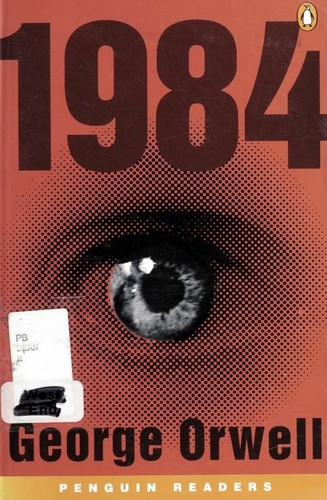 1984 — George Orwell
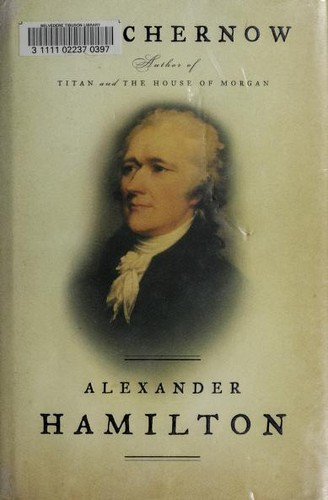 Alexander Hamilton — Ron Chernow
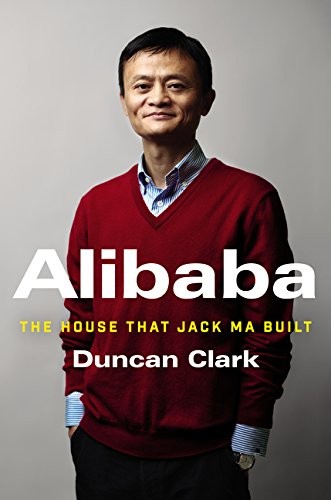 Alibaba: The House That Jack Ma Built — Duncan Clark
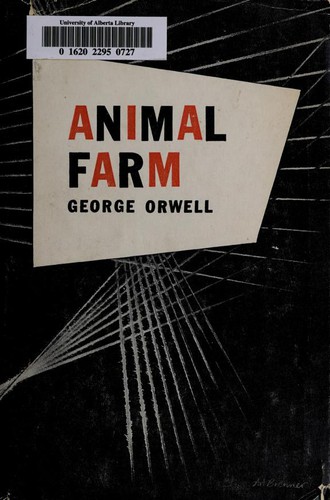 Animal Farm — George Orwell
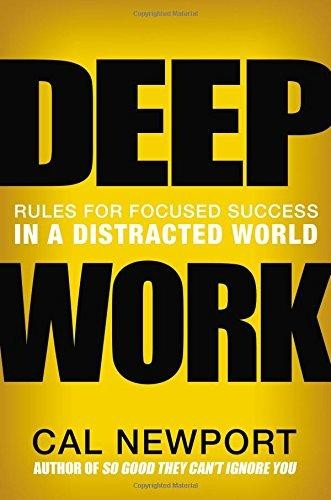 Deep Work — Cal Newport
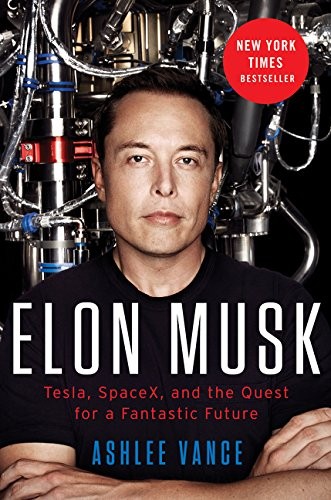 Elon Musk: Tesla, SpaceX, and the Quest for a Fantastic Future — Ashlee Vance
 Essays (Emerson) — Ralph Waldo Emerson
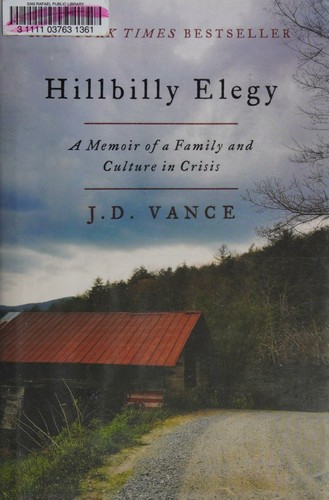 Hillbilly Elegy — J.D. Vance
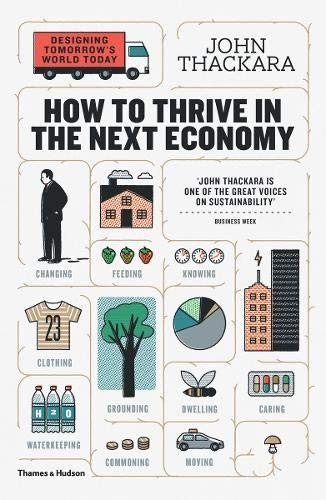 How To Thrive in the Next Economy — John Thackara
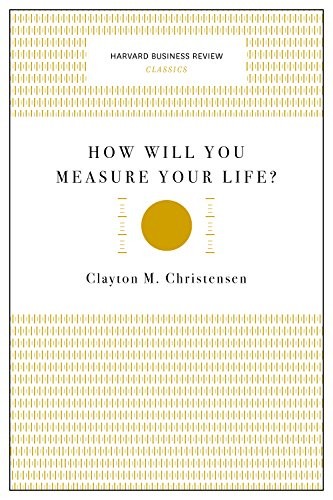 How Will You Measure Your Life? — Clayton M. Christensen
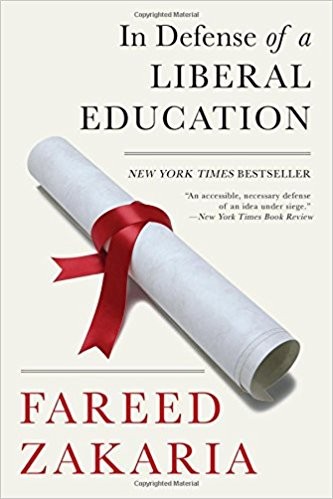 In Defense of a Liberal Education — Fareed Zakaria
- 📕 Islam & The Future of Tolerance — Sam Harris, Maajid Nawaz
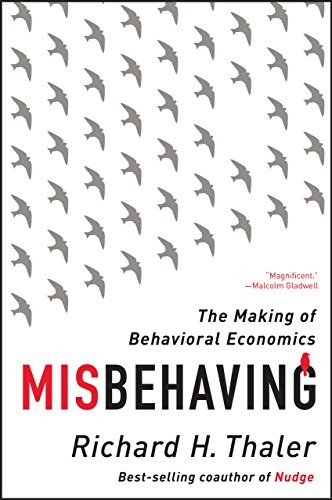 Misbehaving: The Making of Behavioral Economics — Richard H. Thaler
- 📕 Nickel & Dimed — Barbara Ehrenreich
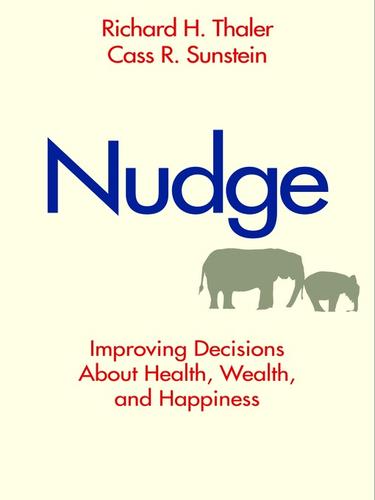 Nudge — Richard H. Thaler, Cass R. Sunstein
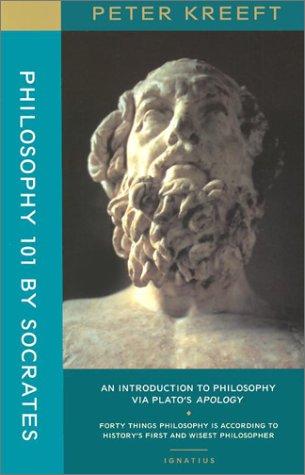 Philosophy 101 By Socrates — Peter Kreeft
 Playing To Win — A.G. Lafley, Roger L. Martin
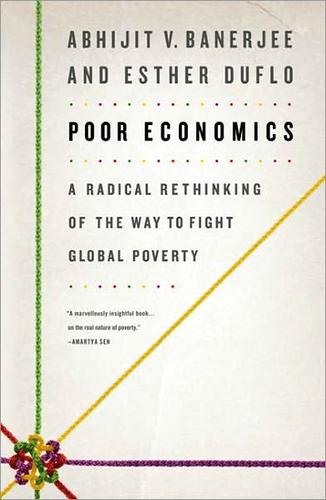 Poor Economics: A Radical Rethinking of The Way To Fight Global Poverty — Abhijit V. Banerjee, Esther Duflo
 Predictably Irrational — Dan Ariely
 Ready Player One — Ernest Cline
 Sapiens — Yuval Noah Harari
 Speeches That Changed The World — Simon Sebag Montefiore
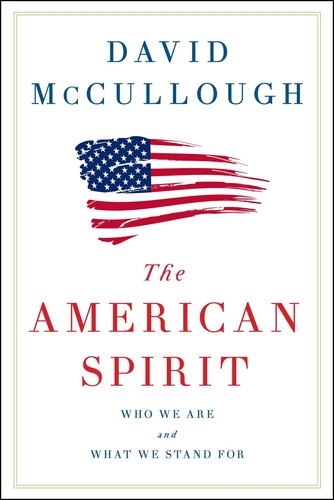 The American Spirit — David McCullough
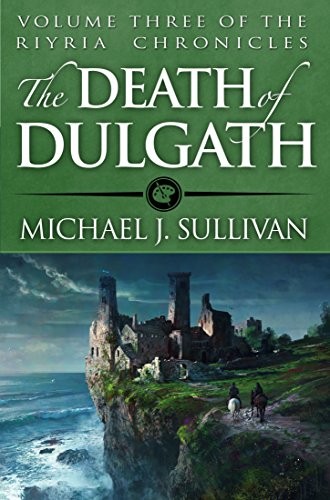 The Death of Dulgath — Michael J. Sullivan
- 📕 The Design of Everyday Things — Don Norman
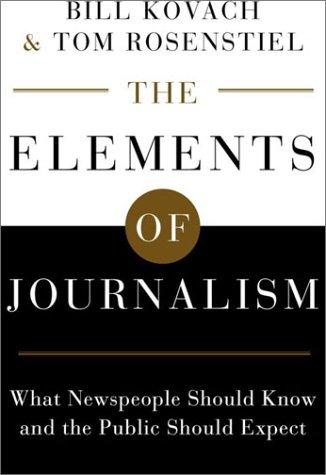 The Elements of Journalism — Bill Kovach, Tom Rosenstiel
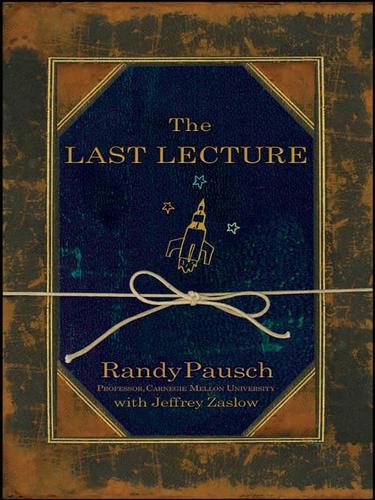 The Last Lecture — Randy Pausch
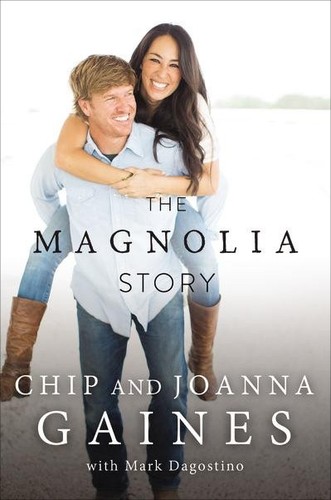 The Magnolia Story — Chip Gaines, Joanna Gaines
 The New New Thing — Michael Lewis
 The Origins of Creativity — Edward O. Wilson
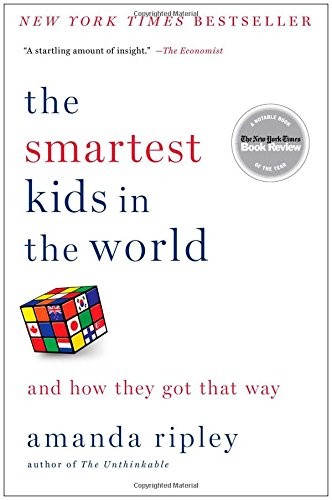 The Smartest Kids in the World — Amanda Ripley
 The Start-Up of You — Reid Hoffman, Ben Casnocha
 What You Should Know About Politics… But Don’t — Jessamyn Conrad
 Winston Churchill’s War Leadership — Martin Gilbert