City Building
The design of human flourishing at scale
What makes cities work as engines of human potential — quality of life, effective services, vibrant culture, economic opportunity, all delivered through competent governance. Includes the study of visionary city projects (Walt Disney's EPCOT, Joseph Smith's Nauvoo, modern New Cities like California Forever), and the question of whether cities can be built intentionally around companies.
Bookmarking to read this weekend. I had a conversation with a friend at dinner last night about the “lack of CA cultural export these days” (in a near-empty Hollywood restaurant that should have been full), apart from AI. So a focus on NYC would be even more interesting…. **Quoting @Cobylefko:** > America's cultural stagnation is New York's fault. > > That's because much of the creative output from the city isn't very good, and it's gotten the rest of the country sick. > > This is as excited as I've been for an essay. Here's to provoking some change! https://t.co/a1E7yjqmjz
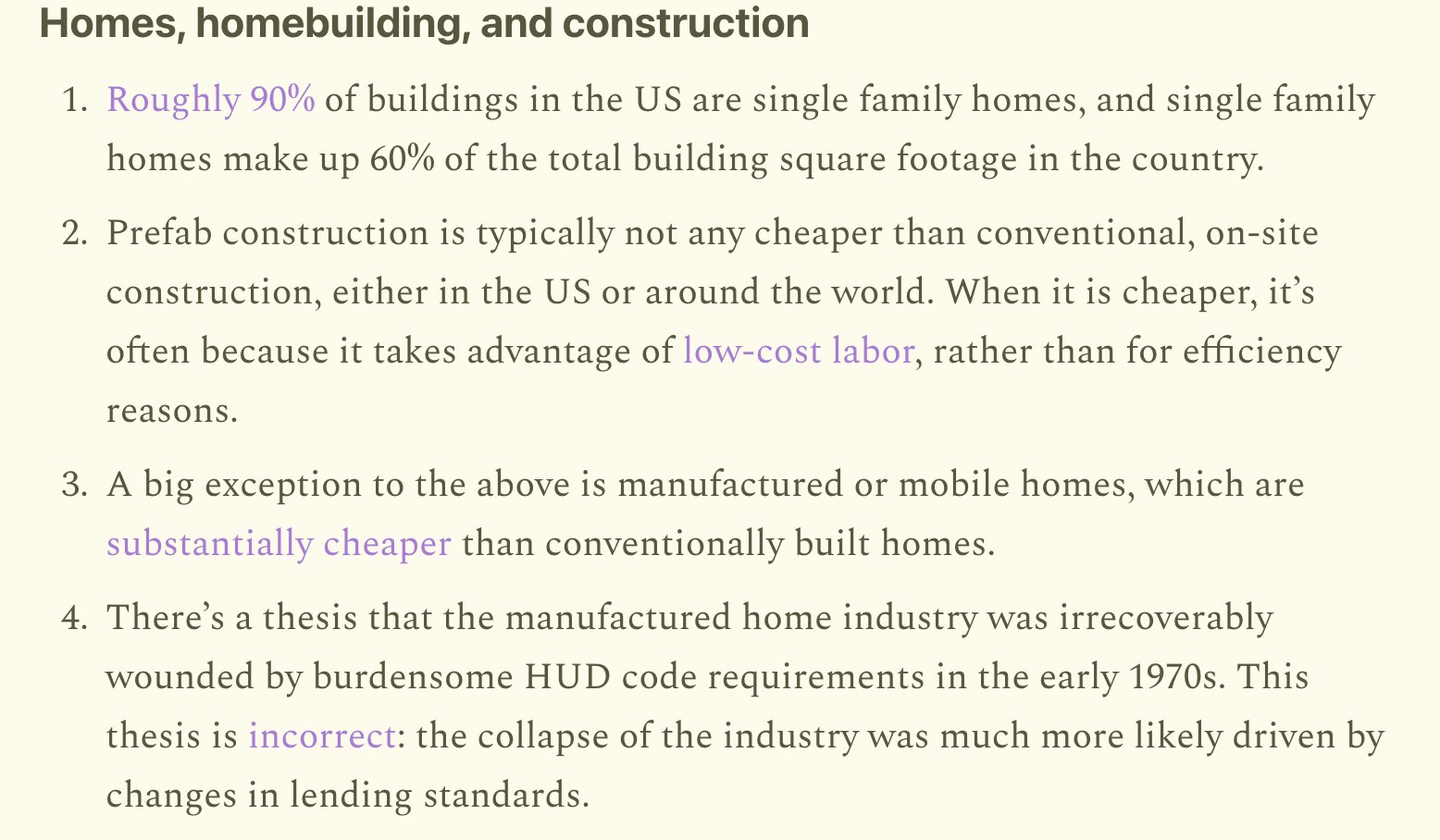
2025-12-03.@_brianpotter: "Prefab construction is typically not any cheaper than conventional, on-site construction....." "Construction has gotten much safer...not only have death and injury rates in construction fallen, but they’ve fallen much more than in agriculture.." https://t.co/C2JSWRuI2h
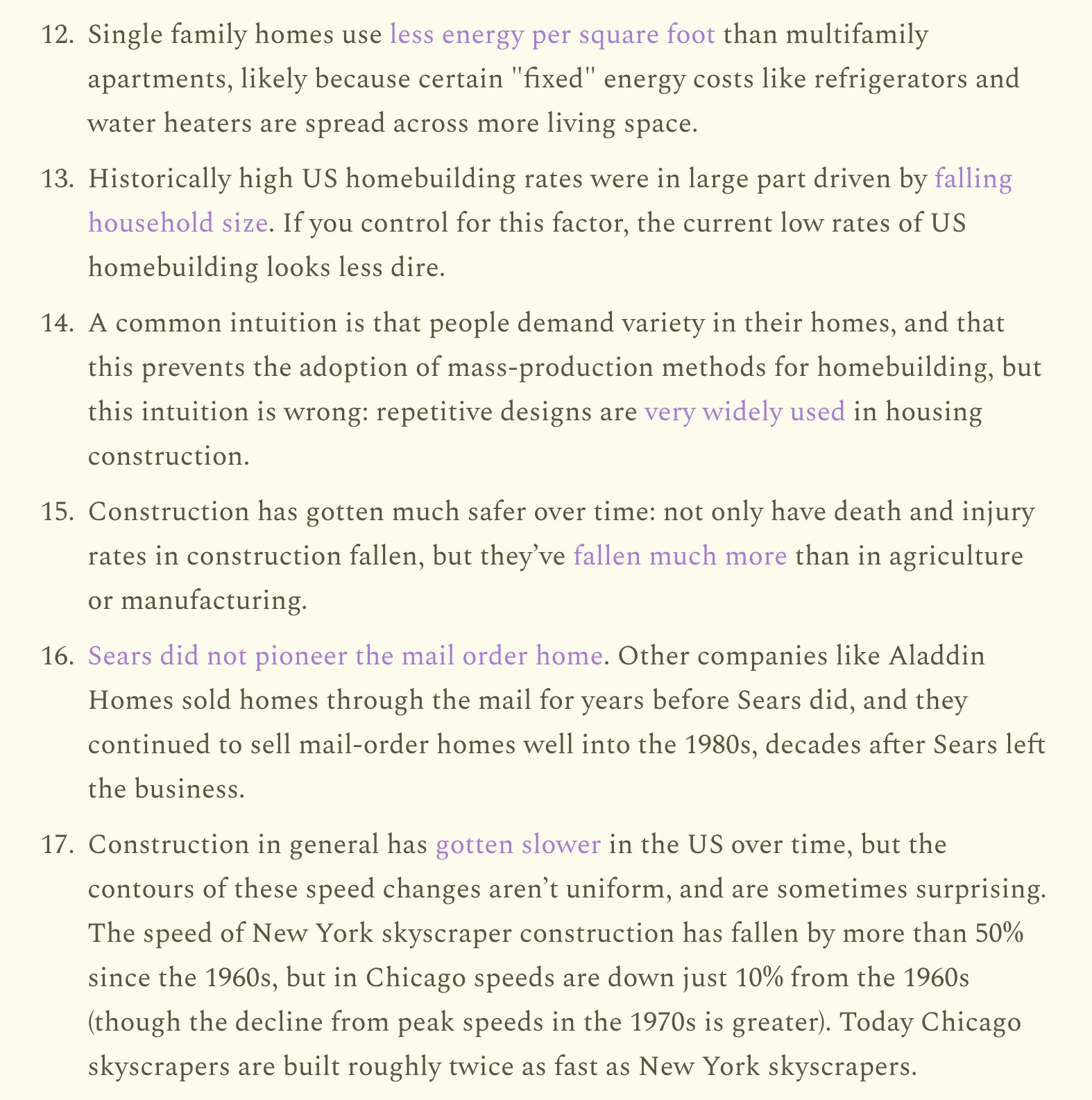
Is there an atlas of interesting experimental towns anywhere? Related: https://t.co/arBGBuJbv9 https://t.co/HUyezCEBB8 https://t.co/FCx1cWvA9Y https://t.co/w7a107gzFo Recurse, and you end up with a zillion examples. It'd be nice to have a map of the extremal points!
Bookmarking to read this weekend. I had a conversation with a friend at dinner last night about the “lack of CA cultural export these days” (in a near-empty Hollywood restaurant that should have been full), apart from AI. So a focus on NYC would be even more interesting…. **Quoting @Cobylefko:** > America's cultural stagnation is New York's fault. > > That's because much of the creative output from the city isn't very good, and it's gotten the rest of the country sick. > > This is as excited as I've been for an essay. Here's to provoking some change! https://t.co/a1E7yjqmjz
2025-12-03.@_brianpotter: "Prefab construction is typically not any cheaper than conventional, on-site construction....." "Construction has gotten much safer...not only have death and injury rates in construction fallen, but they’ve fallen much more than in agriculture.." https://t.co/C2JSWRuI2h
Is there an atlas of interesting experimental towns anywhere? Related: https://t.co/arBGBuJbv9 https://t.co/HUyezCEBB8 https://t.co/FCx1cWvA9Y https://t.co/w7a107gzFo Recurse, and you end up with a zillion examples. It'd be nice to have a map of the extremal points!
Chris Arnade may know more about what the world's cities are like than anyone else alive. So if he says he knows what's wrong with American cities, he's probably right. https://unherd.com/wp-content/themes/UH2023/manifest.json
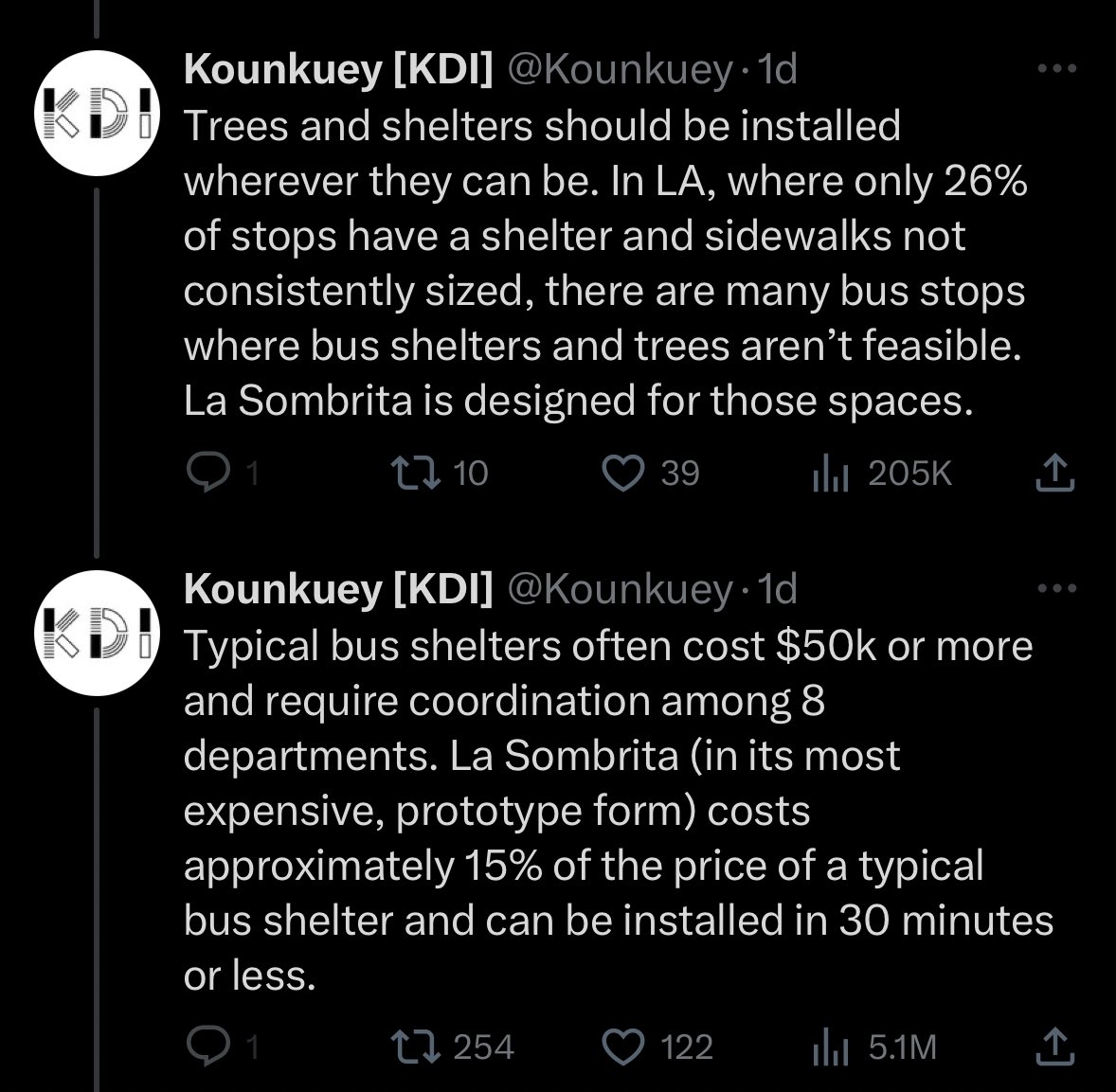
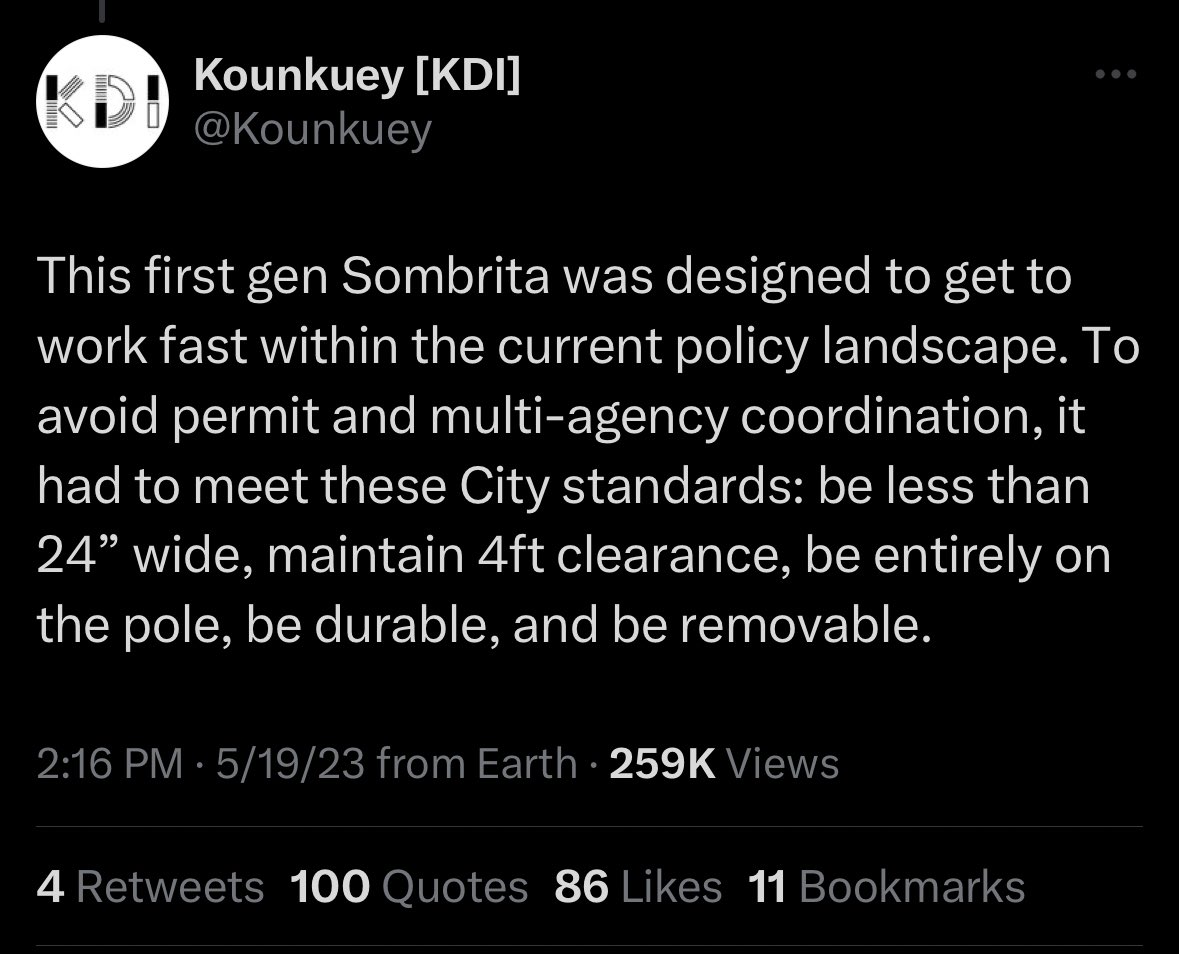
2024-01-17The real reason “La Sombrita” ended up with such an insane design: Normally it takes 8 different departments coordinating and $50k to put up a bus shelter. So La Sombrita was effectively a regulatory hack—designed to get around absolutely dysfunctional organizational structure. https://t.co/UQMOmX1dAH
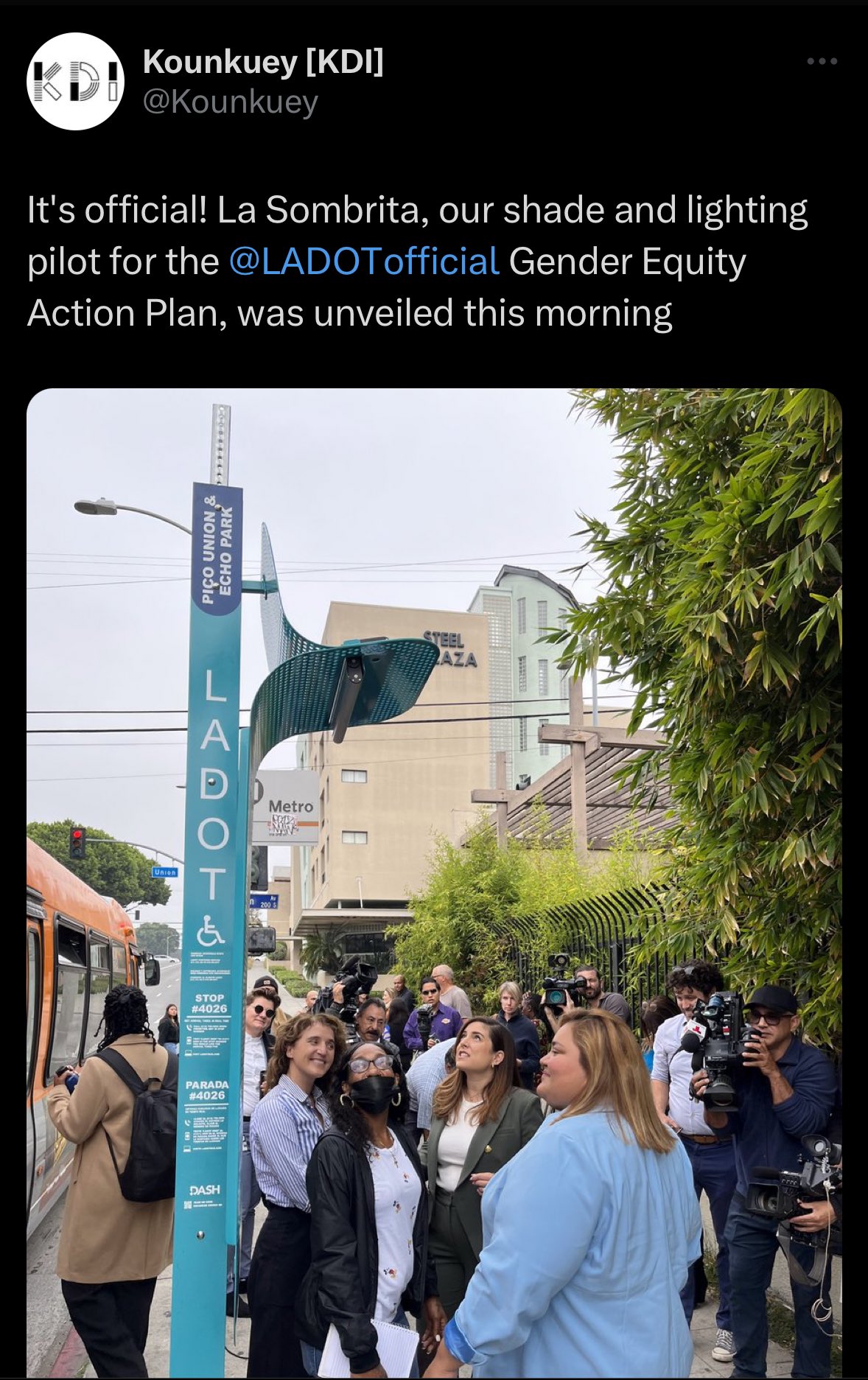
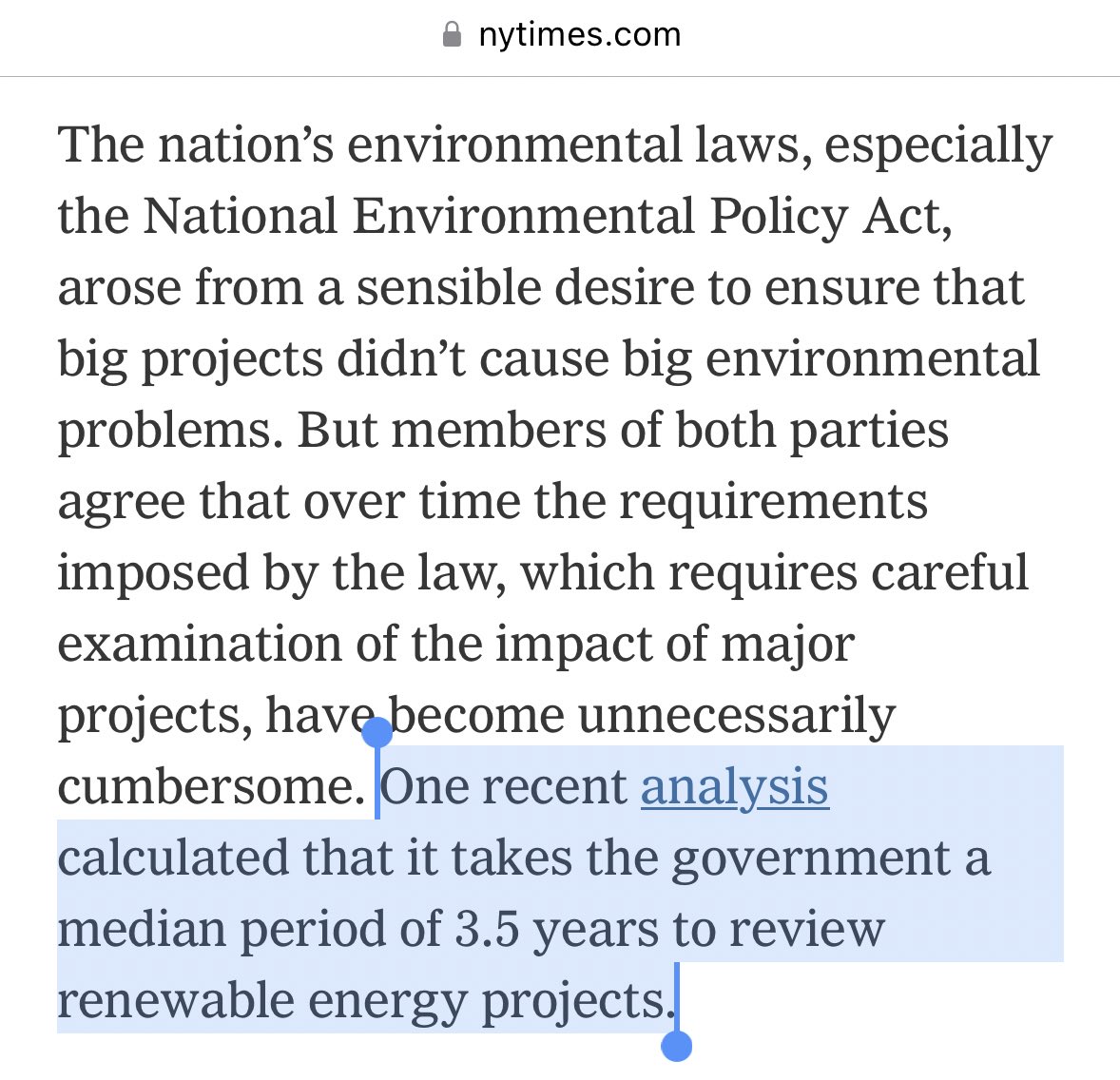
3.5 years just to review a project. Think how much the climate will have changed 3.5 years from now.
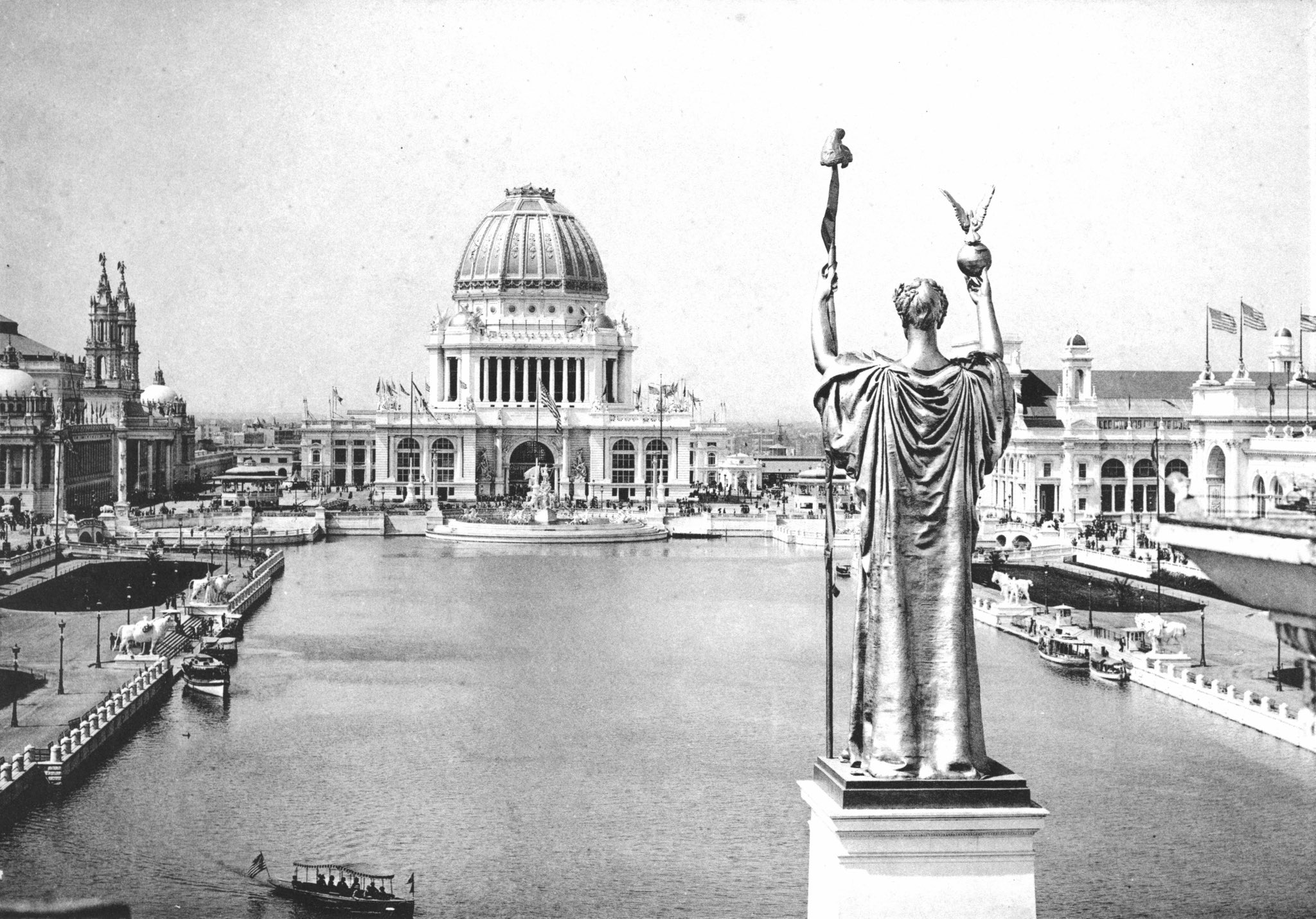
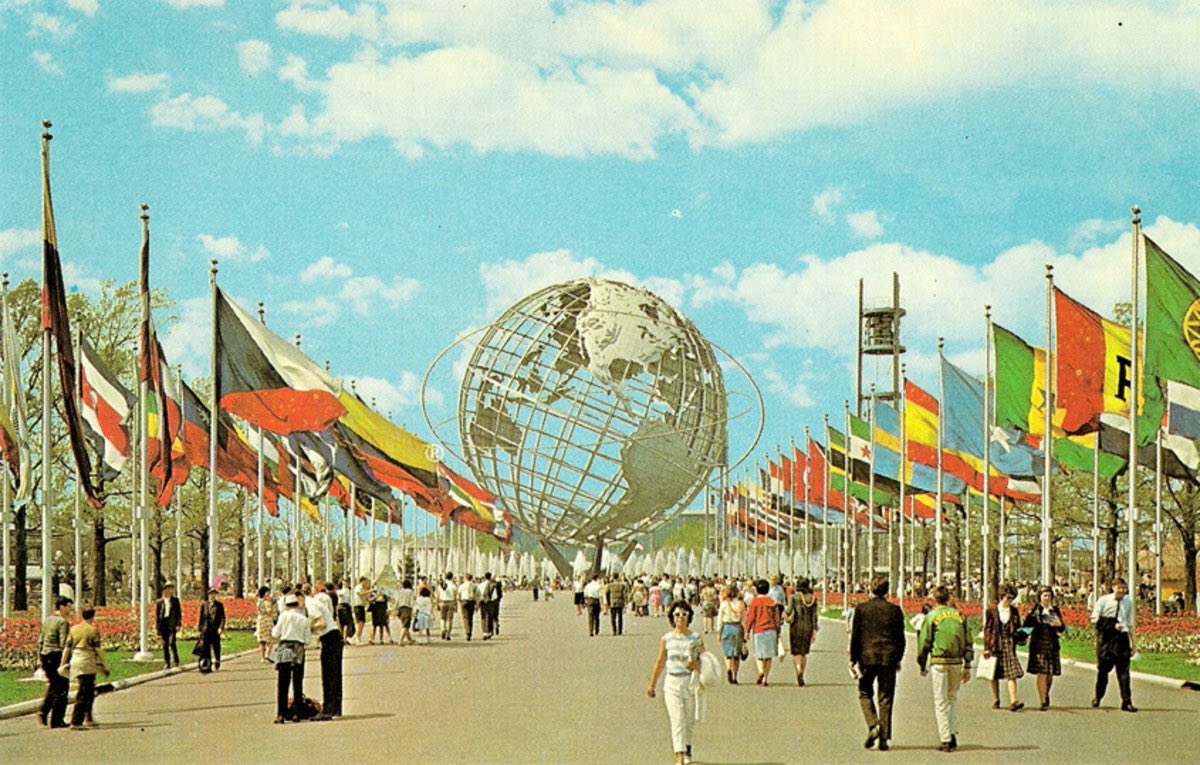
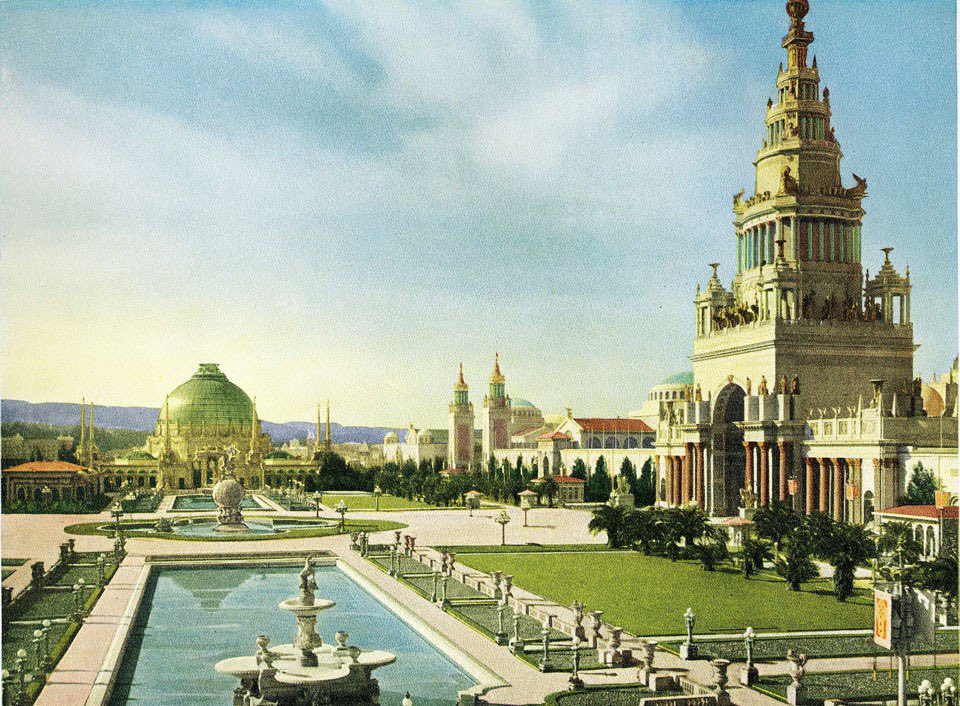
The architecture of World’s Fairs was something to behold. What happened to this spirit of beauty? These fairs guided the future. The historian Neil Harris wrote, “American expositions provided visions of a higher life set amid heavenly landscapes. Enveloping in their scale, their novelty, their string of surprises, they punctuated their decades like giant exclamation marks.” How influential were these fairs? One in four Americans giving the Chicago World’s Fair in 1893, even though the automobile hadn’t been invented. (Source: Disney’s Land) Walt Disney wanted Disneyland to feel like a World’s Fair. He wanted it to be “an exhibition, a playground, a community center, a museum of living facts and a showplace of beauty and magic.” Even the signs and posters at Disneyland echoed the World’s Fair aesthetic.
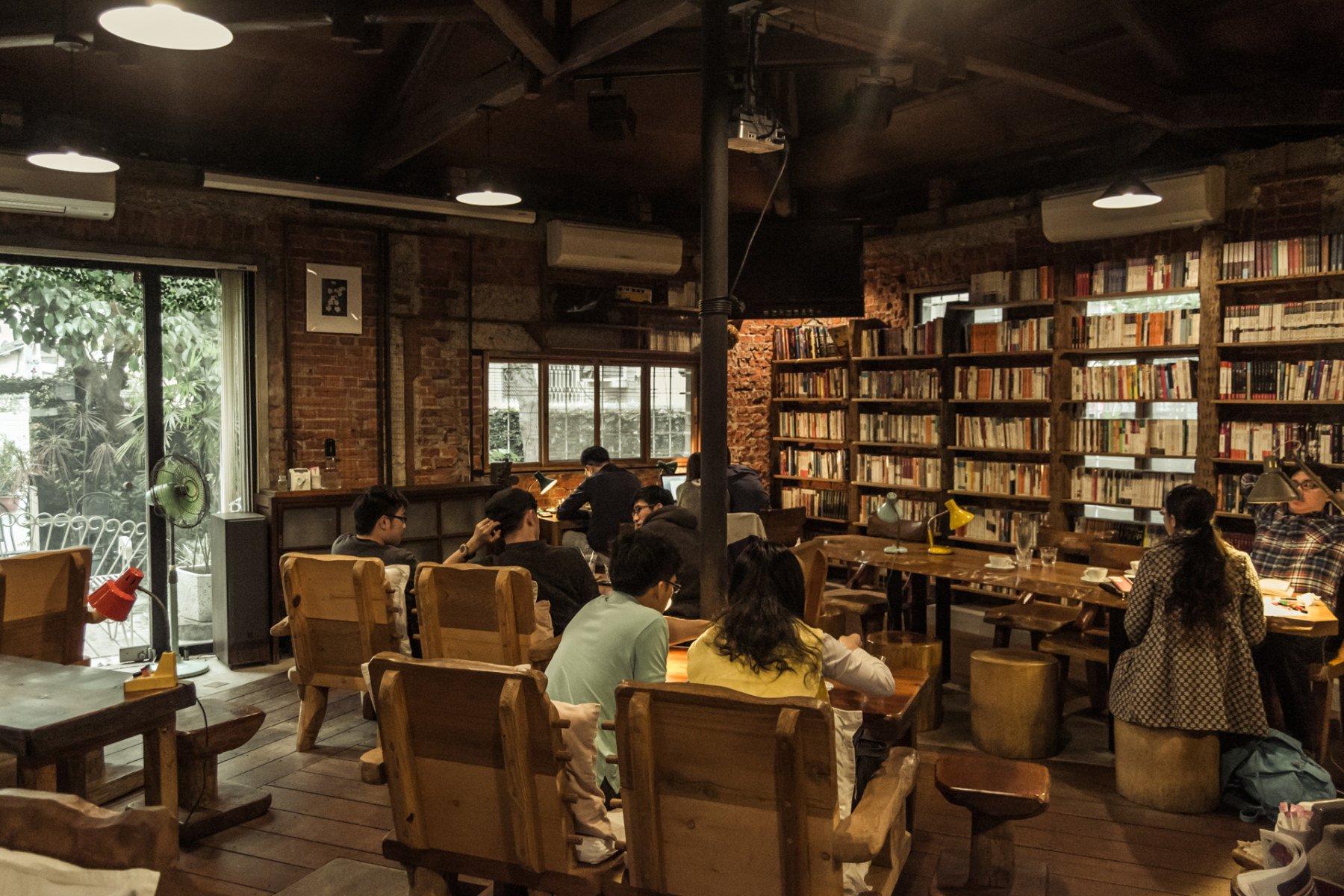
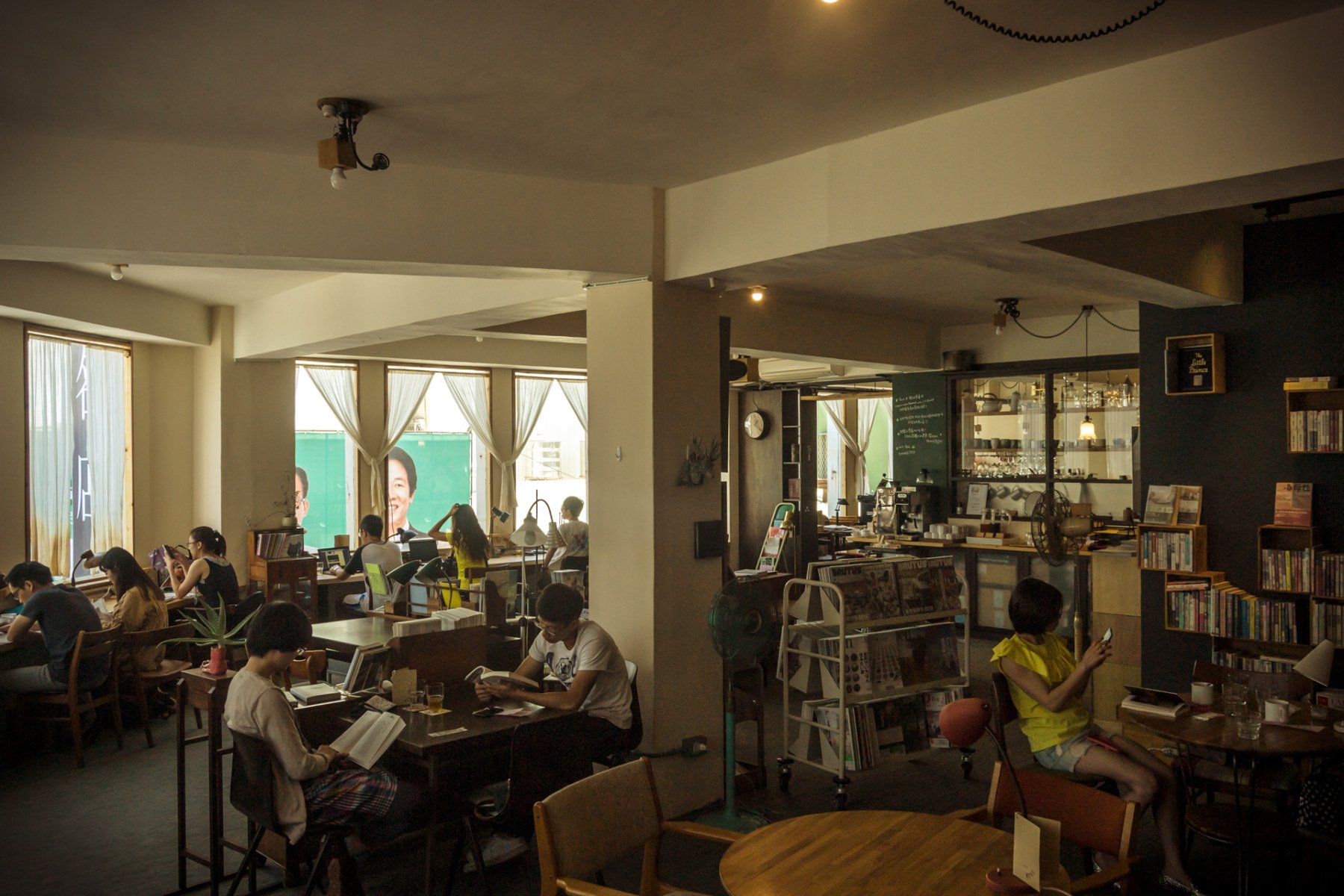
we need more 24 hr cozy cafes my ideal list: - subscription based (!!) & unlimited coffee - non-wework-corporate feel that you can relax in: cozy ambience, warm lighting, wood, low-profile - no lyrics music for focus - in-house library taiwan has many of these is there anyone who's interested in making this 🤭 i actually really wanna build this in the bay area (berkeley or sf) but dunno how finances will work out!! an idea is using a restaurant but turning their space into a late night coworking space when they close also i’m taking a reduced course load this sem ;) and have a lot of time. so dm me if u wanna make this happen
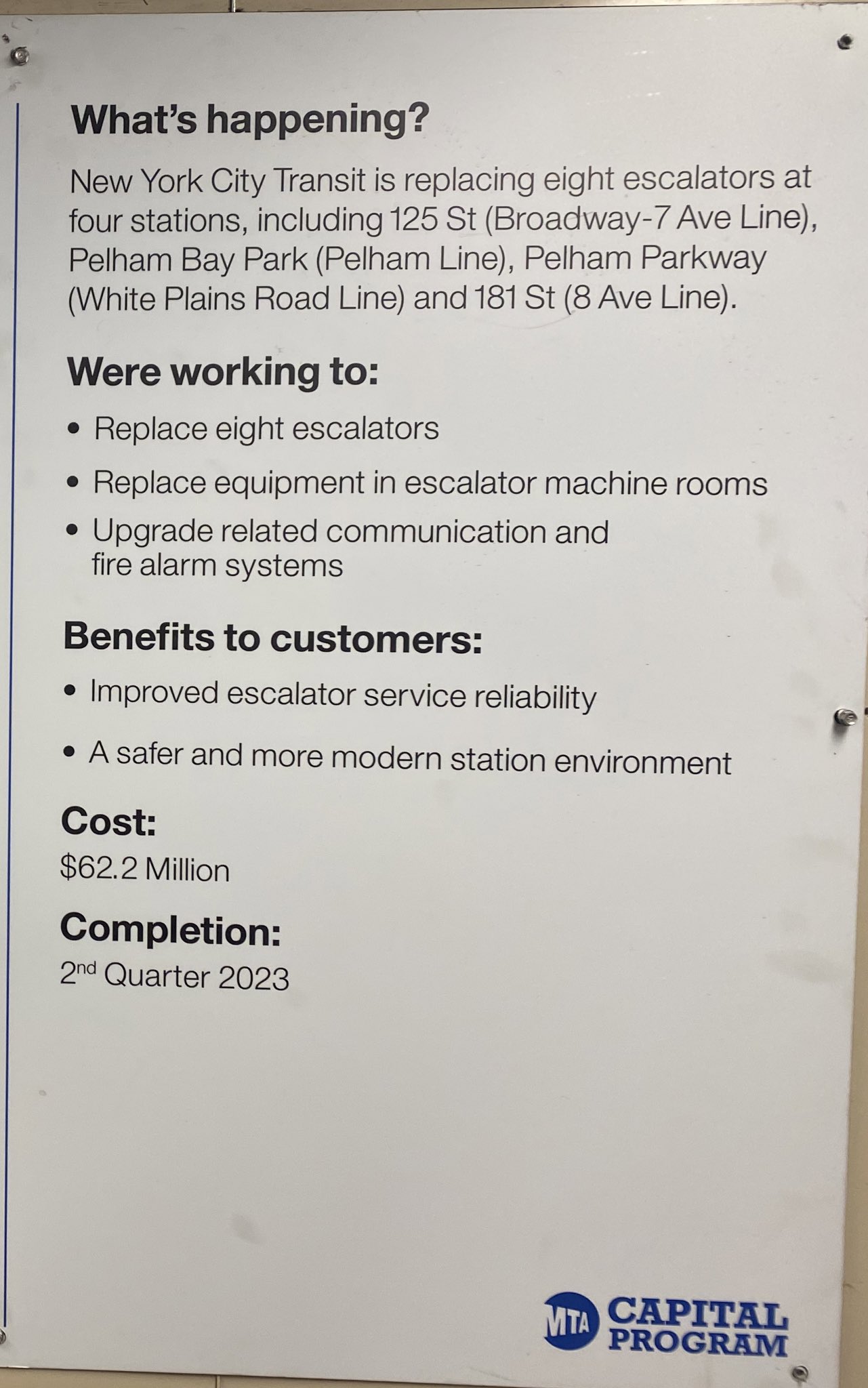
NYC is replacing eight escalators and upgrading fire alarms, and it's going to cost $62 million. That's about 1/13 of what it cost in today's dollars to build the entire Hoover Dam. https://t.co/sDcaV9J8DP The project is supposed to be done 2nd quarter of 2023. So it's going to take about as long to replace 8 escalators as it took to build the Empire State Building.
I’m a little obsessed with experiments launched by obscure, remote towns to repopulate their cities. This story, from the Isle of Rum in Scotland, is a treat: https://t.co/VuFbHpmKrC Tired: bootstrapping your own village with the homies Wired: Repopulating a remote Scottish island with the homies https://t.co/VuFbHpmKrC
Jan 15, 2022If You Want To Start a New City, Start With a Killer K-12 School.
Eventually someone is going to bundle together all the best CBCs, add guidance counseling and other services on top, & find a great location where we can deliver them all in person It'll be the university reinvented but radically more cost-effective & impactful
Oct 21, 2021Interesting post. But I don't think there's any point in going for the US national government. It is on track to notch world-historical defeats on both economic and military matters. Capturing it is catching a falling knife. Instead, focus on DAOs and startup cities worldwide. **Quoting @Dominic2306:** > I blogged on how to at least try to avoid a Trump sequel, cc @sullydish @davidshor @RichardHanania @paulg @sama @balajis > https://t.co/pBh2a3ildm
2021-10-0227 high school seniors in my community will graduate today. Only 1 has plans to stay locally and work. It cost $2.75 million dollars to educate this class for 12 years (about $220,000 per head) which was payed for disproportionately by local businesses. What a waste. And these kids are graduating with ZERO Skill sets that are useful for local businesses. If any have useful skill sets, it was learned OUTSIDE the class room.
May 29, 20211 of 15: It has been hard to convey, through anecdotes or data, how bizarre the U.S. housing market has become. For example, a Bethesda, Maryland homebuyer working with @Redfin included in her written offer a pledge to name her first-born child after the seller. She lost. 2 of 15: There are now more Realtors than listings. 3 of 15: Inventory is down 37% year over year to a record low. The typical home sells in 17 days, a record low. Home prices are up a record amount, 24% year over year, to a record high. And still homes sell on average for 1.7% higher than the asking price, another record. 4 of 15: But in two of America’s largest cities, inventory has increased, in New York by 28%, in San Francisco by 77%. San Francisco hasn’t had an inventory increase this large since 2008. And still in both markets, prices are increasing. 5 of 15: In 2020, new-construction permits were *down* 13% in DC and New York, 40% in LA, 48% in Chicago, 50% in Seattle, 79% in San Francisco. Permits were *up* 25% in Miami, 56% in Vegas, 96% in Greenville, 122% in Detroit, 246% in Knoxville. 6 of 15: Lumber prices are up 300%. 7 of 15: In Redfin’s annual survey of nearly 2,000 homebuyers, 63% reported having bid on a home they hadn’t seen in person. 8 of 15: In an April survey of 600 https://t.co/TdSyBabxvH users who had relocated in the past year, about two thirds of the people who moved got a house the same size or bigger, but about the same proportion, two thirds, spent the same or *less* on housing. 9 of 15: Even though most of the people who moved got a bigger home, 78% reported having the same or more disposable income after their move. Idaho home prices could triple and still seem affordable to a Californian. 10 of 15: For low-tax states, 4 people move in for every 1 who leaves. For Texas, this ratio is 5:1; for Florida, 7:1. Cites & states have no leverage to raise taxes, after many promised new money for social justice; the federal government will have to fund long-term investments. 11 of 15: This migration to lower-cost areas may lead to lower workforce participation. For many families @Redfin has relocated, the money saved on housing costs lets one parent stop working. A wave of Redfin customers are retiring early. 12 of 15: Lenders are calling employers to confirm that the homebuyer will have permission to work remotely when the pandemic ends. Rates are lower for loans on primary residences, and the lender also wants to make sure the borrower actually plans to work after getting the loan. 13 of 15: The average housing budget for out-of-towners moving to Nashville was $720K, ~50% higher than locals’ $485K budget. It used to be coastal elites who worried that every adult in the family had to win a career lottery, just to afford a home. Now that feeling may spread. 14 of 15: it’s not just income that’s k-shaped, but mobility. 90% of people earning $100,000+ per year expect to be able to work virtually, compared to 10% of those earning $40,000 or less per year. The folks who need low-cost housing the most have the least flexibility to move. 15 of 15: an investor recently said, with an ancient touch of awe but also greed, that one source of America’s miraculous economic recovery was the bounty of “the land itself.” We have more room to grow than we ever imagined. We just have to make sure that benefits everyone.
May 25, 2021it's time to build more 3rd spaces: homes outside of home 🏠 Places of refuge, where people can eat, relax, and commune in order to develop a sense of belonging to a place Gathering places where community is most alive and people are most themselves 🧵of cozy 3rd spaces 👇 https://t.co/oXTh4heZDr 1) 📚☕️ Bookstore-café’s in Asia. A combo of 2 traditional places—a bookstore and a café shop. Many studies have pointed out that the Chinese version of the bookstore-café is one of the most important recreational sites for the youth in China’s urban communities. https://t.co/reZIcjPX0y 2) 🇫🇷 The French Cafe. The sidewalk café emerged 500 yrs ago with the world’s 1st coffeehouses in Saudi Arabia. Today, Paris has thousands of sidewalk cafés, or an incredible “1 café to every 50 people.” It's said that a french cafe is “2/3 atmosphere and 1/3 matter.” https://t.co/gKqA5daI8y 3) 🛁 Bathhouses & hot springs. Some of the earliest descriptions of western bathing practices came from Greece, creating the foundation for modern spa procedures. In Japan, the 1st mention of hot springs is referenced in the Nihon Shoki, written in the 1st century. https://t.co/Df8Ar5YAp9 4) 🍻 German-American Lager Beer Gardens. When Germans came to America, they brought with them their beer gardens. They believed at the base of a viable community life, lay informal socializing. Inclusiveness was central to the coveted atmosphere of the lager beer garden. https://t.co/SI5o4WIFzV 5) 🌇 Main Street. In many small cities in America, the heart of the community was always along a 6-7 block radius called Main Street. However from 1973+, the shopping mall began to replace Main Street as the core of community belonging in America. https://t.co/ok6UKefyqJ 6) 🏋️♂️ Chinese Urban Parks or “Senior Playgrounds” The most common demographic in Chinese parks are large groups of elderly pensioners. Morning crowds of elderly people flock to public parks for their daily exercise routine, including dancing, Qiqong or even light gymnastics. https://t.co/rz9hBWWNYC 7) 🕯The English Pub For virtually every English man and woman, a pub exists close by. Every pub-goer has his or her local and every pub is someone’s local Built to human scale, pub are intimate, cozy settings, designed for an immediate neighborhood over a horde of transients. https://t.co/VNFMNbaQGw 8) 🍵 The Asian Tea House. Tea houses first popped up during 265-316 AD & became a fixture in Chinese/Japanese society. While old staples exist - like the Pujiang Tea Garden in Chengdu or Kantoku-tei Teahouse in Tokyo - modern renditions like HeyTea are evolving for youth. https://t.co/907LXZELQg 9) ☕️ Classic Coffeehouses They say that Coffee spurs the intellect; alcohol the emotions. Vienna was the site of some of the 1st coffeehouses in Europe. Today, it serves as the major social center for Viennese life. In 1650, a Jewish man opened the 1st coffeehouse in Oxford https://t.co/QJtbI6TV3o for more on 3rd spaces: https://t.co/witu8vvgE2
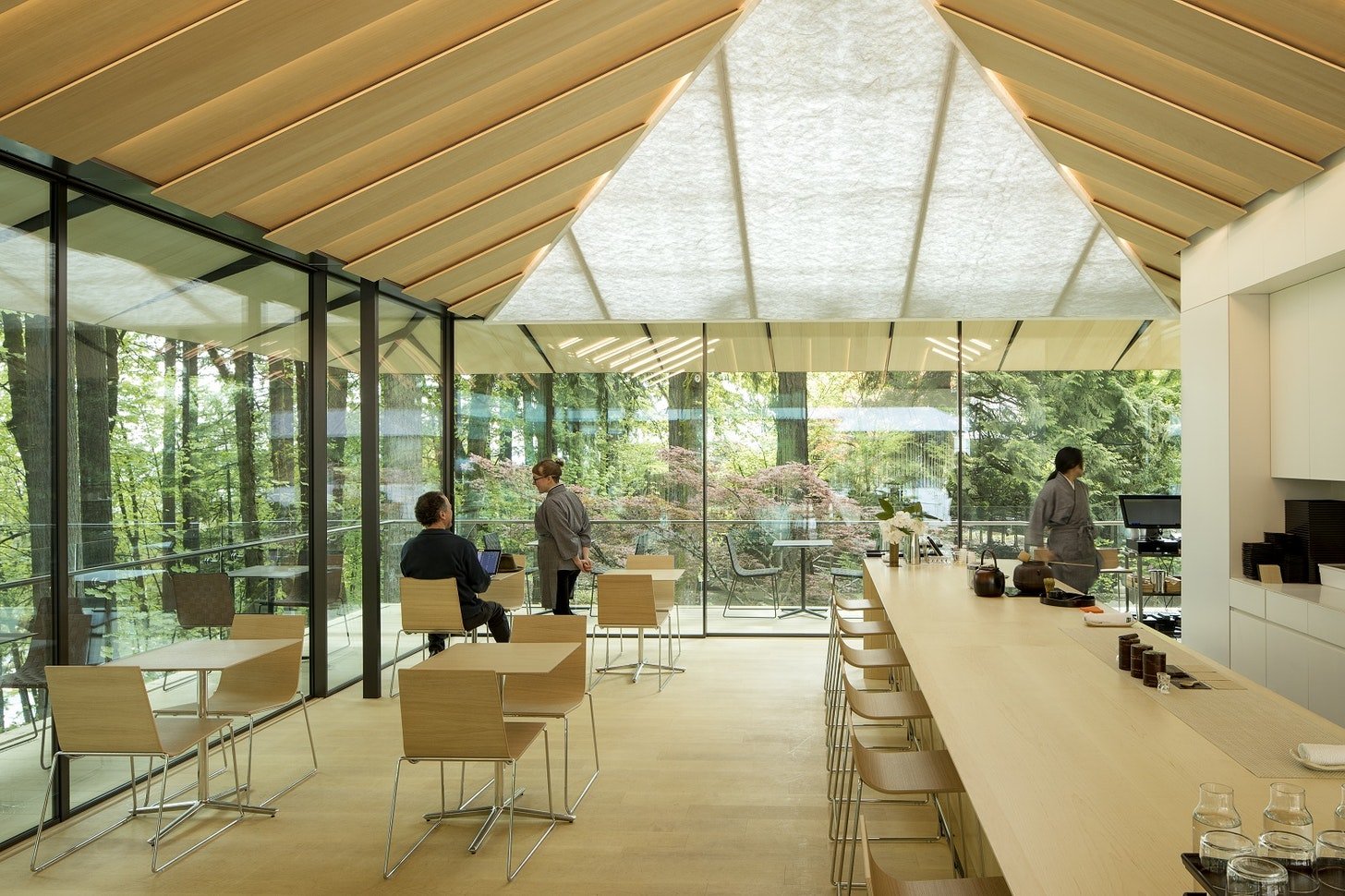
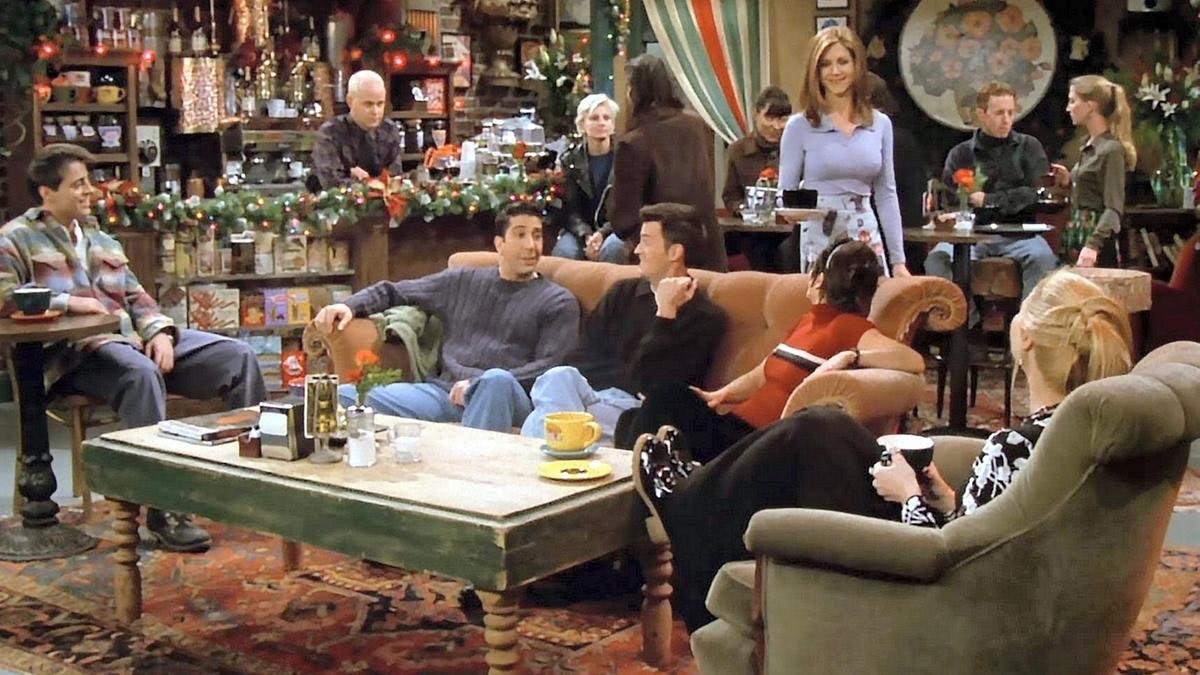
Announcement! My new work focus is... I'm building a town for creators. Not from scratch, but by growing a historic town near Austin. Year 1 projects include: New housing, a coworking cafe, boutique hotel & more. I don't think I've ever been so excited to work on something 😃 A few asks: If that sounds cool, follow me for updates! If you know anyone working on anything remotely similar, please tag them or DM me. If you have any interest in investing, DM me for investor info & updates. Can't wait to share more details soon 🎉
Jan 21, 2021 Original deleted — preserved here0/ In the strange weird world that is 2020, there has been one bright spot: Community. I'm part of a several lovely communities that have gotten stronger as a result of COVID restrictions. A quick 🧵on what I've learned about building community this year. 1/ Relationship strength is a function of 3 drivers: frequency, intensity and shared values. When building a community from scratch, ensure that you set out to shape these from the get-go 2/ Frequency: How do you get beyond a single dinner or call? Ensure a regular cadence that offers people predictability, and therefore multiple chances to build relationships with others in the community 3/ Intensity: How do you build intensity between strangers? Create commitment hurdles to ensure people have a little skin in the game. This ensures they put in a little more effort than if it's just a random meetup. 4/ Shared Values: Have a clear idea of what types of folks you want to bring into the community, and select your membership accordingly 5/ Finally - logistics! Lower the bar on logistics so that the focus can be on relationship building; don't make it too intimidating for folks to attend or participate. 6/ For a longer discussion on community, check out the blog post. https://t.co/568qTk2cGT
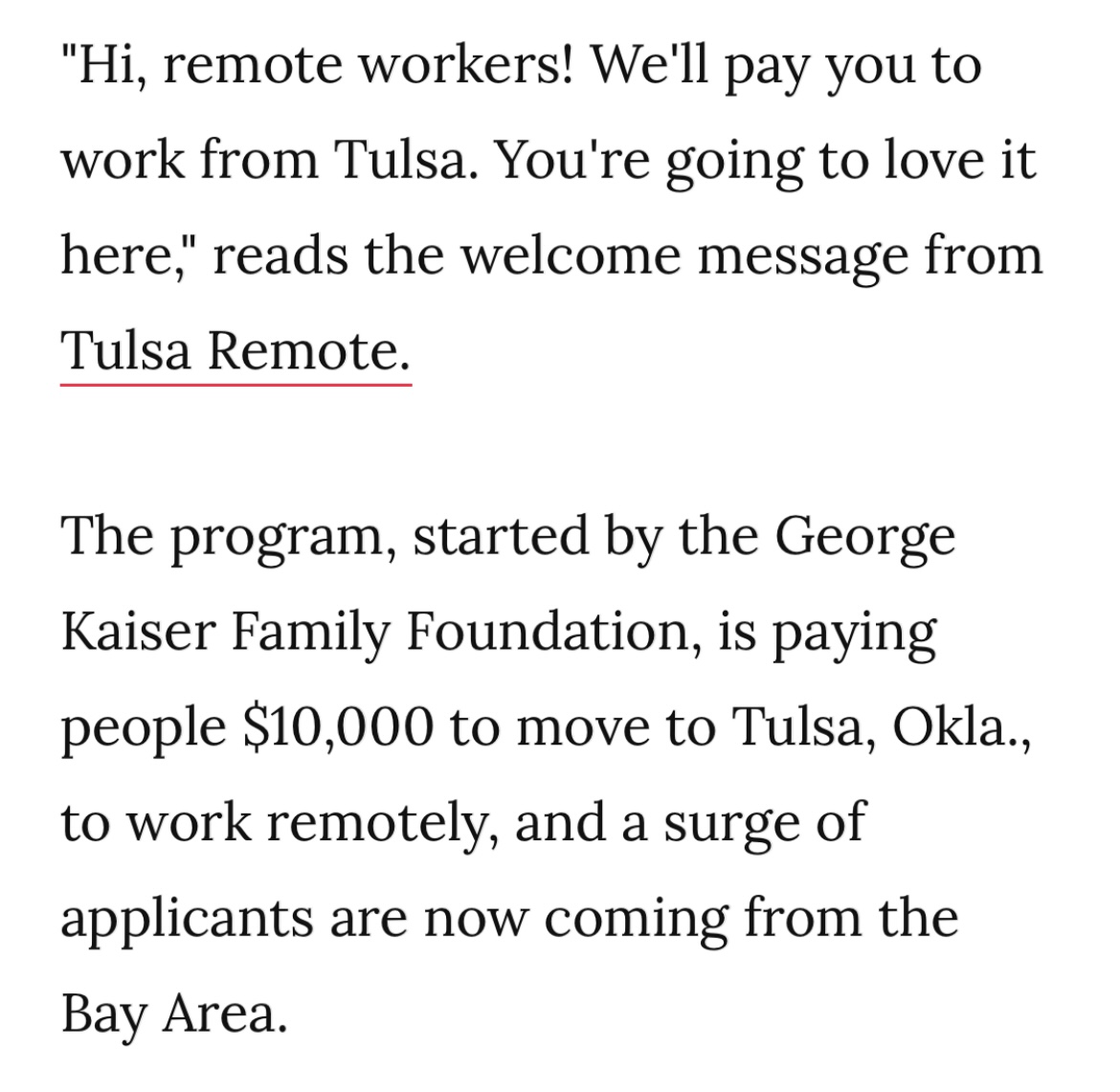
Dec 9, 2020 Original deleted — preserved hereStates should set up programs like this more often. $10k CAC for a new resident, 5% in income taxes = $5k/yr? At a two year payback period. Add in sales and other taxes + spend and it’s <2 yrs. If new residents don’t churn and move immediately it’s a no brainer. https://t.co/ztiLUewiC9
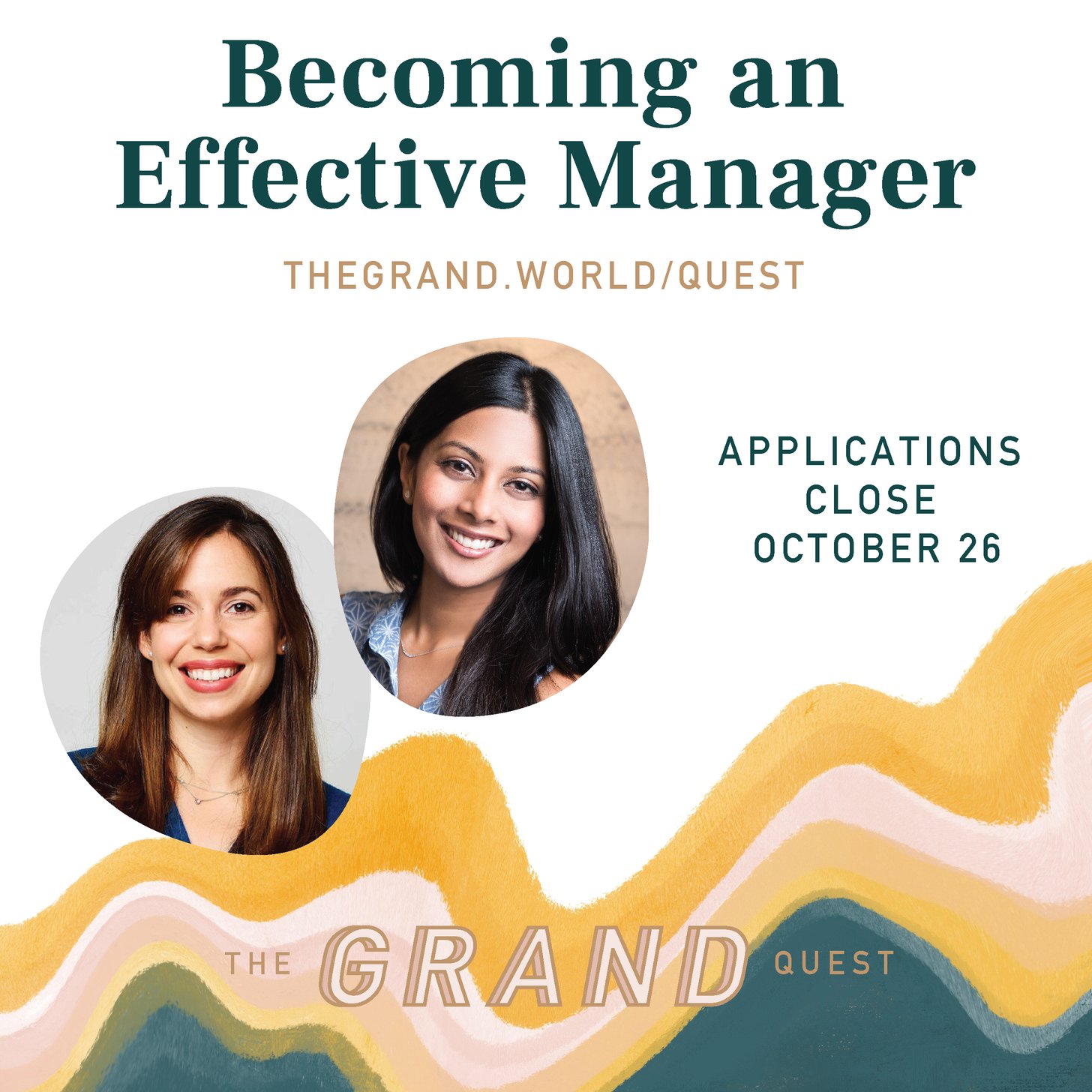
I often get asked about how to build authentic communities. There is no silver bullet, but one thing we deeply believe in is fostering a true sense of belonging. That's how we design @TheGrandWorld Quest and we'd love for you to experience it: https://t.co/WQRBzzzCJJ https://t.co/7powfH4tcD At the Grand we focus on: 1) Designing an environment that fosters belonging * Provide a consistent time and structure * Curate groups around shared experiences 2)Teach behaviors that foster belonging * Practice empathetic listening https://t.co/9OntsPgheL I'm excited to dig into this topic more today with @wear_wardrobe on this panel featuring leaders from @Facebook, @bulletin_co and more. Join us! https://t.co/RiHMc71fQo
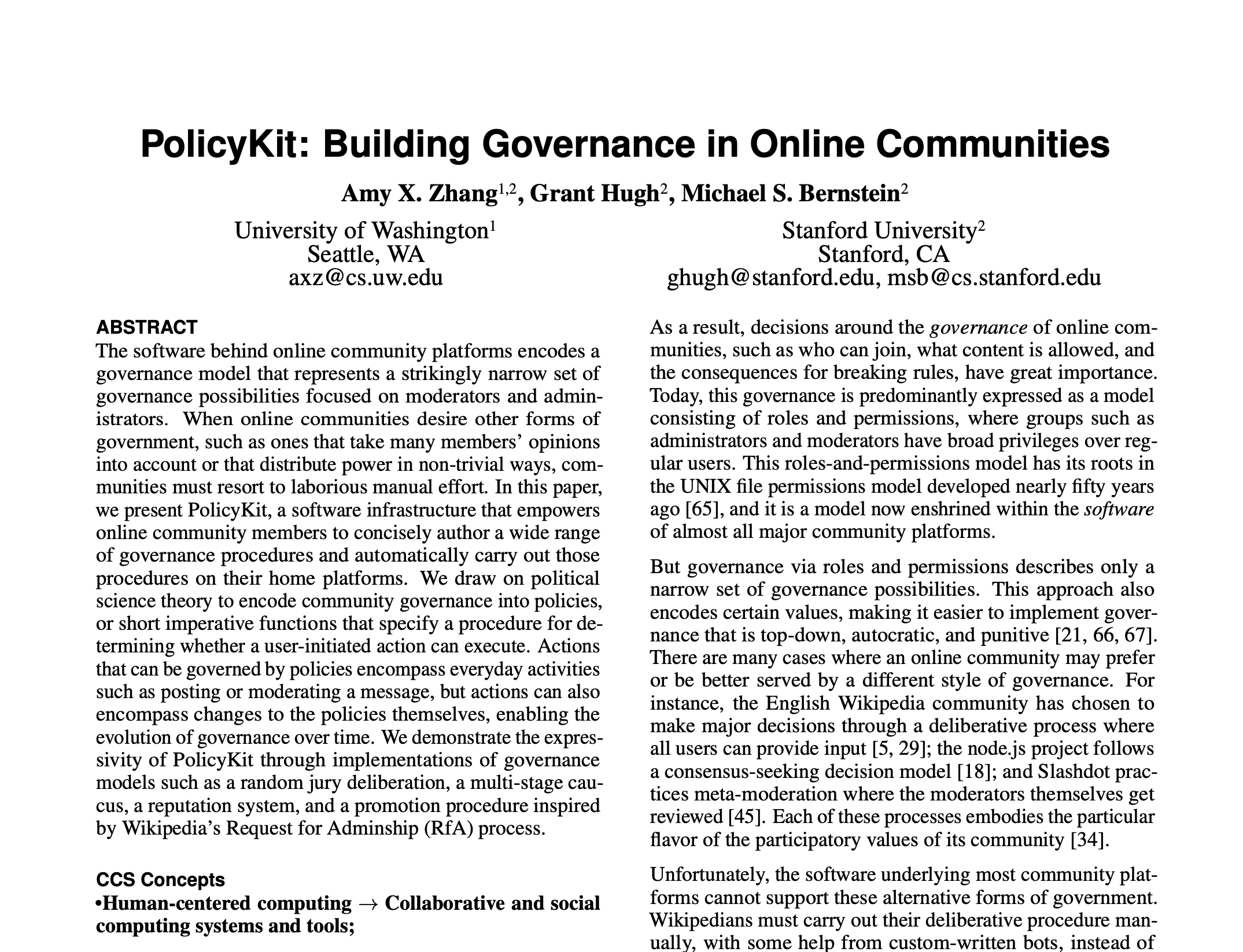
Fascinating Ostrom-inspired framing for online community governance, replacing monolithic permissions (“admins can hide threads”) with richer policies that can be proposed & evolved by the community (eg “threads reported by 10 long-term users are hidden until a jury can vote...”) https://t.co/6azzLG8qYK (Incidentally, @msbernst’s group consistently does some of my favorite work in academic HCI; definitely follow their work if you’re not already!) One other thing I dig about this paper is that it’s prototyped on top of existing platforms (Reddit, Slack) via APIs. Many researchers would have made a freestanding demo social network instead: it would be easier in various ways. But it would be disconnected from serious use.
✈️Retreat Destinations: Global hubs will pop-up that cater to remote teams getaways Resort-like escapes with a deep focus on team building, collaboration, planning, and efficiency. Hotels with facilitators /coaches who assist teams for the duration 🚜 Rural Living: World-class people will move to smaller cities, have a lower cost of living & higher quality of life These regions must innovate quickly to attract that wealth. Better schools, faster internet connections are a must 👨👩👧👦Community Led SaaS: as no-code continues to grow, tech is barely a barrier Communities become the most important most a company has
Oct 18, 2020 Original deleted — preserved hereSpanish immersion homeschool is now activated! Virtual school did not work for 4 and 6 year-olds. 3 weeks deep diving into mountains of curriculums. Now off to write a long blog post on microschools @Jason Let me know if you want access to my detailed notion site. https://t.co/dmDaUWxaAO
Oct 3, 2020 Original deleted — preserved hereLast summer @charliecallinan and I flew to Africa to figure out how to build a city. We had no zero connections, but we networked our way into the upper echelons of multiple African governments, eventually meeting the Vice President of Ghana. Here’s how: In March ’19, we were working together at a hedge fund in NYC. We’d both just left athletics & school to learn how to invest I did surf contests and philosophy. Charlie played football at Boston College and was briefly signed to the @BuffaloBills https://t.co/mj8yLXkS5P We both love public markets investing — savage research, quick turnaround times, and deep thought. But we missed the physicality of sports and wanted an adventure. We wanted to build something on the frontier. We wanted to do something heroic. I had followed @paulmromer, @patrissimo, and the @Seasteading movement since high school, and was obsessed with the idea of building a new city. Over beers, Charlie and I cooked up a plan. We saw the opportunity cost of living in SF & NYC falling due to a loss of community, poor city management, broken infrastructure, and the rise of the cloud labor market. But the timing wasn’t yet right for the city we wanted to build. The market for a @balajis -style exit was still small. We decided to find existing new city projects and learn the nuts and bolts of the industry. In April 2019, we left our jobs at the fund to build the next great city. May - July was maniacal research mode: we read every book we could find on ancient, modern, and future cities. We met with all the top master planned community developers (e.g. Howard Hughes, Tavistock, Brookfield, etc.) Then we spoke to all the awesome people interested in cities in SV: @MarkLutter and @_TamaraWinter (formerly) at @CCIdotCity, @mwiyas, @iaboyeji, @patrissimo, @William_Blake, @micsolana, @ani_pai, @jasoncrawford, and many more. In July, we became convinced that Nigeria was the best market in the world for a new city. A couple projects like @EkoAtlantic were already being built, but given the population growth, there’s room for more (@iaboyeji 👀). Unfortunately, we couldn’t afford the flights. That weekend, Charlie won $2,000 at a golf tournament, taking our bank balance to $2,047. A few days later, @CCI gave us a small grant, so we bought tickets to Nigeria. We packed our bags with a few sites in mind (thanks Google Earth) and no connections. Before we left, two more amazing things happened: 1. After cold emailing hundred of people for intros to awesome people in Nigeria, a DC think tank connected me to @ThisisChale, and 2. I met @alex_dimcevski at a YC Summer School networking party (more on this later). In August, we flew to Lagos. It’s a wild place. Way more chaotic than anything you'll see in the US or EU. Nearly 3x the population of NYC buzzing around streets on motorbikes. @ThisisChale was an amazing host. He took us to one of Nigeria’s private religious towns, Grailland, and to Ondo State. We met with top developers in Lagos like @ronaldchagoury, thanks to an absurd number of cold calls, cold emails, and LinkedIn messages. https://t.co/AxWO1bGT7d I can’t share too much here, but we had a compelling thesis for a new city near Charles’ university, Elizade. There, we met the crew: @SFAjayi, John, Ralph, and many others. We scoped out potential new city sites while eating jollof and catfish. Charles got us a meeting with the Ondo State Government. It went well. https://t.co/NQ6Xjwb8Jl Meanwhile, @alex_dimcevski from the party had told a few people about my project. One of them worked on construction projects in Ghana. He heard we were meeting with the Nigerian govt about building a new city, and offered to connect us to his friends in the Ghanaian govt. After a few weeks in Nigeria, Charlie had to go home. I wanted to go to Ghana to see if Alex's friends' connections were real. With our last thousand dollars, I flew to Ghana for a meeting with a friend of a friend of a person I’d met once over cocktails. I was hoping I wouldn't be kidnapped. When I landed in Ghana, I met Alex’s connection’s friends: Ed and Joyce. They did in fact work for Ghana, and are both brilliant. Ed, Joyce, and I drove around Ghana, touring sites and pitching their colleagues in government on the concept of building a charter city. The trip yielded two interesting new city opportunities, so I flew home extremely energized and ready to dig in further. Back in NYC, Charlie and I bounced around coffee shops and hotel lobbies (for free wifi) trying to figure out how to make our dream of city-building into a reality. Charlie was crashing at his parents’ place and I was sleeping on my aunt’s couch. In early September we spec’d out an initial plan for building and financing a new city in West Africa. We needed to get back ASAP to meet with governments, but we were out of money again. I cold DM’d @byrnehobart because I liked his posts (subscribe here: https://t.co/hTJlKqnqKa). We got coffee, I told him about our mission @bluebookcities, and he wrote us our first check. Newly funded, we flew back to Africa. Based on the success of our previous meetings, we’d been offered a meeting with the Finance Minister. We landed in Accra a few days before the meeting. The day of, he cancelled. We called all of our new connections in the Ghanaian government and discovered that the President of South Africa had flown in for an urgent meeting, which took precedence over ours (what?!). So we found ourselves walking around Accra in full suits, and nothing to do, unsure if we’d get another opportunity to meet the Minister. An hour later, we got a call. “Be in front of the Parliament building in 20 minutes. You are meeting with the Vice President.” We jogged there and waited. A few minutes later, we heard the sirens -- The motorcade was on the way. We got picked up by the Presidential Motorcade, and sped to the Jubilee House (Ghana’s White House), swerving around cars that were slow to get out of our way. When we got out of the sedan, we were still processing what had just happened and what was to come. The Secret Service brought us into the building, and we waited in a clean, white room. Eventually we were brought up to Vice President Bawumia’s office. I can’t share much about our conversation with the Vice President, but he was enthusiastic about the benefits that charter cities could bring to Ghana, and about our plan. After finding a site, meeting with developers, local community leaders, the relevant regulators, and potential partners in other financial centers (Dubai, Abu Dhabi, Nairobi, Dar, etc.), we flew back to the US. We raised a small round from @patrissimo, @tylercowen, @jwmares, @sbm367, @dfmerin and a few others to develop legislation that would enable the creation of a charter city in Ghana. Then, COVID happened. Ghana shut its borders in February, and we had no idea when we’d be allowed back in the country. We had limited runway and hadn’t budgeted for a year-long delay in our timeline due to a global pandemic. We weren’t sure what to do. So we did what we thought made the most sense: We booked a flight to Alaska. We’d plan our next move from the mountains. But that’s a story for another day. https://t.co/FM97ar0br9
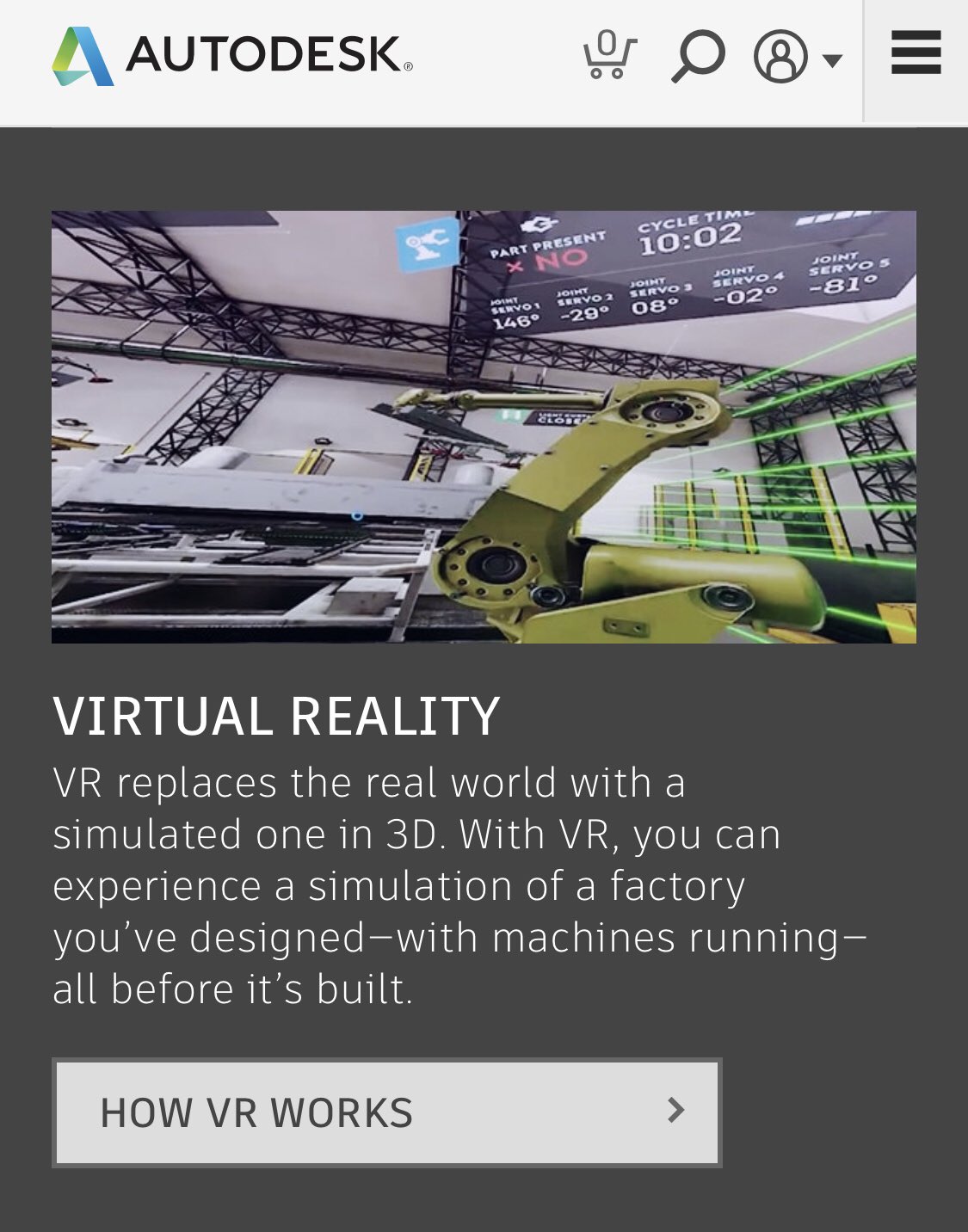
Sep 23, 2020 Original deleted — preserved hereIt’s easier to start a new town than to reform San Francisco. Build a digital community of hundreds of thousands of people. Simulate the architecture in VR. Do a dry run of governance and culture online. Then crowdfund land and build it from scratch.

WSJ cites Zuck saying an internal survey at Facebook drew conclusion 40% of employees would take a remote work option. Some of that 40% may want to stay in Bay Area and just not deal w/ that brutal commute, but a huge chunk wants to exit Bay Area at large: https://www.wsj.com/articles/remote-work-is-reshaping-san-francisco-as-tech-workers-flee-and-rents-fall-11597413602 **Links in the tweet:** `https://t.co/4lkM5Y2r5i` → https://www.wsj.com/articles/remote-work-is-reshaping-san-francisco-as-tech-workers-flee-and-rents-fall-11597413602
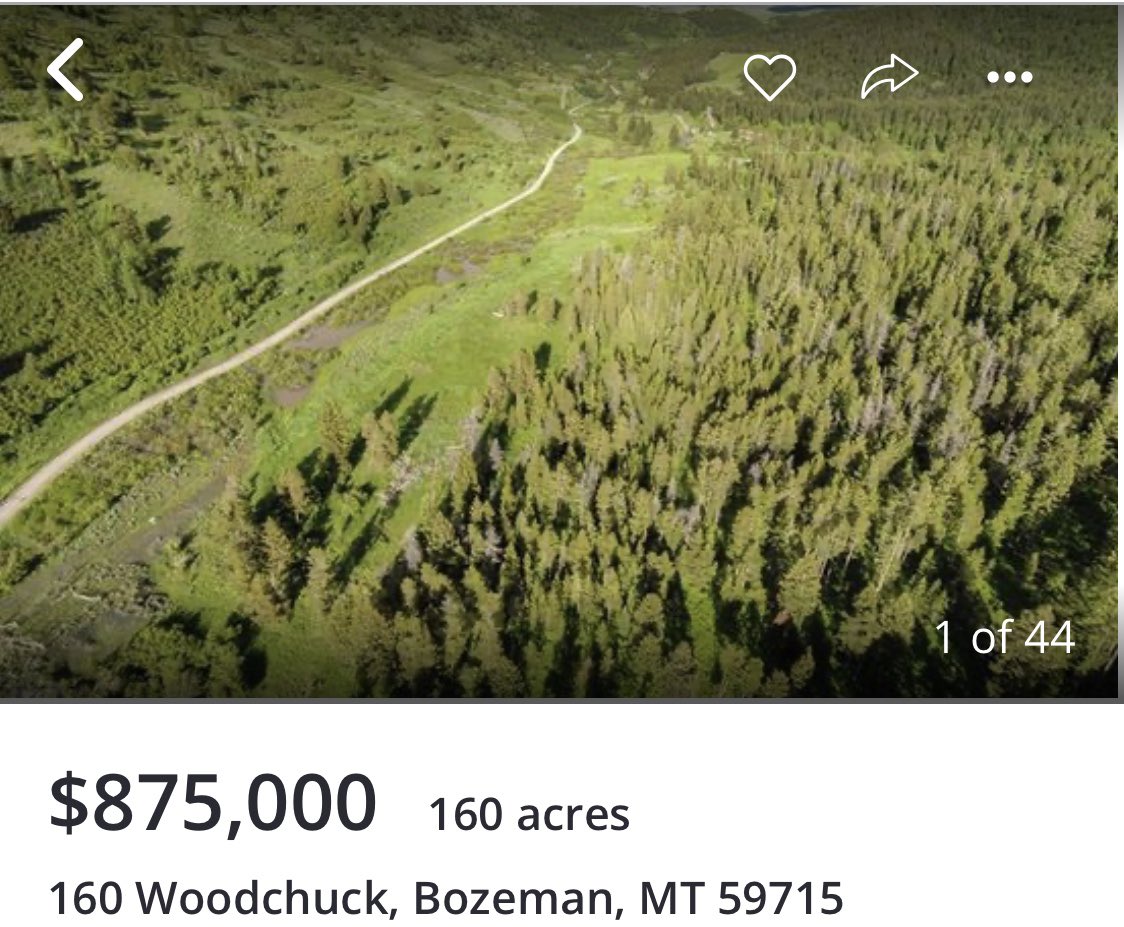
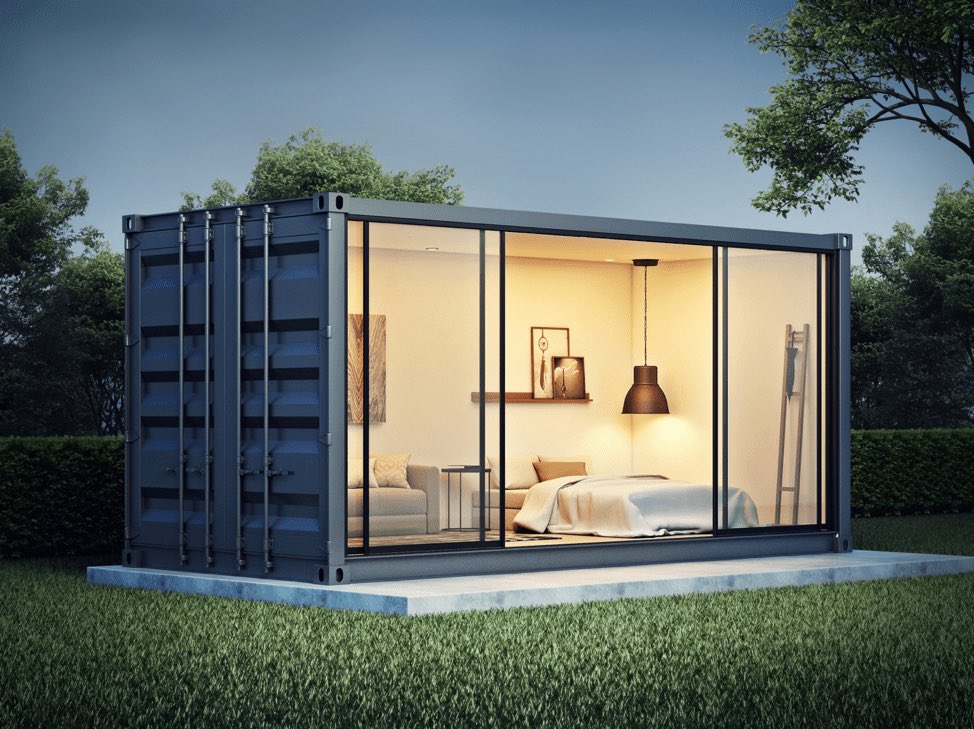
Aug 16, 2020Who wants to move to Montana and build a next-gen community of builders? We can buy a ton of beautiful land for less than the cost of a condo in SF and outfit it with a neighborhood of modular shipping container homes. High-tech community of makers in paradise for dirt cheap. https://t.co/GWBnODGg1L **Links in this post** (t.co shortlinks resolved 2026-09-28): - `https://t.co/GWBnODGg1L` → https://x.com/mckaywrigley/status/1292540339815817216
Thread: so I’m fascinated by people making new cities. So, I’m staying with a new buddy who’s doing that: making a new town/village. It’s called Powder Mountain. Ryan here is one of the guys who bought it. He was in his 20s when he bought it. They presold houses to fund it. https://t.co/7f5Vr1nO8g **Links in this post** (t.co shortlinks resolved 2026-09-28): - `https://t.co/7f5Vr1nO8g` → https://x.com/thesamparr/status/1290033581679509506

What replaces all this brick-and-mortar retail, especially mega malls? Do huge bowling alleys and theater complexes become more viable as rents drop due to oversupply? Housing? Parking? Would love to hear how real estate folks are thinking about it. https://t.co/i8JVr0shQ5
Jul 5, 2020🚜 Rural Living: World-class people will move to smaller cities, have a lower cost of living & higher quality of life These regions must innovate quickly to attract that wealth. Better schools, faster internet connections are a must **Kyle's note on the capture:** *:*
Jul 5, 2020We’re actively investing in charter cities and enabling technology for new cities @bedrock , having closed our first investment in this important emerging area this week.
Jul 2, 2020Would someone connected to Cotton's office like to send his people my theoretical remapping of the US as 100 citystates? https://t.co/yIKrUcq0pu https://t.co/WWXqZnKOfd ### Quoting Frank Thorp V (@frankthorp) COTTON: "Washington has just over 700,000 residents, more than Wyoming and Vermont, and about as many as Alaska. Doesn't this qualify Washington as a state? Well, if it did, we'd need a lot more states because Washington is just the 20th largest city in the country." *Quoted post: [x.com/frankthorp/status/1276237180214657024](https://x.com/frankthorp/status/1276237180214657024)*
Jun 25, 2020This is great advice for people looking to start a city. ### Quoting Charter Cities Institute (@CCIdotCity) We are pleased to announce the launch of our Reference Guides for charter cities. These documents have been designed to be used by charter city developers to improve their decision-making and assist in the creation of governing legal institutions. https://t.co/4s5VoNj2CL *Quoted post: [x.com/CCIdotCity/status/1275111381067616256](https://x.com/CCIdotCity/status/1275111381067616256)*
Jun 24, 202020th century: Cities were oriented around production, so people moved to cities for work. 21st century: Cities will be oriented around consumption, so people will move to cities for entertainment.
Jun 18, 2020I'm one of many interested in building new sustainable cities. Big companies like Toyota & Tencent and startups both see the opportunity to build better places @CCIdotCity @PronomosVC @iaboyeji @MarkLutter @BluebookCities
Jun 18, 2020.@CCIdotCity gets a nice mention in this article. https://www.telegraph.co.uk/technology/2020/06/15/former-uber-executive-plans-build-private-cities/ **Links in the tweet:** `https://t.co/dkpLAtWD8P` → https://www.telegraph.co.uk/technology/2020/06/15/former-uber-executive-plans-build-private-cities/
Jun 15, 2020I'm not sure [college->work] is the main driver of that, instead its something lost in the Great Scaling. Walmart for ex didn't just kill mom and pop stores, they killed professionals that serviced them, reducing the # of local accountants, lawyers etc that towns enjoyed. <!-- Fetched 2026-09-15 via X's keyless syndication endpoint (cdn.syndication.twimg.com). --> **Quoting** Conrad Bastable (@ConradBastable) · Jun 10, 2020 · [View on X](https://x.com/ConradBastable/status/1270764924940292096): > @simonsarris Don't you think the primacy of [college->work] is the main driver? My friend groups ALL moved >100 miles to spend 4 years at a college (most moved >500). Then everyone moved again to a major urban center for 4-10 years. ~All good jobs urbanized, low demand for expanding villages. **Roam filing:** #[[Prosperable]]
Jun 10, 2020Fun thought experiment: If a city was built today from the ground up, what would it look like? **Quoting** Balaji (@balajis) · Jun 6, 2020 · [View on X](https://x.com/balajis/status/1269178671086006273): > How to start a new city > > - Build a community in the cloud > - Organize economy around remote work > - Enforce laws with smart contracts > - Practice in-person norms of civility > - Simulate architecture in VR > - Eventually, crowdfund territory > - And materialize city into the real world
Jun 6, 2020How to start a new city - Build a community in the cloud - Organize economy around remote work - Enforce laws with smart contracts - Practice in-person norms of civility - Simulate architecture in VR - Eventually, crowdfund territory - And materialize city into the real world
Jun 6, 2020There is 8 billion square feet of retail, of which 1.2 billion sq ft is considered "high quality." Macy's, JCPenney, and Sears combine for 1/2 billion sq ft. Common suggestions: 1/ convert to logistics centers 2/ redevelop into housing 3/ redevelop into gathering places
May 24, 20201/ City as an economic engine is dead. Remote work will offshore white collar office work. Modern offices have been economic glue that kept us within 100 miles or so in urban and suburban zones. Talent can now live and work anywhere decoupled from cities or even suburbs. 2/ This is Phase 2 of offshoring that already hit manufacturing jobs in the era before this. Add Phase 3 of automation of many jobs and we will begin to see many proud cities of 20th cities crumble financially, culturally etc... 3/ We will increasingly live in cities of the mind. We will live and work inside of virtual worlds. Where the job is the game and the game is the job. Full replacements of our outer lives and escape into our inner lives. We go to an inner space rather than outer space. 4/ Talented builders will focus on building the best virtual worlds complete with their economies, jobs, currencies (blockchain), laws and customs. Imagine every need in the physical world and recreate better versions in these virtual worlds. ### Shervin's follow-ups in the conversation > I agree. The competition will be the human need for the physical and virtual worlds of the existence. > > — @shervin · 2020-05-17 > Yes. I'm not saying physical cities won't exist. They will morph into something else and the concept of cities will be distributed further away from current city centers. > > — @shervin · 2020-05-18 ### Notable replies > To be sure, econs like @BaldwinRE see telerobotics/vr/ar "completing" globalization by making it cheap to move not just goods and ideas but also people across borders, but vr/ar is nowhere near allowing this to happen, bet is covid will barely accelerate it, let alone kill it. > > — @l4stewar > I agree with the very last sentence, but I think bc remote work & SaaS tools allow us to tap into the social capital of cities. I think the modern office was a cancer on the city. Cities exist bc people and ideas and capital cluster in them IRL. Small and big cities will thrive. > > — @PaddenGuyMurphy > I'm ready for the "alien dreadnoughts" of robotic manufacturing but I think cities are pretty hard to kill, London survived the plague and NYC will survive #COVID19 > > — @RyanBethencourt > It is ironic that at scale distributed systems, decentralization-as-a-virtue mindset, massive online worlds decoupled from physical reality etc emanated/fostered from small physically concentrated clusters. > > — @vjsubr > I don't think it is that binary. Next phase is going to expand the effective urban areas (compared to urban vs suburban). People will still meet in person with some frequency for work. Companies will have de/centralized offices with much smaller footprint (shared offices). > > — @NimaRoohiS > Here's another spin on it: if more work is remote and economic engines are distributed, people will choose where they live based on non-professional elements. Outdoor access, communities of faith, like-minded people, etc. I think this has both positive and negative implications. > > — @caro > Latency though will be always problem over longer distances, no? That is why people Zoom over each other. > > — @vackosar > The 'city' has been dead for about 30 years. If a tree is still standing it doesn't mean it's not dead. Remember it's the dead wood that holds up the tree. Once work could travel down the internet, proximity became irrelevant. The plethora of city initiatives just confirmed it > > — @EddieObeng
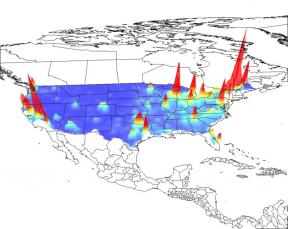
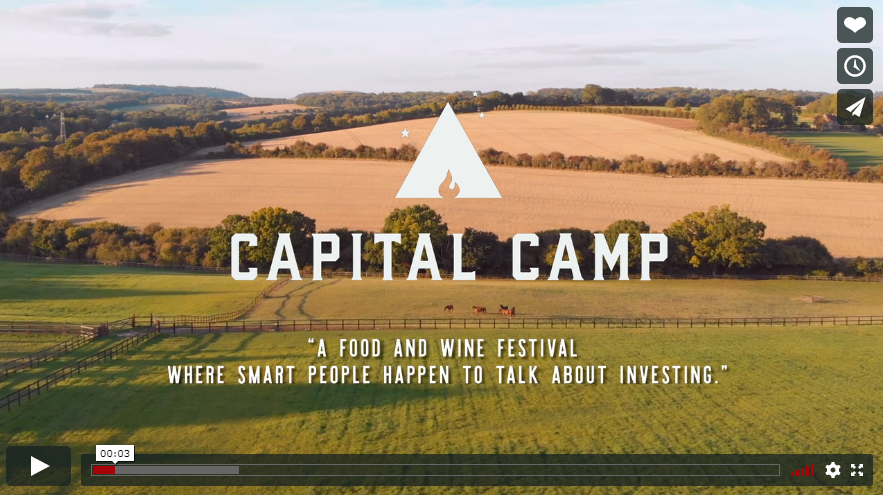
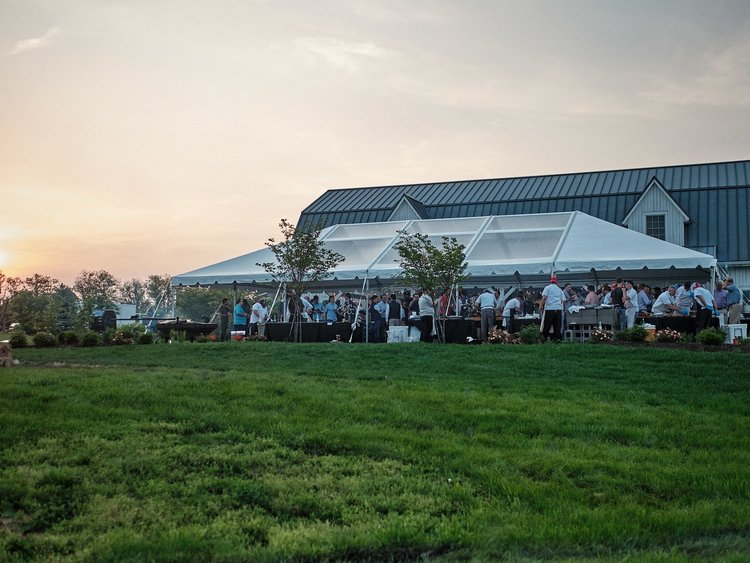
May 17, 20201/ Why do cities have so many problems? "That's the way they've 'always' been. They're too hard to change." COVID wipes all of that. Not just cities; communities of every size can be reborn. What will it look like? https://twitter.com/chris_herd/status/1260681652872908802 2/ People aren't going to abandon cities outright. There are lots of positives But the world will get a lot less 'spiky' and people are going to start exploring the spectacular places to live in the other 90% of the US https://twitter.com/ryanchris/status/1260358684409880577 3/ People already know that the cost of living between SF vs. literally anywhere else can be staggering There are plenty of people who would live in SF, LA, NYC by choice. But there is an ocean of people who want more https://twitter.com/bryanrbeal/status/1257472953924624385 4/ But just because you hate paying $4K for a studio apt doesn't mean you suddenly know the perfect place to live If you came from a small town, maybe you move back? Or do you move somewhere completely different? https://twitter.com/dhaber/status/1252786279290482689 5/ This is the time to shine for people like @livability who are exploring "what makes small-to-medium sized cities great places to live." 82.8% of the population is urban; that won't necessarily change as much as shift https://www.worldometers.info/world-population/us-population/ 6/ People like @BrentBeshore have been telling us all about the benefits and beauties of building outside of the hustle and bustle in the stunning corners of the rest of the world. https://twitter.com/BrentBeshore/status/1259834823507456000 7/ ...nope, not that one. This one. @BrentBeshore https://twitter.com/BrentBeshore/status/1226278390530863104 8/ Also, have you seen the videos of @CapitalCamp - it's unreal. https://vimeo.com/349136072 9/ You see the same beauties from @awilkinson in Victoria, Canada https://twitter.com/awilkinson/status/1258581293471858699 10/ Think about that. Instead of squinting at these views on Twitter, sighing over their setup while you stare at your studio walkup, thinking about how to pay rent, wondering if you can sell both of your kidneys or just one--you could find your own beautiful place. [sad gif] 11/ Maybe your beautiful place is San Francisco, and that's fine. But the barriers to broadening the way we work, live, and civically engage in our communities around the world could shift dramatically https://twitter.com/david_perell/status/1260426041077743617 12/ Focused on working in tech? There are already investors making bets in awesome markets like New Mexico, Arizona, Montana, Georgia The godfathers of my own career @KickstartFund are helping make Utah a destination for high quality tech https://www.nytimes.com/2020/04/15/business/smallbusiness/venture-capital-move-inland.html 13/ An influx of excited new entrants will transform downtowns all over the country. People like @FallowsDeb and @JamesFallows are already painting character studies of these towns. https://medium.com/@kwharrison13/our-towns-book-review-quotes-d19c1e7bda94 14/ "I am learning that every city has its own founding myth, or origin story -- by which I mean a narrative... that shapes an area's sense of its successes and failures." @JamesFallows https://www.theatlantic.com/national/archive/2013/08/holland-snowmelt-patient-capital-and-the-revival-of-downtown/278730/ 15/ Maybe one of the most important outcomes? A re-introduction of one part of America to the other. Proximity creates empathy of experience, which can lead to understanding if properly nurtured. @tarawestover https://www.theatlantic.com/magazine/archive/2019/12/tara-westover-trump-rural-america/600916/ 16/ It isn't city-living vs. country-living. You can see cities continue to thrive while getting more affordable AND smaller communities get a lift from new arrivals https://twitter.com/varun_mathur/status/1256721983762546690 17/ The more people who step into the opportunity to get creative with where they live, the more we'll see the world truly get more flat. Maybe then you start to see actual equality balancing? https://medium.com/@kwharrison13/the-new-urban-crisis-book-review-quotes-33a0b7b7bb27 18/ There is a library of things that could change depending on how we all react. https://twitter.com/BrentBeshore/status/1260548736431734786 19/ How will you redesign your own life? Choose Your Own Adventure just became that much more attainable. https://twitter.com/nateliason/status/1260378454874304512
What are some widely held urbanist opinions that are just plain wrong?
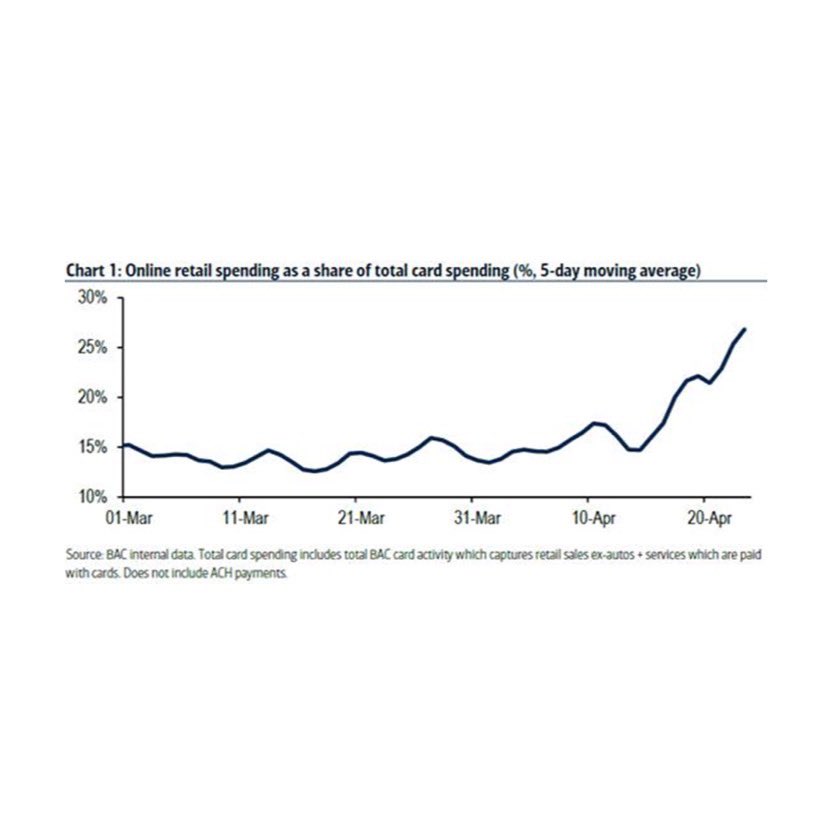
May 7, 2020Wow: eCommerce is now at 30% of all retail. Fall will see higher numbers, potentially reaching China's 37%. Why this should concern you: United States: 23.5 SQ. FT / capita China: 2.8 SQ FT / capita We are a landscape of suburban strip malls that won't be needed. Source: BAC https://t.co/VnwpeI8D7q **Links in this post** (t.co shortlinks resolved 2026-09-28): - `https://t.co/VnwpeI8D7q` → https://x.com/web/status/1257786012060827653
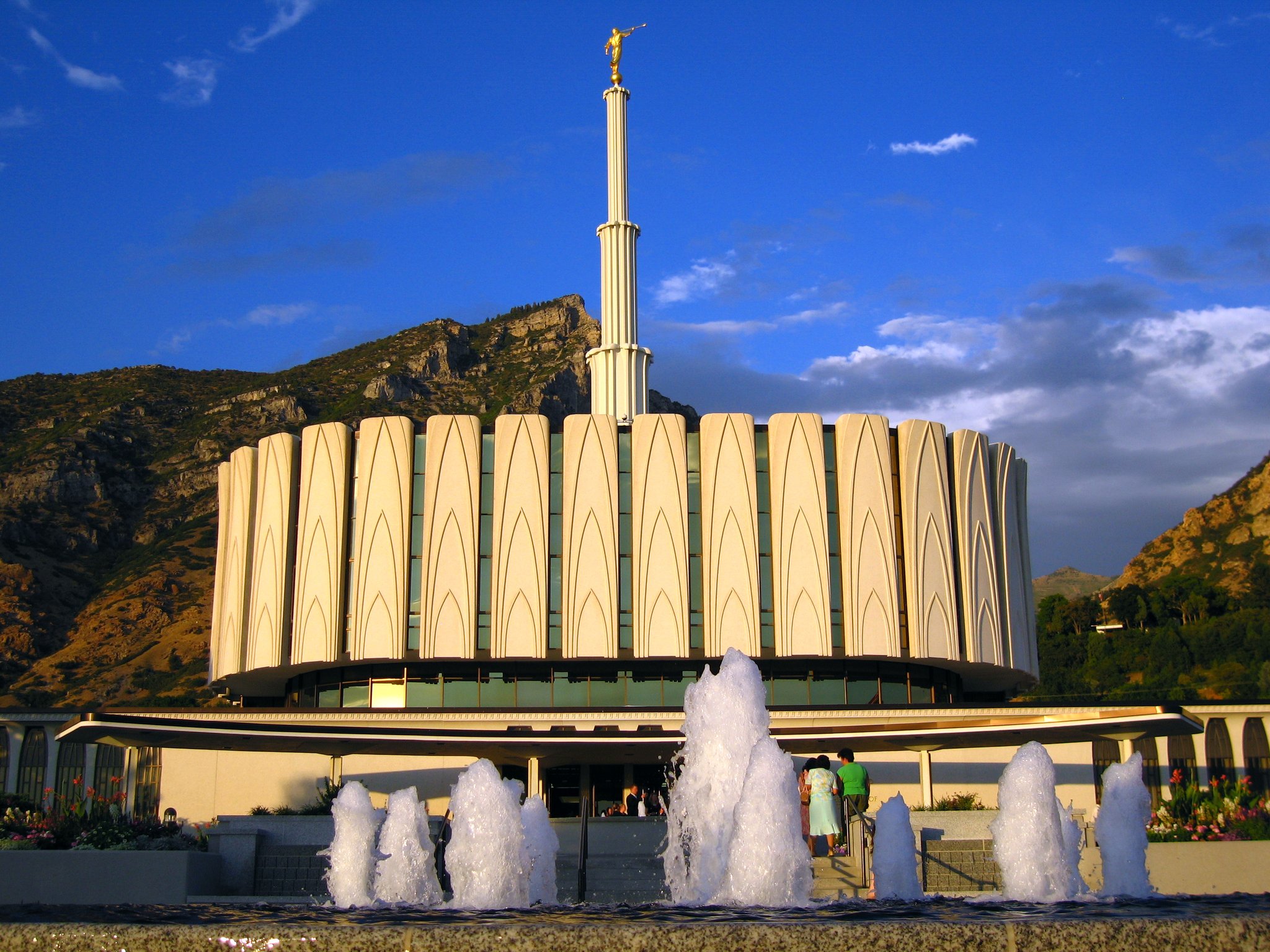
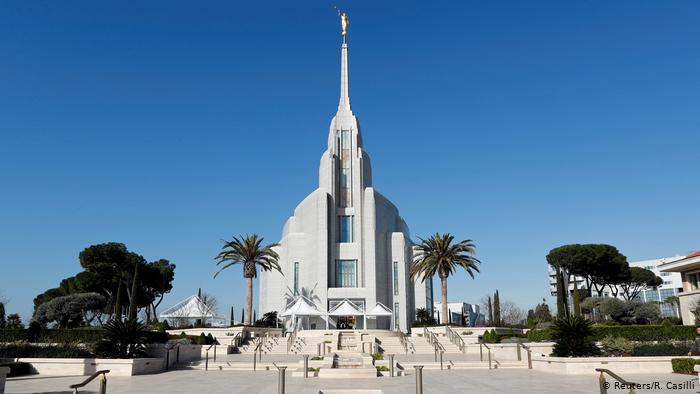
Alright, can someone explain Mormon temple architecture to me? Because I'm intrigued. https://t.co/VkAwYq2dv0 **Links in this post** (t.co shortlinks resolved 2026-09-28): - `https://t.co/VkAwYq2dv0` → https://x.com/mnolangray/status/1250286615018082305
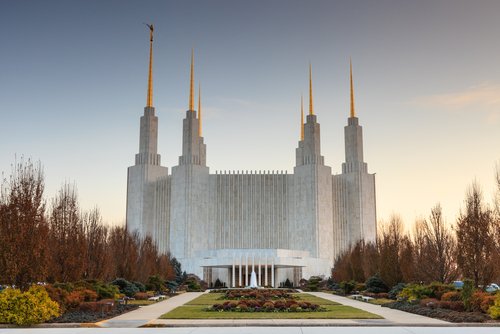
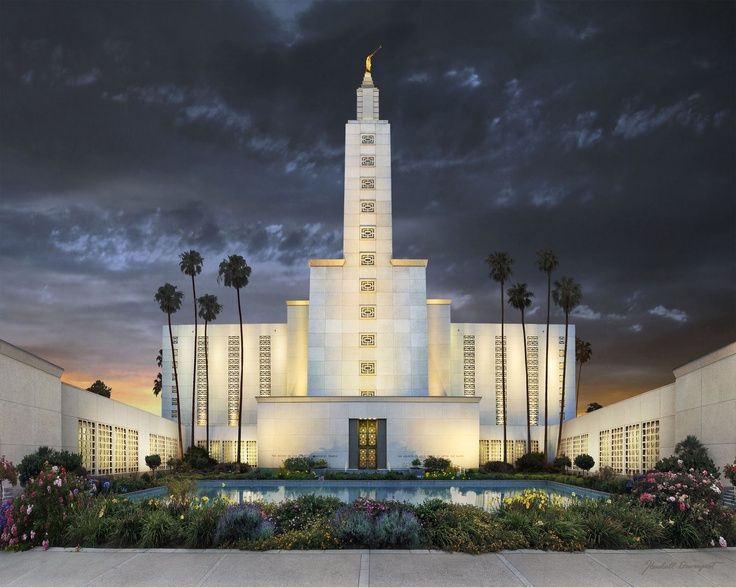
“The multimillionaire's plan to reinvent a town...” https://t.co/iLHPlt4edD **Links in this post** (t.co shortlinks resolved 2026-09-26): - `https://t.co/iLHPlt4edD` → https://www.bbc.com/news/business-51648556
Mar 3, 2020Excited to announce Culdesac Tempe - the first car-free neighborhood built from scratch in the US. @liveculdesac #carfree https://t.co/mjC3VZuRw8 **Link in the tweet:** https://t.co/mjC3VZuRw8 → https://medium.com/culdesac/introducing-culdesac-3fbfe7c4219c
Nov 19, 2019