Kyle Harrison
concept
The Reports of Our Usefulness Have Been Greatly Exaggerated
The Reports of Our Usefulness Have Been Greatly Exaggerated
Stub page — auto-generated from wikilink references. Not yet written. Referenced in 9 wiki pages.
Files from Roam
Recovered from Roam on 2026-10-27, where these were hosted and would have died with the graph.
Where this appears
- FOUNDERS - What is the Most… (tweet)
- I Believe We Are Going… (tweet)
- If You Are an Entrepreneur… (tweet)
- Let’s Try an Open Twitter… (tweet)
- Maybe Unpopular Opinion - Founders Should… (tweet)
- Met a Portco Exec for… (tweet)
- Startup Investors Whose Only Involvement… (tweet)
- The Level of Cognitive Dissonance… (tweet)
- “I Would Predict That Between… (tweet)
Verbatim source notes — restored from Roam, 2026-09-21
- To each their own. But in my mind, anyone who believes that all $329B of venture dollars invested was attached to absolutely zero beneficial advice or support is naive. Instead I think of it more akin to a marketing budget. They say 50% of your marketing budget is wasted, they just don’t know what 50%. Well more than 50% of VCs are worthless, you (and they) just don’t always know which half.
- The meme can be undermined by shifting the focus away from “you tell me” value-add and instead emphasize the ideation phase. The more investor articulate their value prop the easier these suggestions become.
- Marc Andreessen said it a different way, describing it as a “bridge loan of credibility in advance of tangible evidence.”
- Venture investors wake up and look themselves in the mirror, convinced that surely they can’t be useless. But the memes play again and again in their heads. Even investors who have sat on both sides of the trouble slip quietly into madness as they pursue the circular logic.
- Once you start to measure any proposed VC value-add I think this is a good bar to return to. Can the VC improve your odds of success? And I think there are a few ways they often go about doing that.
- I’ve been told by my 14-year old niece that only nerds change memes (she believes in strong opinions strongly held.) And don’t get me wrong. I’ll continue to make fun of ineffectual VCs online as much as the next person. But there is always at least a little bit of truth in every “JK” so I want to, instead, think about ways that VCs can ensure their usefulness.
- But progressively the meme has expanded to “all VCs are useless” pretty quickly. This sentiment creates a significant dose of soul-searching among VCs. When I interviewed ~90 investors for a piece back in January all about the “value-add product” of VCs that angst was pretty common.
- This one is for founders. It’s important to note how much good investors really do want to help. They do their best to offer up advice or benchmarks or best-practices from previous investments. But no one can know your company as well as you can. Micah Rosenbloom at Founder Collective put it this way:
- One rave review from a company about their VC is one I learned about during my days at TCV. In 1999 TCV made their first investment in Netflix right before they spent the next few years getting batted around by the dotcom. TCV helped Netflix through a recap in 2001 and invested several times over the next few years.
- I’ve written before about how old the origins of venture in the 50’s and back then the memes weren’t so dank. But the VC meme game has really stepped up in the last few years. Now @vcstarterkit has 50K+ followers on Twitter and most jokes about “VC usefulness” can go viral.
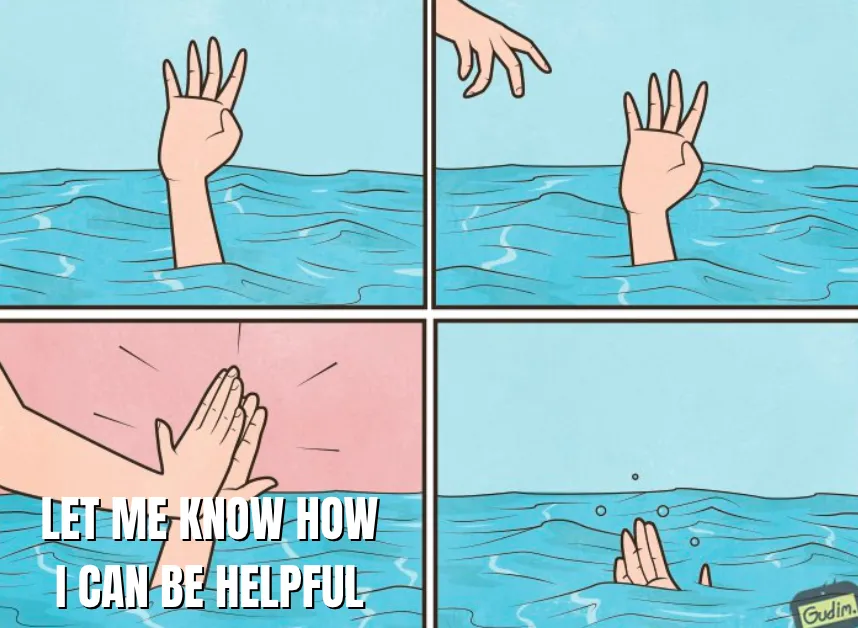
- Venture capital is a weird hodge podge of money management, advisory services, thought-piece marketing, and (progressively) meme accounts. As recently as 2019 most of the conversation around “let me know how I can be helpful” mostly revolved around lending “social capital in lieu of financial capital.” In other words? VCs say it when they pass on an investment but don’t actually mean it. To their credit, whoever runs the @vcstarterkit twitter account laid out a great article about this dynamic.
- When I talk to folks who are either building newer firms or those who are attempting to improve the way their current firm does value-add I often see this sentiment: “The idea that founders shouldn’t expect their investors to add value should change. There should be a reaction to actually delivering results.”
- VC has historically been very hard to do well (though less so over the last few years.) We’re likely returning to a point where venture investing is much more difficult to drive outsized returns that justify the inherent fees. So not only is this more than a nice to have, and not only is it an element of long-term survival for a fund, but it should also be something investors are laser-focused on in hopes of improving their outcomes. In a world of well-measured value-add you should start to see more definitive help = greater outcomes.
- And I could go on and on. There are any number of aspects that VCs can build their unique value proposition around. This first half of this post is acknowledging that, contrary to popular belief, VC value-add does exist. But it’s muddled behind some ineffective social systems in the VC <> founder dynamic.
- Before any program or process the relationship to capital is critical. Bill Gurley, I believe articulated this idea of the danger that comes from decoupling advice from capital. When you’re just giving cash or just giving advice you have misaligned incentives.
- Anyone who isn’t taking advantage of the NFX marketplace library, or the First Round Review or the Vertical SaaS Knowledge Project from Tidemark is missing out on some high quality content. VC thought leadership is (surprise) another aspect of the meme. But so many VCs do it because the writing is a way of articulating their vibe to founders in order to better attract the right kind of pitches. For really high quality content if you think the writing is good? Just wait until you have the writer on your cap table.
- Meanwhile he’s just finished laying out at least 8 things that founders can ask from investors that don’t trigger any awkward social capital dynamics; just plain and simple ways that founders can try and kickstart their current and wanna-be investors.
- Too many people have forgotten that. Some of the meme-ery of VC might stem from that. People expected a lot, and VCs even promise a lot, but there is a disconnect in delivery. Certainly that can crop from crappy VCs that would have loved to help out, but they had a tee time to catch. But in my opinion it’s just really difficult to nail a meaningful value-add which is why you have to start with a zero expectation and go from there.
- Review Productization of Venture Capital: ((yAF78-ot5))