Biden Is Right That We Need to Raise Taxes (Noahpinion)
| Author | Noah Smith |
|---|---|
| Published | April 27, 2024 |
| Format | Article |
| Original | Read the original |
With big deficits and high interest rates the U.S. should raise taxes and cut spending; Biden’s FY2025 plan gets capital gains and estate taxes right, but its accrual tax on unrealized gains, its health-care subsidies and its racial-justice framing all need to go.
Biden Is Right That We Need to Raise Taxes (Noahpinion)
Subtitle on the original: “But his plan needs a lot of work.”
Key claims
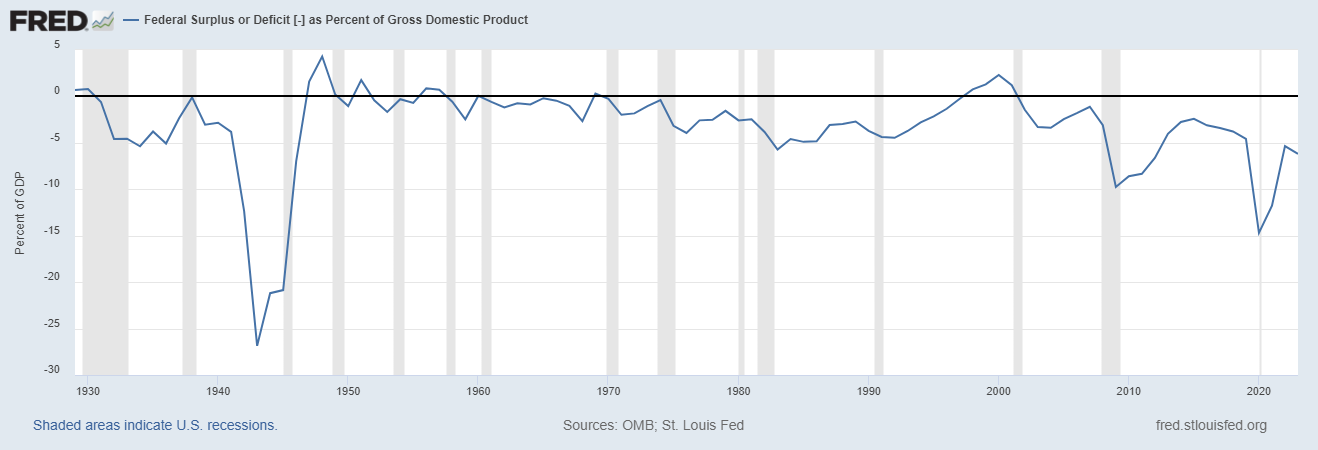
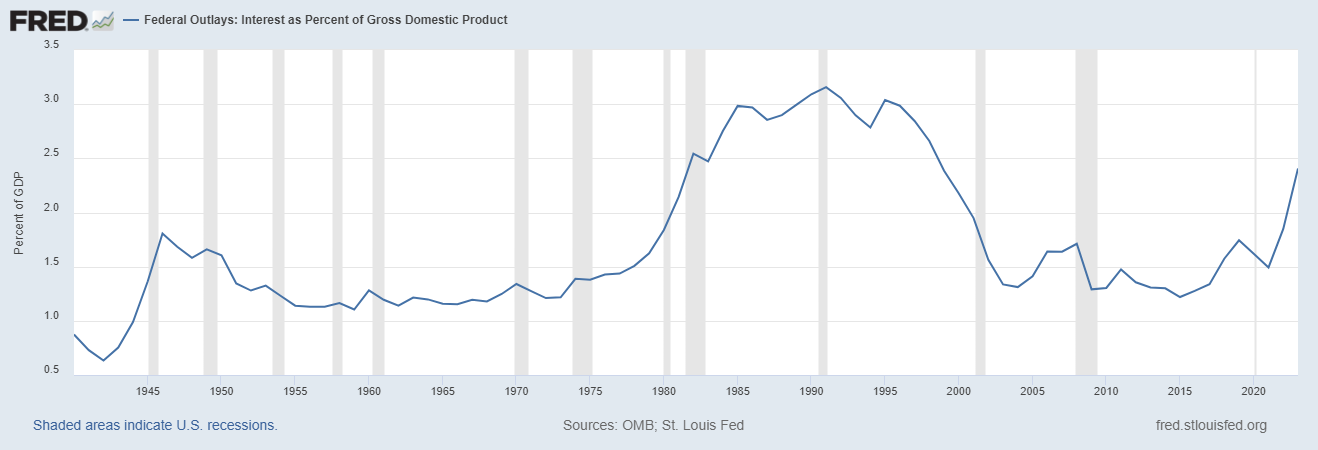
- Why now. The pandemic is over and the economy is “doing great,” yet the deficit is large; under standard Keynesian management this is “the perfect time to get deficits under control.” Inflation is above target and interest rates are high enough that borrowing raises interest costs “by a lot,” a problem the U.S. “hasn’t faced since the 1990s.”
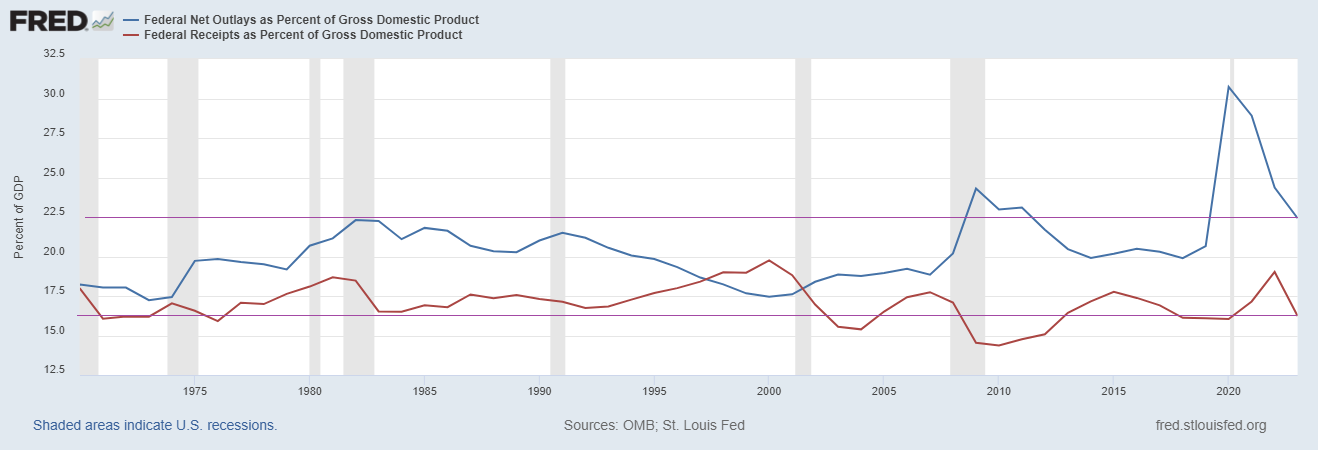
- Do both, as in the 1990s. Spending as a share of GDP is higher than in recent history except the Great Recession, and taxes are lower than under Reagan, Clinton and (mostly) Bush. Any compromise will mix cuts and tax increases, “this is what we did in the 90s and it worked,” and it is what other countries do.
- Biden’s three revenue ideas. (1) tax capital gains at the same rate as ordinary income, (2) eliminate step-up basis on inherited assets, (3) a 25% minimum income tax on the wealthy that counts unrealized gains. Smith backs the first two and wants the third dropped.
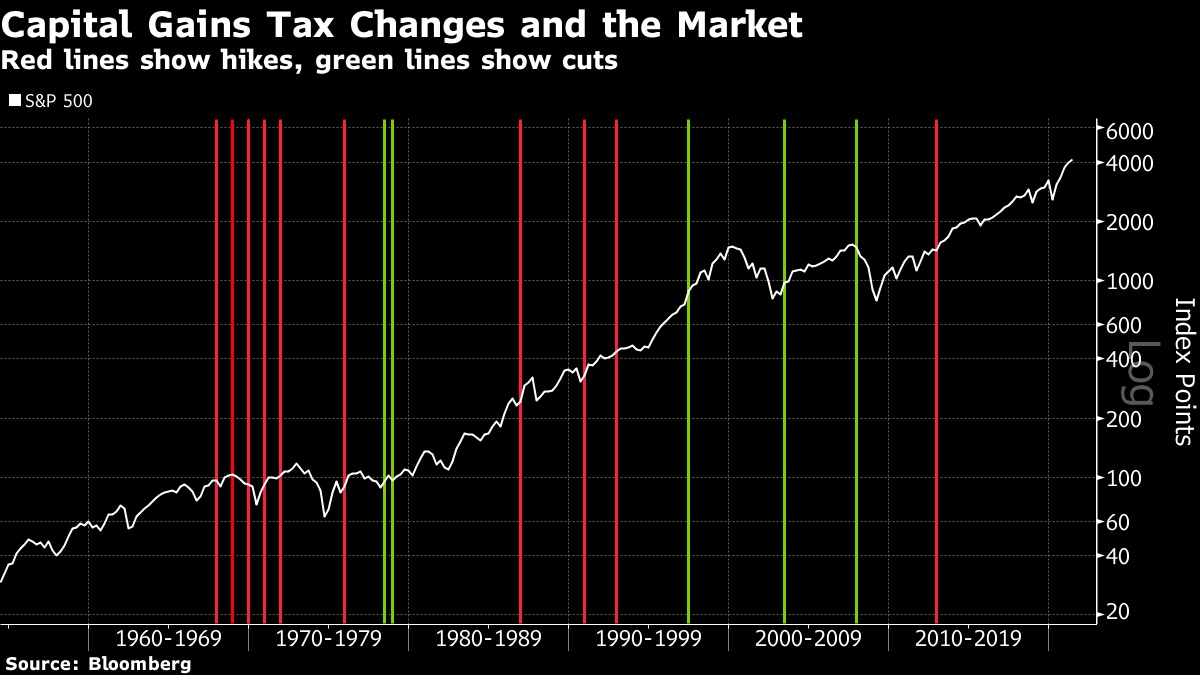
- Capital gains taxes distort little. They fall mostly on the rich, and changes in the rate “don’t seem to do much to the stock market” (a Goldman Sachs analysis via John Authers). Sarin et al. (2022) argue they would raise a lot of revenue, since index-fund and ETF money is unlikely to leave the market. Bill Gates “has been calling for a higher capital gains tax for years.”
- Step-up basis is a pure loophole. Inheritance “just washes the tax liability away forever”; estate taxes don’t appear to change savings behavior, so closing it costs little.
- The accrual tax would hurt startups. Quoting his own 2019 Bloomberg column, taxing paper gains forces holders of illiquid startup stock to sell after an up-round. The alternative, credited to Alan Auerbach, is to charge interest on past gains at the time of sale, which with step-up basis gone “does the same thing as accrual taxation, but without the liquidity problem.”
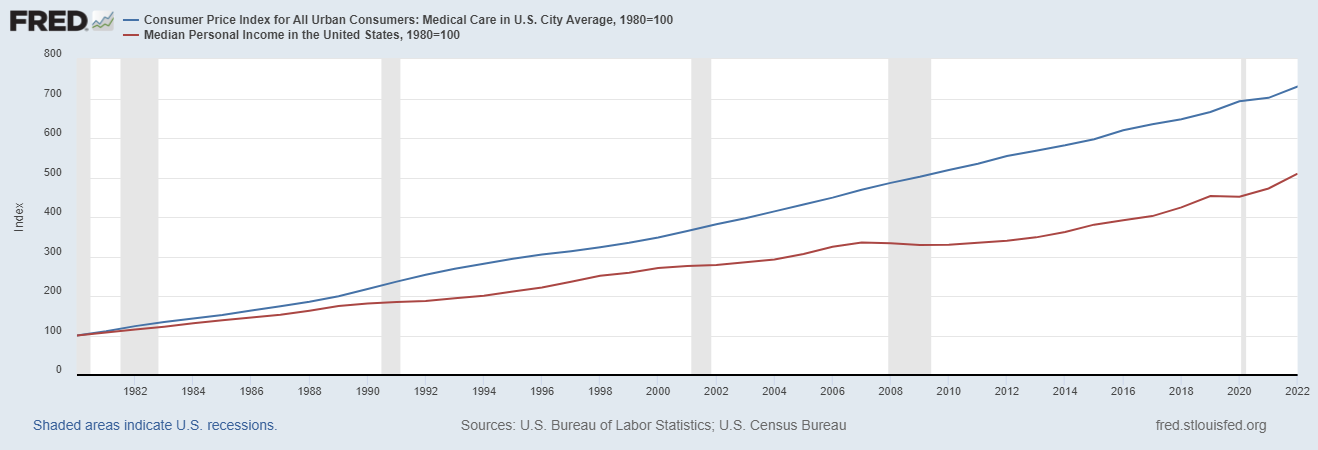
- Spend on the CTC, not health subsidies. Restoring the expanded Child Tax Credit is “the closest thing America is going to get to a universal basic income” and pro-natalist (a Mitt Romney idea too), though maybe unaffordable now. Making the IRA’s premium credits permanent is “just plain misguided”: medical prices have outpaced median income for four decades, U.S. care costs “more than twice as much as other rich countries’ systems,” and demand subsidies raise prices, the Niskanen Center’s “cost disease socialism.”
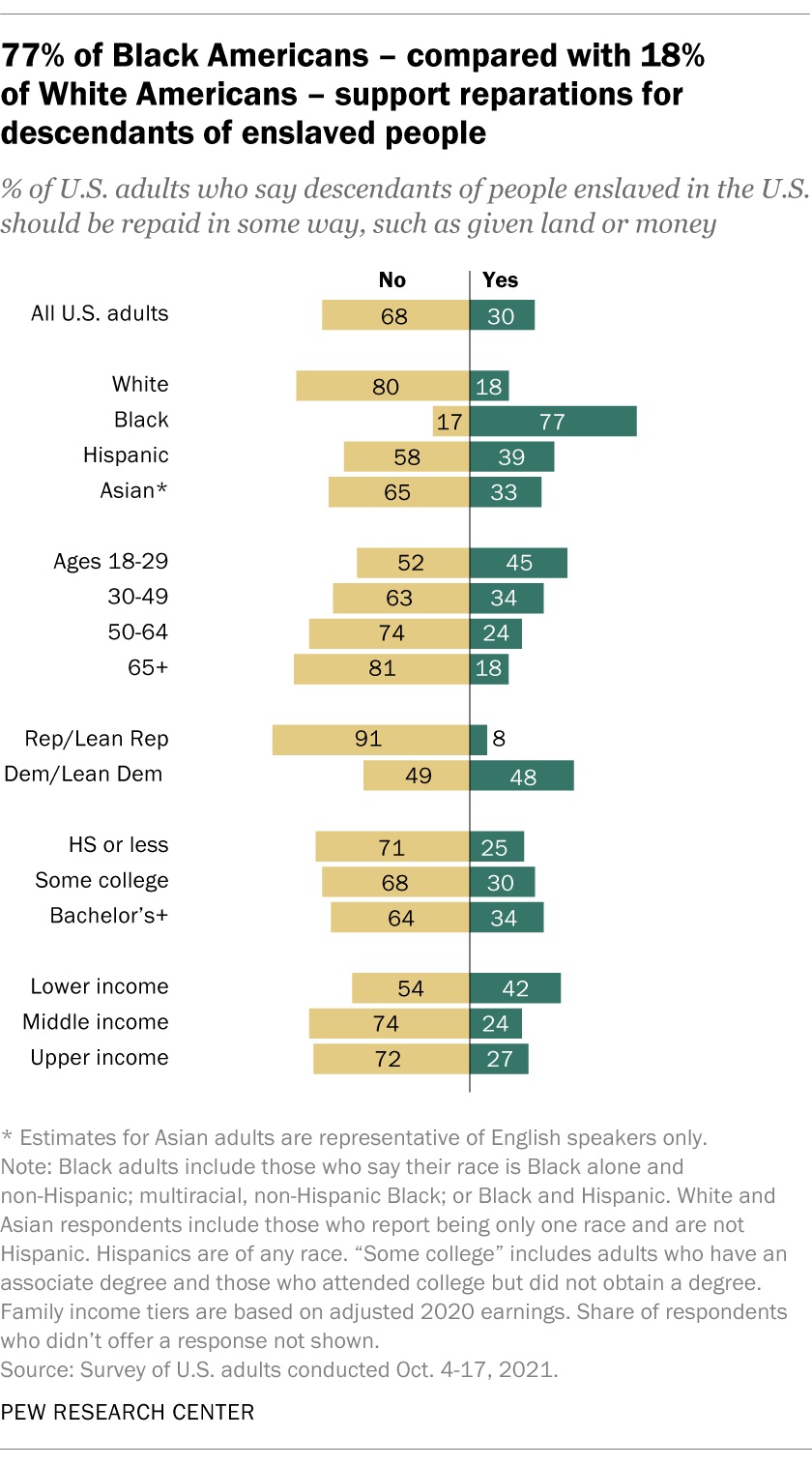
- The framing will kill it. Treasury titled the plan “Advancing Equity through Tax Reform: Effects of the Administration’s Fiscal Year 2025 Revenue Proposals on Racial Wealth Inequality.” Reparations polling (Pew) shows racially redistributive policy is unpopular even with Hispanic and Asian swing voters; deficit reduction, child poverty and funding manufacturing are better reasons.
Notable quotes
“My take on this plan is basically that yes, we need to raise taxes in the U.S., because of big deficits and higher interest rates.”
“There are two ways we can get deficits under control: 1) cut government spending, and 2) raise taxes. That’s it — those are the only options.”
“In general, people just don’t change their behavior much in order to try to avoid capital gains taxes.”
“Inheritance just washes the tax liability away forever.”
“If the step-up basis loophole is fixed, retroactive capital gains taxation does the same thing as accrual taxation, but without the liquidity problem.”
“When you subsidize the demand for something, its price goes up.”
“The urge to shovel money at already-overpriced service industries was always the weakest part of Bidenomics.”
Charts and figures
How it connects
- Capital Gains · Wealth Tax — the accrual-tax critique is the startup-liquidity case against taxing unrealized gains.
- Noah Smith — other Noahpinion long-reads in the wiki include How We Can Beat China (Noahpinion) and India Is Quietly Doing Great (Noahpinion).
- Bill Gates · Mitt Romney — cited as supporters of a higher capital gains rate and a CTC-style transfer.