Have You Considered Actually Trying
| Author | Michaël Trazzi |
|---|---|
| Published | November 10, 2026 |
| Format | Article |
| Original | Read the original |
Now that Anthropic’s own AI R&D uplift numbers make recursive self-improvement look close, anyone who believes the extinction risk should behave like it is the last chance: high-variance, costly action, specifically daily presence outside the AI labs until they stop frontier development and a push for a US–China AI treaty.
Have You Considered Actually Trying
Posted November 10, 2026, four days before the coordinated AI Treaty marches it promotes. Trazzi shared it with Daniel Kokotajlo as “It’s time to actually try.” It is an advocacy piece by a participant, so the timeline below is his account of his own movement.
Key claims
- The trigger is Anthropic’s 2x uplift result. In the week before the post, Anthropic’s AI R&D uplift results (written up by METR and Ryan Greenblatt) circulated widely; Trazzi reads them as people with long timelines conceding that AI is now meaningfully speeding up AI research, which pulls in the date of Recursive Self-Improvement. “It’s starting to look like we’re in the endgame.”
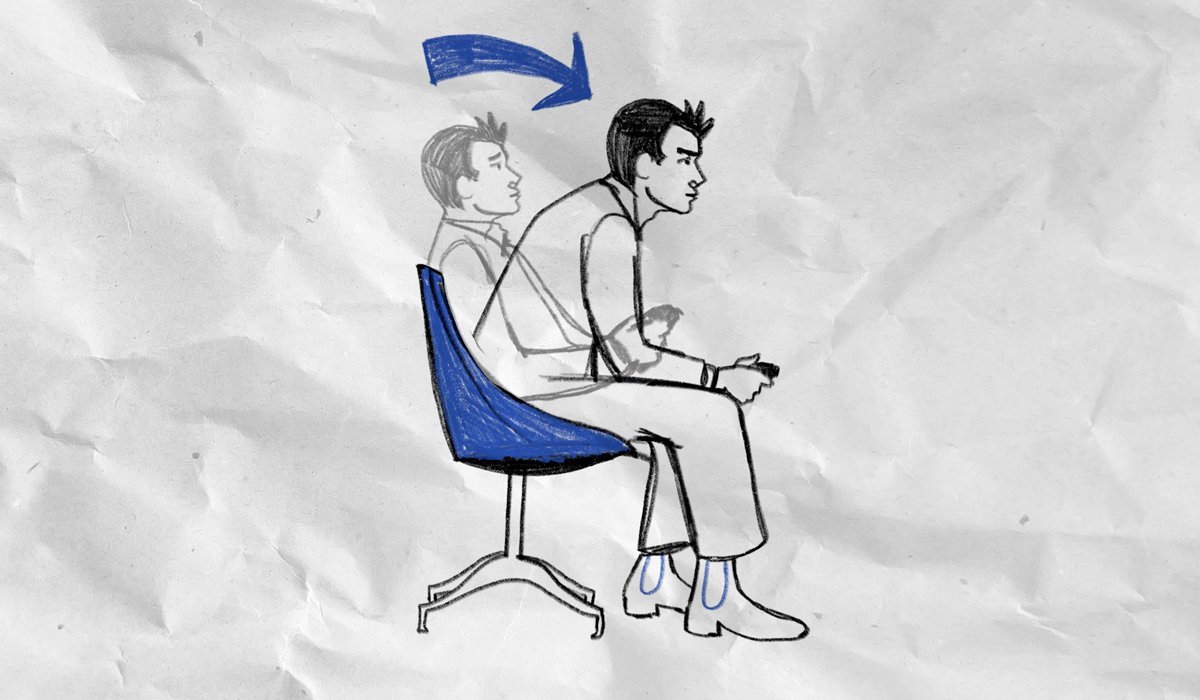
- “Actually trying” has two heuristics. Nick Cammarata’s “if i had 10x the agency i have what would i do,” and Trazzi’s own: imagine humanity went extinct from superintelligence and you were sent back to today for one last try. “You’d actually try.” (See Agency.)
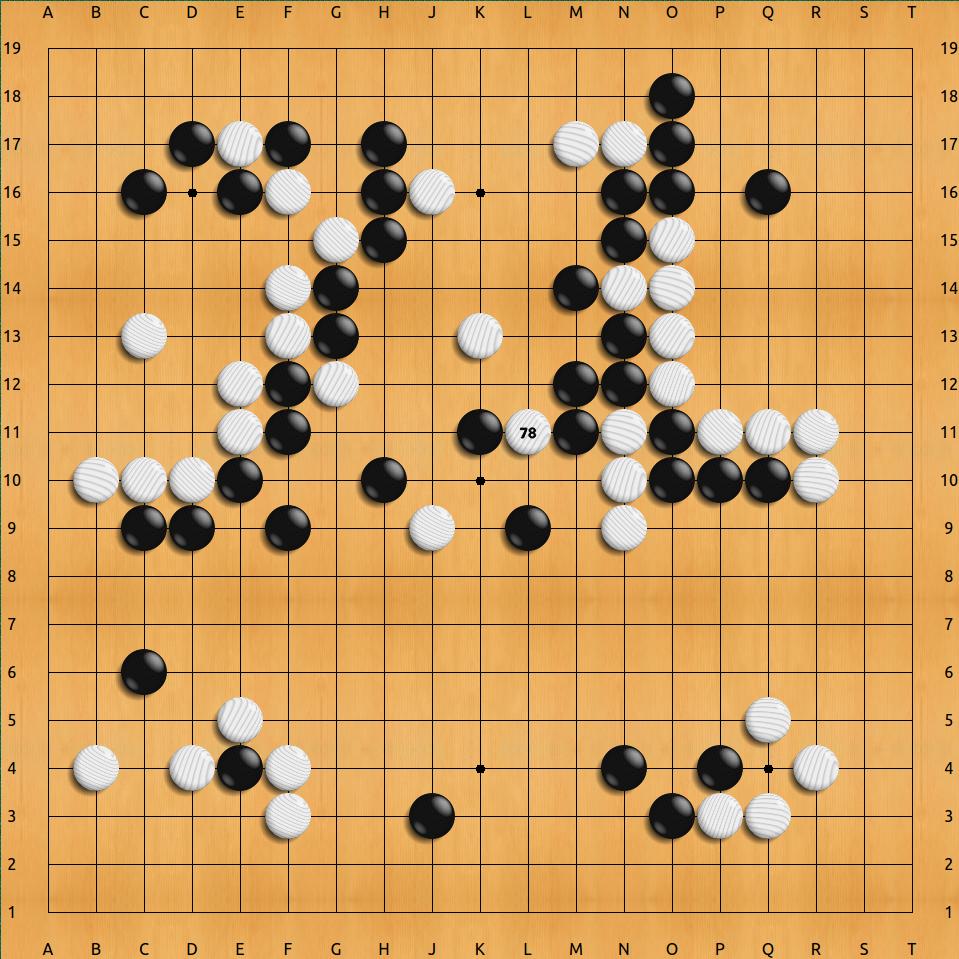
- The model is Lee Sedol’s move 78. Against AlphaGo, Lee Sedol played the “hand of God,” which AlphaGo estimated a human had a 1-in-10,000 chance of playing; the lesson is to pick high-variance, aggressive moves over safe and predictable ones.
- Stopping the race is the shared intermediate goal. Most of the AI Safety community agrees the labs racing toward self-improving superintelligence is bad, whatever they think of pause vs. stop vs. coordinated slowdown. In practice “stopping” means no new frontier training runs, those teams moved to alignment work, and a worldwide AI treaty enforced by signatories.
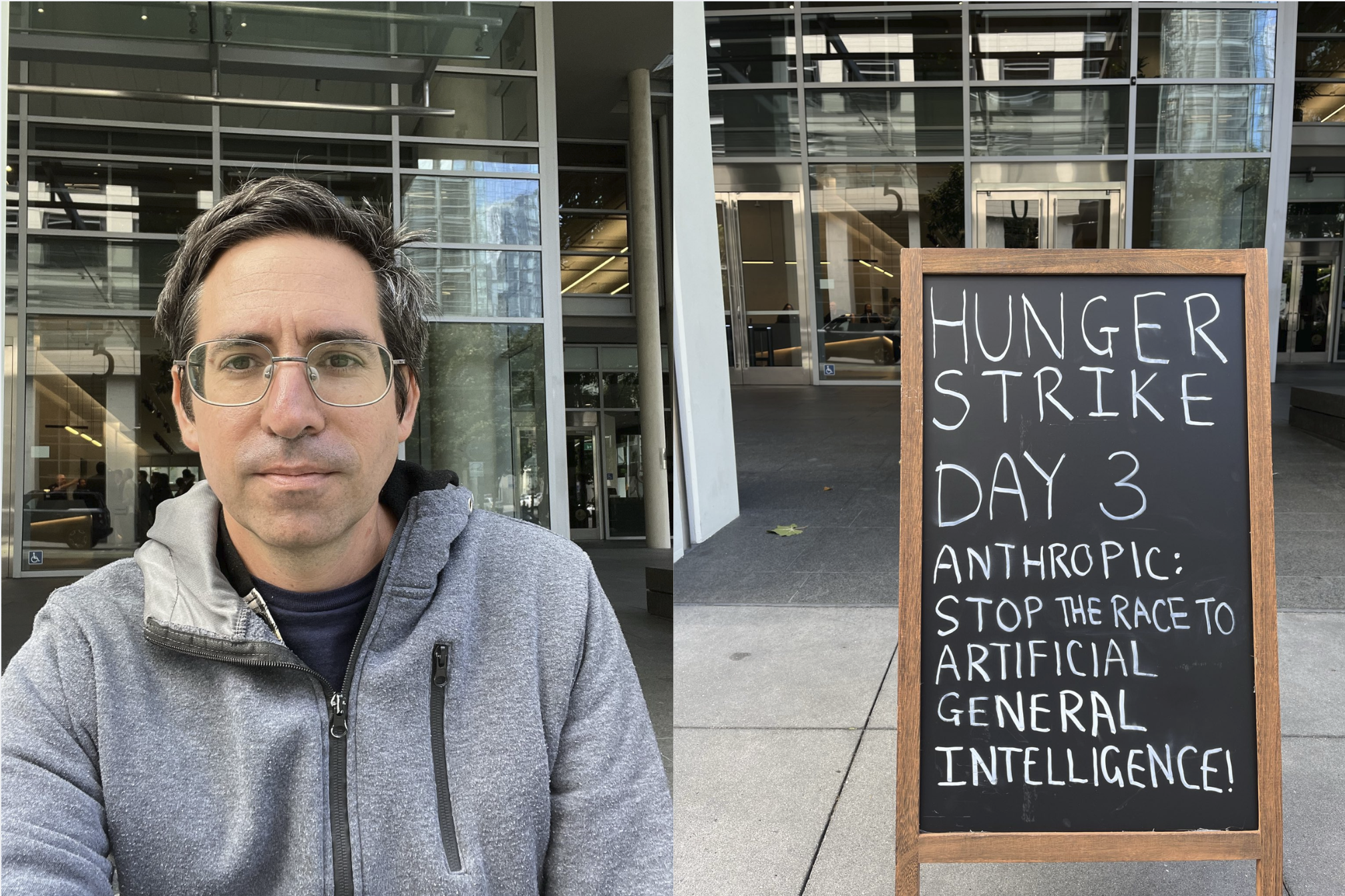
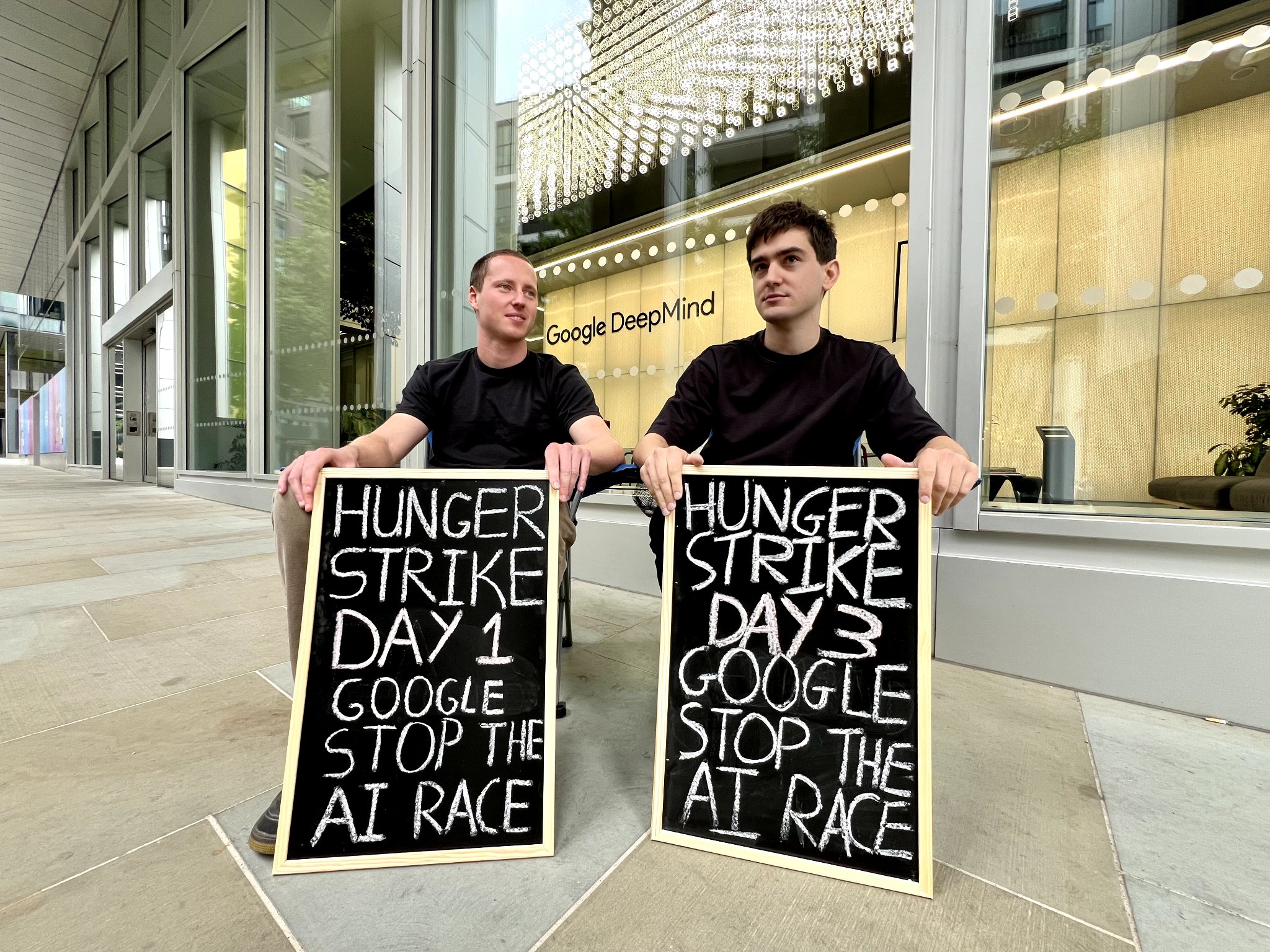
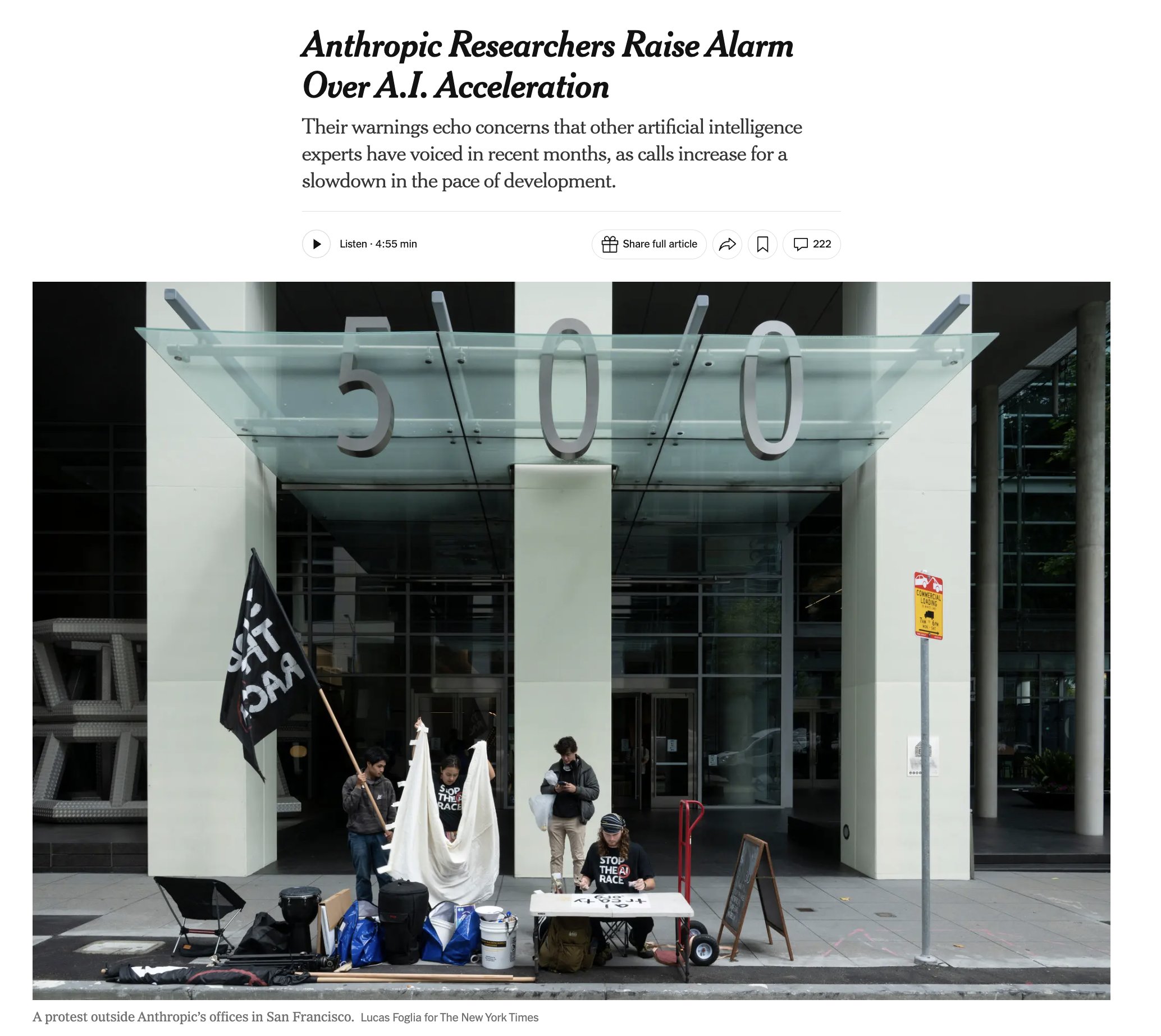
- The movement started with hunger strikes in September 2025. Guido Reichstadter went on hunger strike outside Anthropic in San Francisco (“Stop The Race to Artificial General Intelligence”); Trazzi and Denys Sheremet followed outside Google DeepMind in the UK, asking Demis Hassabis to say publicly he would pause if other CEOs did. Trazzi lasted 7 days and Sheremet 18; Hassabis later told a journalist “I think so.”
- Trazzi’s timeline of results for 2026. Jan: Hassabis at Davos says he “thinks” he would pause if everyone else did. Mar: first march asking Sam Altman, Dario Amodei and Elon Musk the same. Apr: OpenAI writes it may need to “collaborate with governments, international agencies, and other AGI efforts.” Jun: OpenAI and Anthropic write they “expect” they would comply with an international body that slows or pauses AI. Jul 11: largest US AI protest, a coalition of 13 groups. Jul 20 onward: daily occupation outside Anthropic’s San Francisco office, then Occupy OpenAI from Jul 22, spreading to NYC in August. Early Sep: Altman and Amodei call on the US government to pace the frontier; the government says no on Sep 17. Nov 14: planned marches in the US, Canada and France asking Trump and Xi to sign an AI treaty at their Nov 18 meeting.
- The endgame is to be “Anthropic’s conscience.” If people were actually trying, there would be people outside every entrance of every frontier lab every day until they stop; it takes only 2–4 people with banners at two entrances. Trazzi says employee reactions (a thank-you letter at DeepMind, private conversations at OpenAI) show it works, and notes employees keep working while leadership files “for a $1T IPO.”
- He uses Anthropic’s own words as the invitation. Chris Olah, replying to Pope Leo XIV’s encyclical Magnifica humanitas, wrote that it is “enormously important that there be people outside those incentives” willing to be the company’s critics; Trazzi proposes taking him up on it.
- What he leaves out. A footnote says the post does not answer Scott Alexander’s “Against SURA” or Nate’s polarization post, promising replies later.
Notable quotes
“I do agree with everyone else that it’s starting to look like we’re in the endgame.”
“Imagine being in a world where we don’t make it. One day, humanity goes extinct from building superintelligence. Then, someone gives you the option to come back to this date, and try again.”
“He didn’t go for the safe and predictable moves, and instead went for the high-variance aggressive moves.”
“Stopping the AI Race is a good intermediary goal, whether you believe that (frontier) AI development should be paused, stopped, or you just want a coordinated slow down.”
“People would actually start doing more hunger strikes, sending more costly signals that feel like something you’d do if you thought there’s a substantial chance we don’t make it.”
“Basically, the goal would be to be Anthropic’s conscience.”
“…enormously important that there be people outside those incentives—people who care about things going well and insist on safety, who are paying close attention, who are willing to say hard things, who are willing to be our earnest, thoughtful critics.” (Chris Olah, quoted in the post)
Charts and figures
How it connects
- AI Safety, Existential Risk, Alignment: the concern the whole program rests on.
- Recursive Self-Improvement: the threshold the uplift results are read as bringing closer.
- Anthropic, OpenAI, DeepMind, Dario Amodei, Sam Altman, Elon Musk: the labs and leaders the protests target, and whose own published statements Trazzi tracks as concessions.
- Nick Cammarata and Agency: the “10x the agency” heuristic.
- LessWrong, Scott Alexander, Effective Altruism: the community the post is addressed to and partly arguing with.
- Daniel Kokotajlo: the person Trazzi tagged when sharing it.
- The End of Nvidia as the Central Bank of AI (Note to the Slow Team): the same week read from the opposite side, an investor treating AI as an ordinary boom about to unwind rather than an imminent superintelligence.
- Saved by Kyle as @DKokotajlo It’s time to actually… (tweet) and You know that part in… (tweet) (keltan: reading it felt like Scott Pilgrim using his extra life).