Social Practice Art in Provo
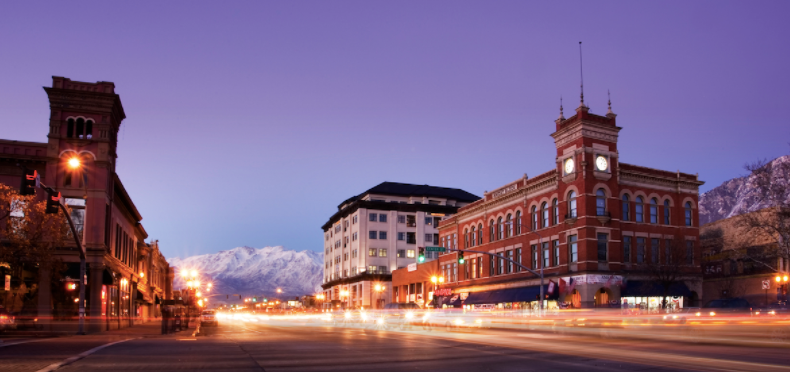
The blending of social service and art is a fascinating area because the benefits can be both social and aesthetic. ArtNews, a publication generally focused on the usual artistic venues, explained that “social practice is going mainstream as more artists focus their work on making an impact on problems like homelessness and pollution.” Spontaneous Interventions is a website that highlights “design actions for the common good.” They feature a fascinating number of projects that utilize that space between social service to create public art.
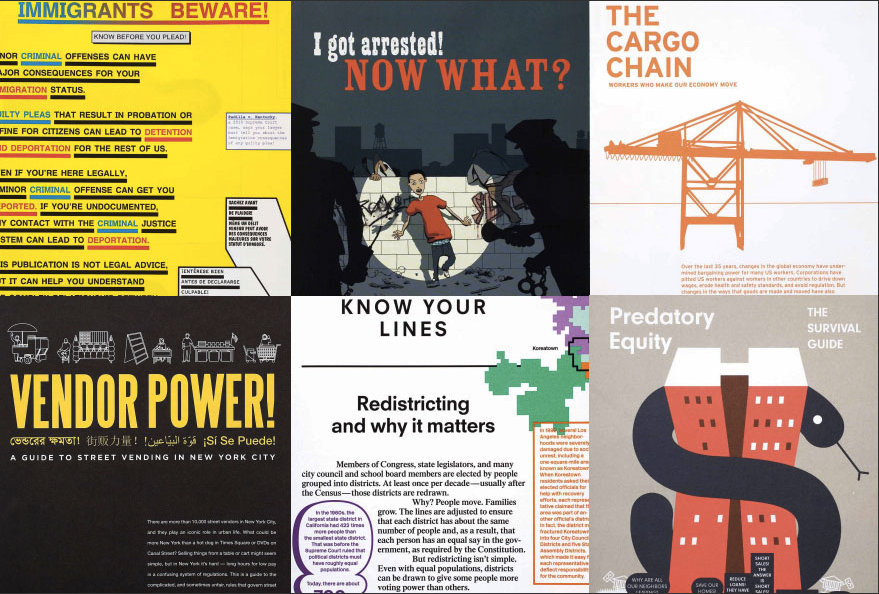
“Making Public Policy” works to explain complex issues of public policy using art and easy-to-understand design.
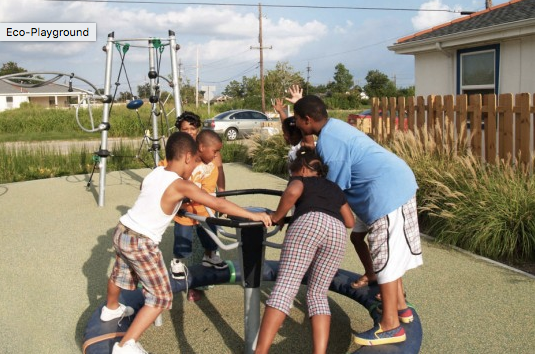
“Eco-Playground, designed by landscape architect Tim Duggan, uses recycled materials as well as state-of- the-art playground equipment including a solar-powered digital component that encourages children to play physically active games.”
Each of these projects involves the community in a socially-beneficial art piece. Making something attractive isn’t enough to be considered social practice art. Consider the example of Theaster Gates who takes abandoned houses on the South Side of Chicago and turns them into community centers.
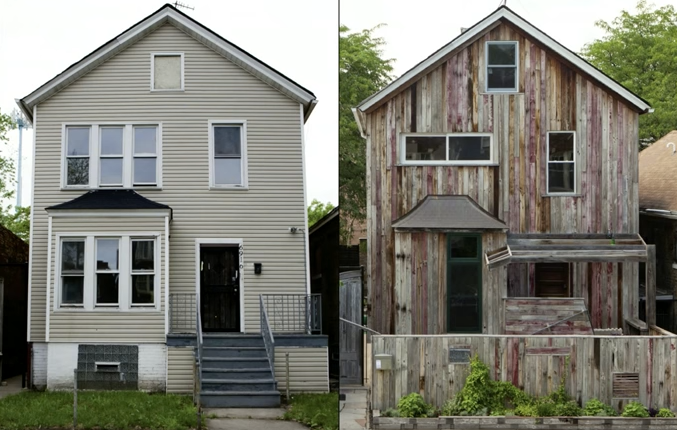
Not only does this service socially uplift the community as a whole, it uses art and design to make something beautiful.
In thinking about designing my own social practice art, I tried to think of a social problem that I had most frequently observed. Only ever having really lived in Albuquerque, New Mexico, Provo, Utah, and Pennsylvania, the most common social problem I had seen was homelessness, especially panhandling. When I considered the possible solutions to panhandling, I thought, “how much money would you need to give enough to every panhandler?” Generally, people who got themselves into that kind of situation probably couldn’t get out of it with just money. Then the more I looked into it, the more supported that hypothesis seemed.
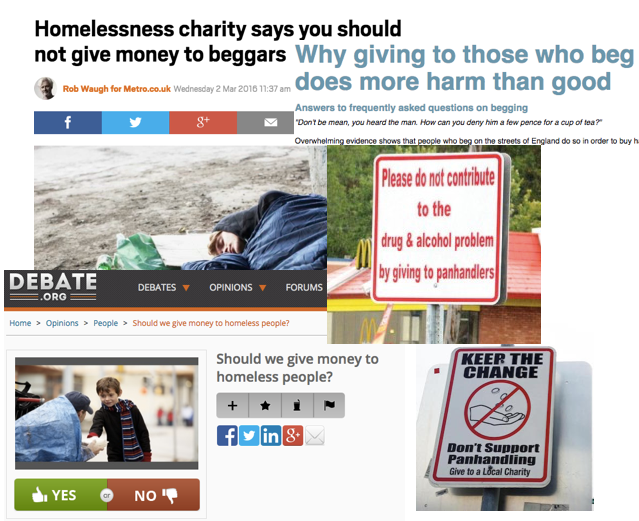
The general consensus is that giving panhandlers money does more harm than good. What people need is not loose change, but jobs, creativity, and feelings of self-worth. In Albuquerque, where I’m from, the mayor has started doing something that seems to be turning heads.
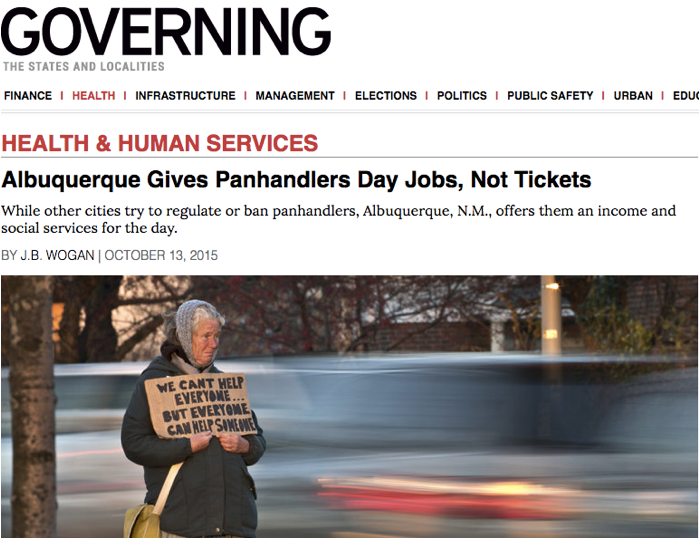
By driving around, offering panhandlers a job, they’ve changed the focus from “giving to the needy” to “helping the needy.” But as far as social practice art, where is the art? Where is the sense of creativity? This is a great step in the right direction, but I wanted to add an additional component that would endow self-worth with a definition deeper than just “I have money.”
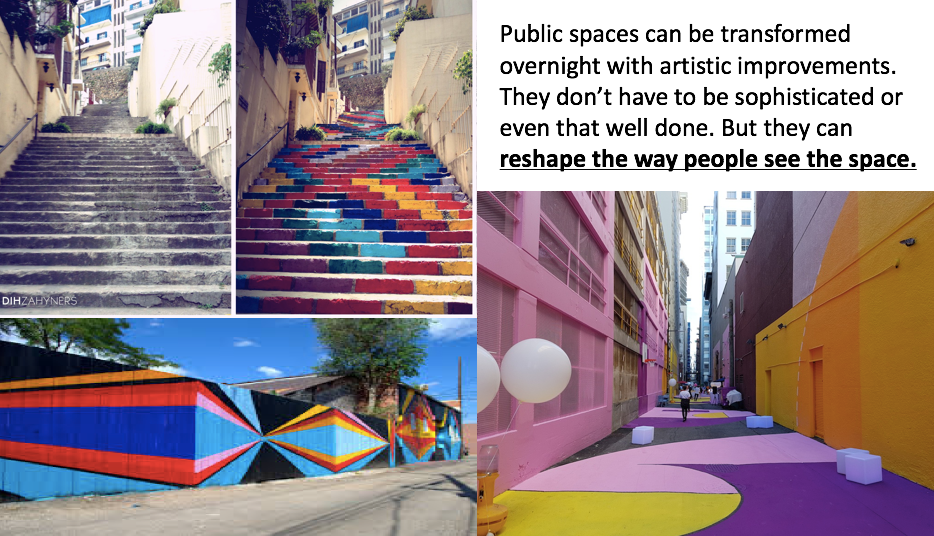
Obviously, when I was thinking about the homeless and the impact they have on a community (while at the same time thinking about ‘art,’) I started thinking about public art. Even the above images of a normal public area painted colorfully impacts the way people think and feel about these spaces.
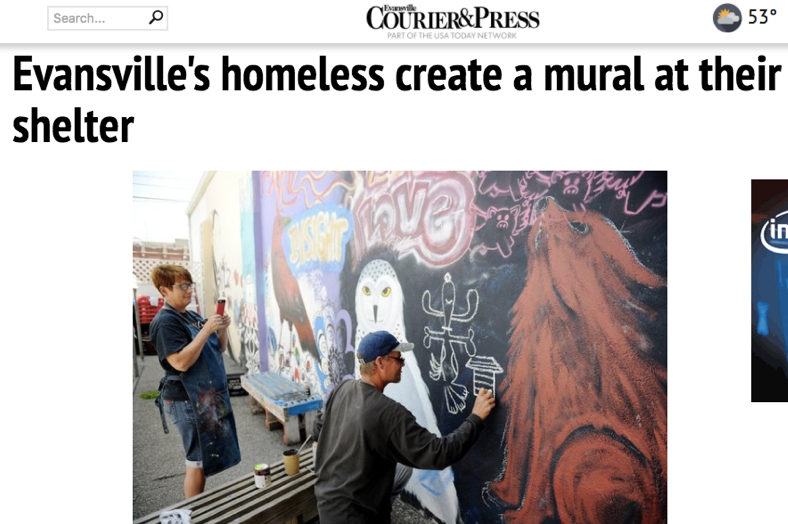
This story of the homeless shelter in Evansville, Indiana shows how one sub-group of people took public art and combined it with service to offer a memorial to a friend they had lost. I started thinking that offering meaningful work to the homeless could see the same result. In this video showing a conversation between Arthur Brooks of the American Enterprise Institute, and the Dalai Llama, Arthur Brooks tells the story of a man, poor by the world’s standard, explaining why he was a wealthy man:
“I’m wealthy because I’ve been able to do 3 things:
- Build something.
- Earn my living.
- And serve other people.
And that’s what it means to be wealthy.’”
My social practice art would combine elements to achieve all three of these goals. First, we would find the homeless who are in need of employment. We would allow them to build something by participating in local art, whether in private or public spaces that need revitalization. They would produce these art pieces with a sense of their own individuality. They would be paid for their labor, allowing them to earn their own living, and they would interact directly with the people who would benefit from this art work and feel the impact of the service they’re rendering. Homelessness doesn’t need to be about “how much money do they need?” The focus can, and should, be on “what do they need as a person?”
I’m in the process of making this project a reality. If you’re interested in helping out, feel free to email me at kwharrison13@gmail.com