Is Virtual Reality Actually Useful?

Recently, I was in a stuffy office filled with relatively self-important people. In that office, I chatted with a man who made his living telling the people actually creating things how to be better at their jobs. One topic we touched on was virtual reality. As he was talking about what he had seen in VR, he called it a “nothing industry,” expressing that nothing would really happen in VR for decades because no one had any idea what they were doing. I wonder if people said the same thing when Disney was making his first animated films. And after reading Neal Gabler’s biography on Disney, I can say that what Walt Disney was doing with animation was just as new and groundbreaking as what is going on in VR. I don’t believe that VR is a nothing industry, I think it’s an emerging industry that has the potential to become a powerful new medium for interaction.
If you haven’t experienced a VR film before, Clouds Over Sidra is a fantastic example of the kind of empathy-conducive experience that VR could thrive at telling. The film utilizes VR technology to envelope you in the world of a 12-year old refugee. According to the United Nations Virtual Reality page: “The Za’atari Refugee Camp in Jordan is home to over 80,000 Syrians fleeing war and violence. Half of these are children.”
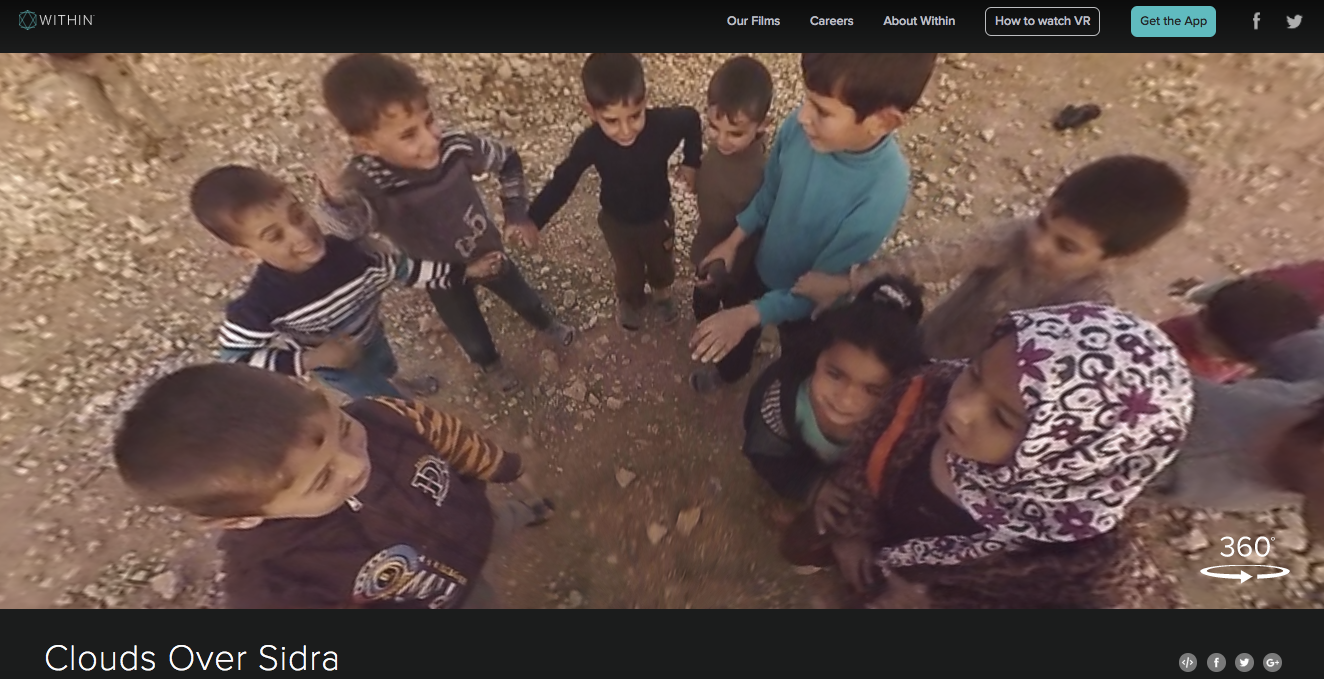
A key question when evaluating the effectiveness of VR as a medium is to ask yourself, “why is this story better told through VR than it would be through a regular film?” Some people argue that because most VR films are just like normal films except you can decide where to look, there isn’t much value to VR. A similar concern could have been said about animation as a form of storytelling.
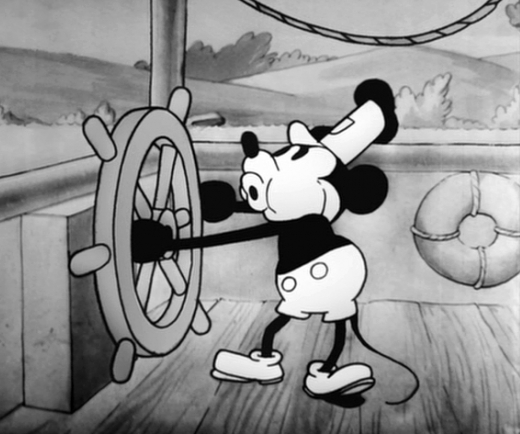
Seeing this mouse moving around is great. But is it really that great if it isn’t very realistic?
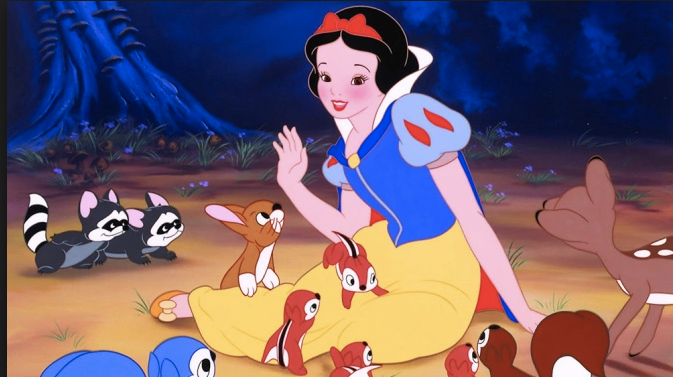
What happens when they start making it more realistic? We see real animals, real people, real detail with real stories. Does this continue to develop into a story more and more worth telling?

Eventually, those pioneers of a medium are heralded as the Godfathers of one of the most effective storytelling mediums we have. I genuinely believe that VR will experience the same life cycle.
People laude the potential use-cases for VR in education, training, gaming, all sorts of things. Granted, like my stuffy friend pointed out, the technology is underdeveloped. But ultimately, the potential empathy that VR can instill will be world-changing in regards to the way people consume media. Watching a movie will become significantly more active, and will hopefully require more of the viewer than passive attention.