Kyle Harrison
article
Goodbye Gatekeepers
Goodbye Gatekeepers
Ben Thompson’s 2017 Stratechery essay: the internet makes gatekeepers obsolete because it provides abundance, not scarcity.
Why it was kept
Thompson’s argument, in the passages Kyle kept: a gatekeeper is another word for an integrator, controlling limited distribution against unlimited supply; Weinstein was the extreme case of how rotten that position can become; YouTube creates a hundred times as many stars as Hollywood’s roughly 3,500 acting slots; and ‘power flows from discovery, not distribution’. Saved on the same day as Rex Woodbury’s newer take.
As Kyle captured it
- Goodbye Gatekeepers – Stratechery by Ben Thompson #Gatekeepers
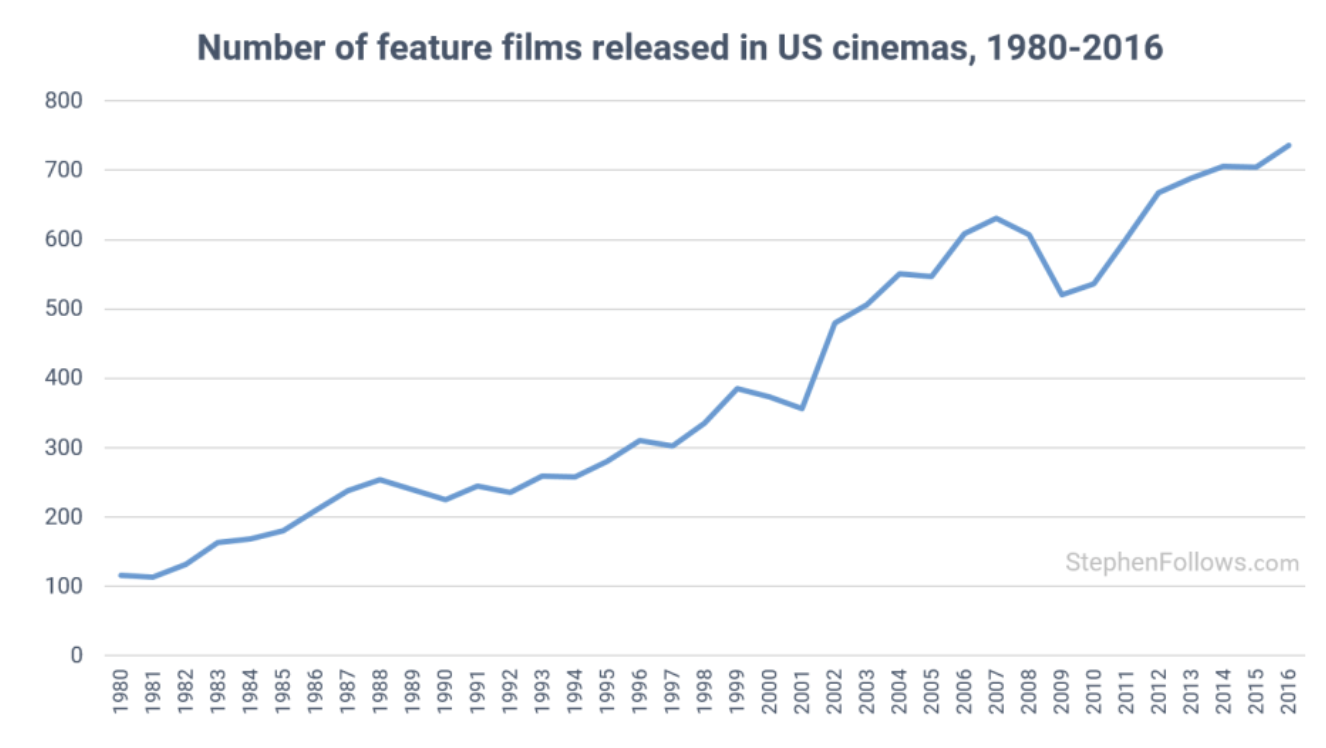
- The supply of movies, though, is limited. These two charts from Stephen Follows tell the story. First, the number of feature films:
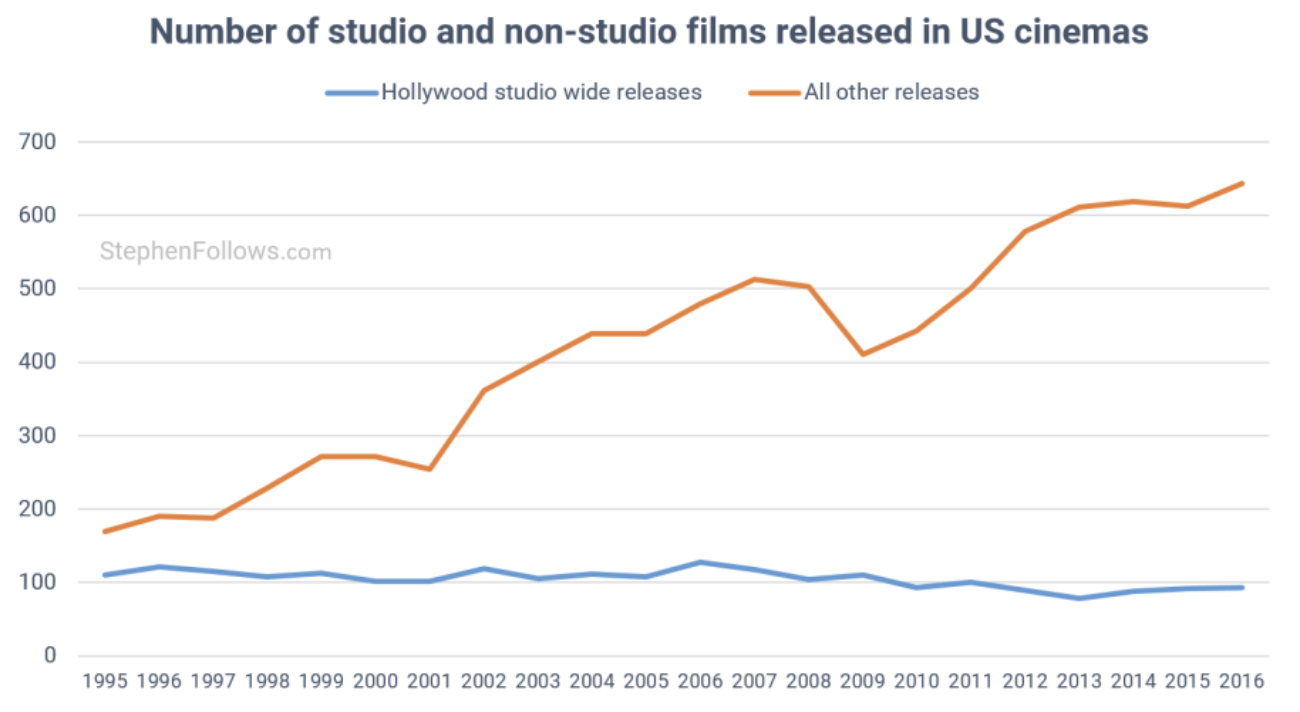
- Weinstein was a gatekeeper, presented with virtually unlimited supply while controlling limited distribution: those that wished to reach consumers had to accede to his demands, no matter how criminally perverse they may have been.
- “Gatekeeper” is another way to say “integrator”, and as I have explained previously, the key to the newspaper business model was controlling distribution and integrating editorial content and ads. In 2004, though, that integration was the verge of falling apart; the Internet meant advertisers would reach customers directly. It had already happened with Craigslist and classifieds, and first ad networks and then social networks would do the same to display ads, causing newspaper advertising revenue to plummet to levels not seen since the 1950s:
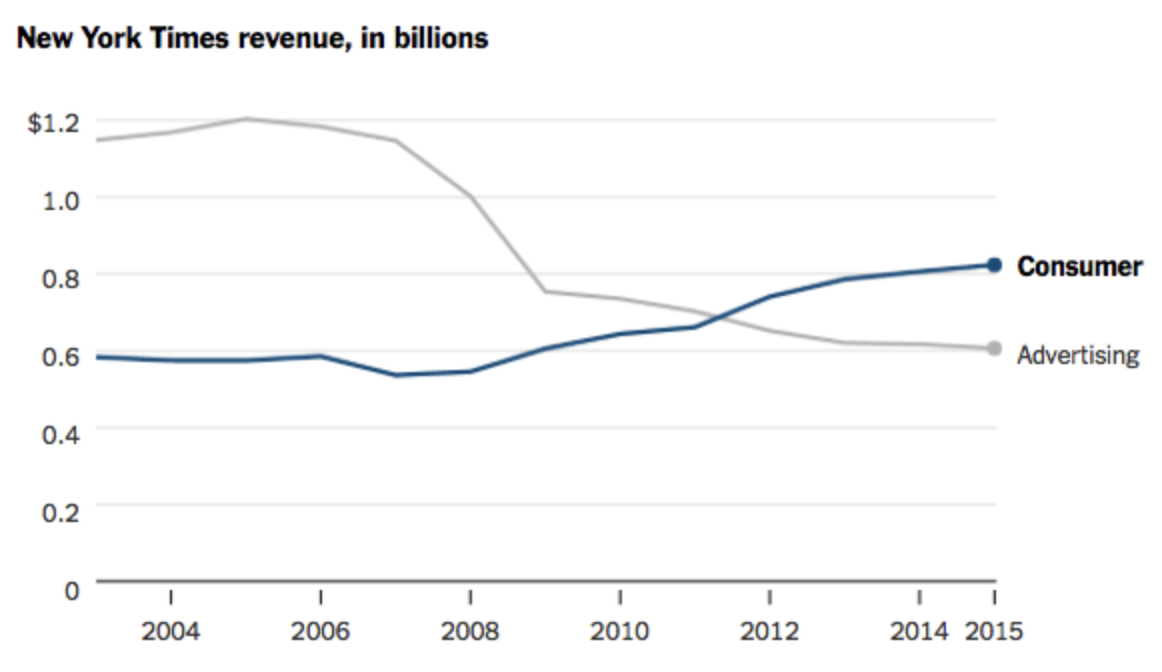
- That image is from the company’s 2020 strategy report, which declared that the editorial product should align with the company’s focus on subscriptions; Baquet told Recode that it was his job “to do as many ‘Amazons’ as possible”, referring to the paper’s investigative report on Amazon’s working conditions.
- Meanwhile, more and more cachet — and star power — is flowing to serialized television, particularly distributors like Netflix and HBO that go directly to customers. And don’t forget YouTube: video is a zero sum activity — time spent watching one source of video is time not spent watching another — and YouTube showed over a billion hours of video worldwide every day in 2016.
- YouTube represents something else that is just as important: the complete lack of gatekeepers.
- Hollywood has only ~3,500 acting slots a year (including all movies, not just major studios), YouTube creates 100 times as many “stars” over the same time period.
- This is a big problem for the parties as described in The Party Decides. Remember, in Noel and company’s description party actors care more about their policy preferences than they do voter preferences, but in an aggregated world it is voters aka users who decide which issues get traction and which don’t.
- The Weinstein case, though, is a reminder of just how rotten gatekeepers can be.
- Most importantly, though, the end of gatekeepers is inevitable: the Internet provides abundance, not scarcity, and power flows from discovery, not distribution. We can regret the change or relish it, but we cannot halt it: best to get on with making it work for far more people than gatekeepers ever helped — or harassed.