2025 in Books
Connections
Books: The Man Who Broke Capitalism, Flying Blind, Wind and Truth, Crime & Punishment, Metamorphosis, Red Rising, Golden Son, Morning Star, Iron Gold, Dark Age, Artificial Condition, Rogue Protocol, Exit Strategy, Network Effect, Fugitive Telemetry, System Collapse, Foundation, Foundation & Empire, The Black Swan, American Zion, An Insider’s View of Mormon Origins, Anthem, Boom: Bubbles & The End of Stagnation, George F. Johnson and His Industrial Democracy, How To Live, Leonard Arrington and the Writing of Mormon History, Project Hail Mary, Story of Your Life, Sunrise on the Reaping, The Book of Mormon, The Courage To Be Disliked, The Greatest Sentence Ever Written, The Time Machine
Essays: 2024 in Books, Unions, Unions Everywhere, Historical Futurism (Essay)
My Antilibrary
I started tracking my reading in 2016. I started writing this blog in 2022. Since 2016, I’ve read 261 books. Since 2022, I’ve written over 500K words. But just over the course of 2024 and 2025 I’ve finally managed to both write consistently and keep up with reading 30-40 books a year. Though, despite my consistency, I find myself dwelling more on the books not read and the words not written.
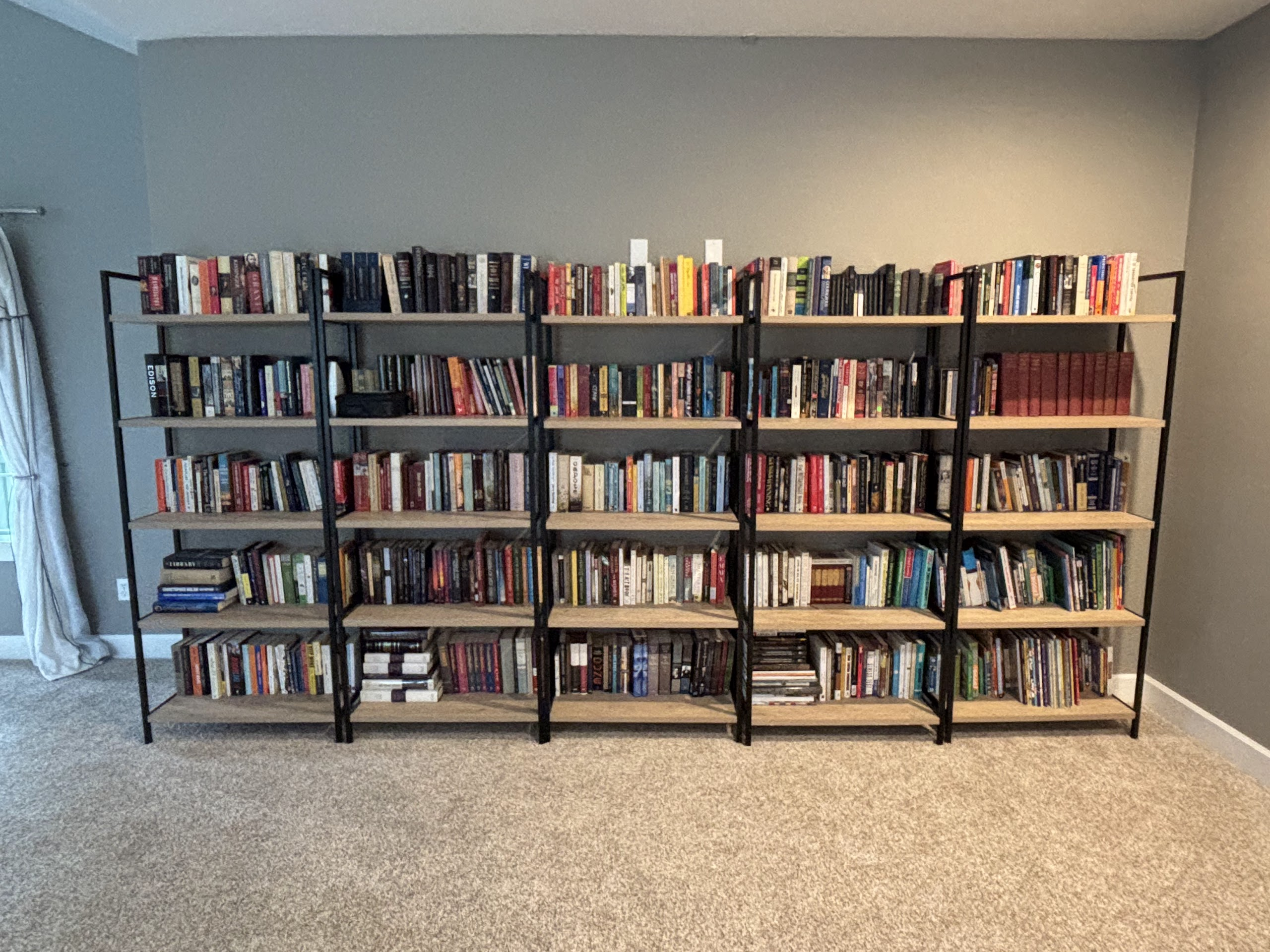
Just in my personal library of physical books, I have ~1K books or so. That doesn’t even scratch the surface on all the books I have in my “Books To Read” list. If I’ve read ~260 books in 10 years, that means it would take 40 years just to finish the books on my shelf.
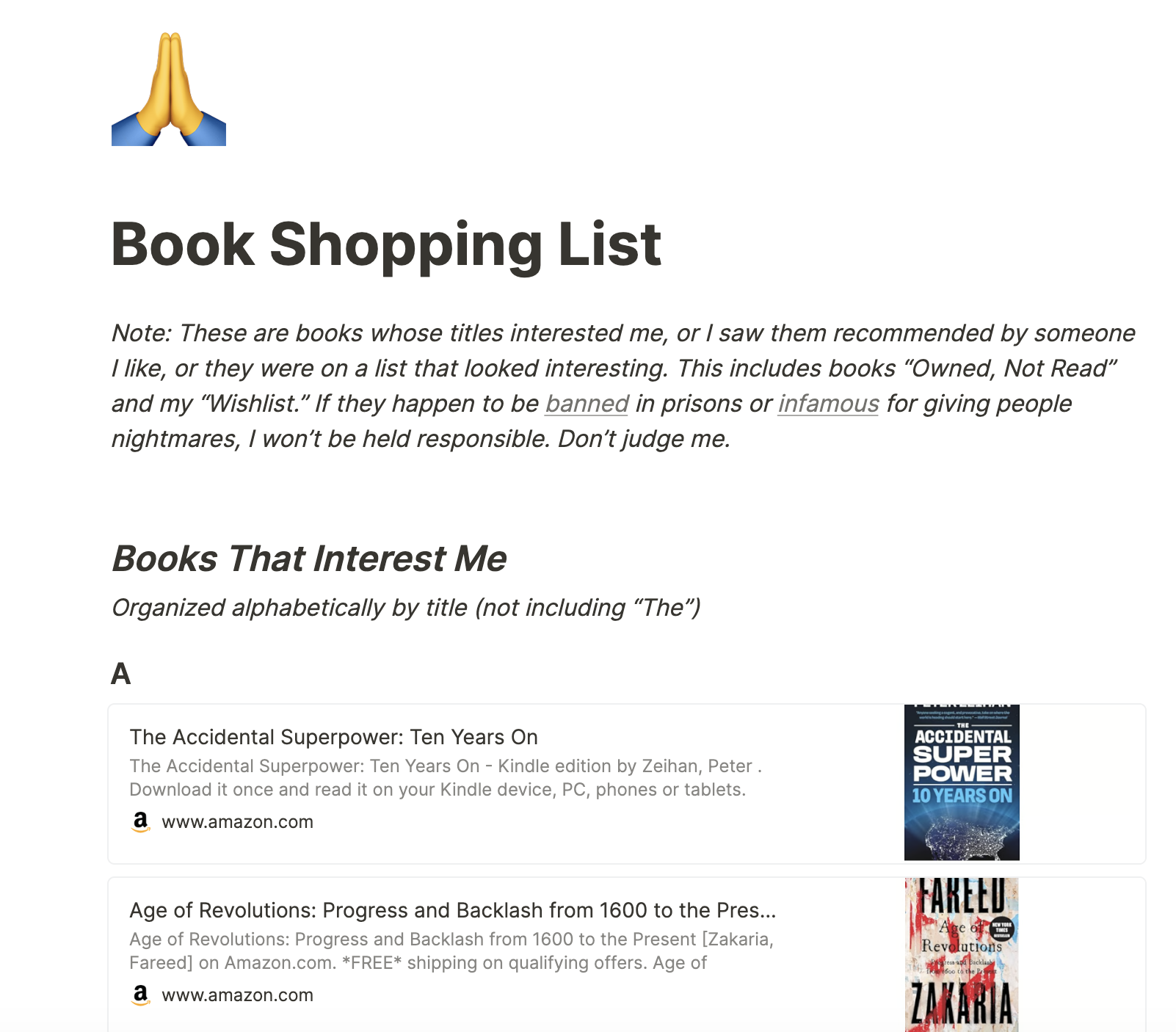
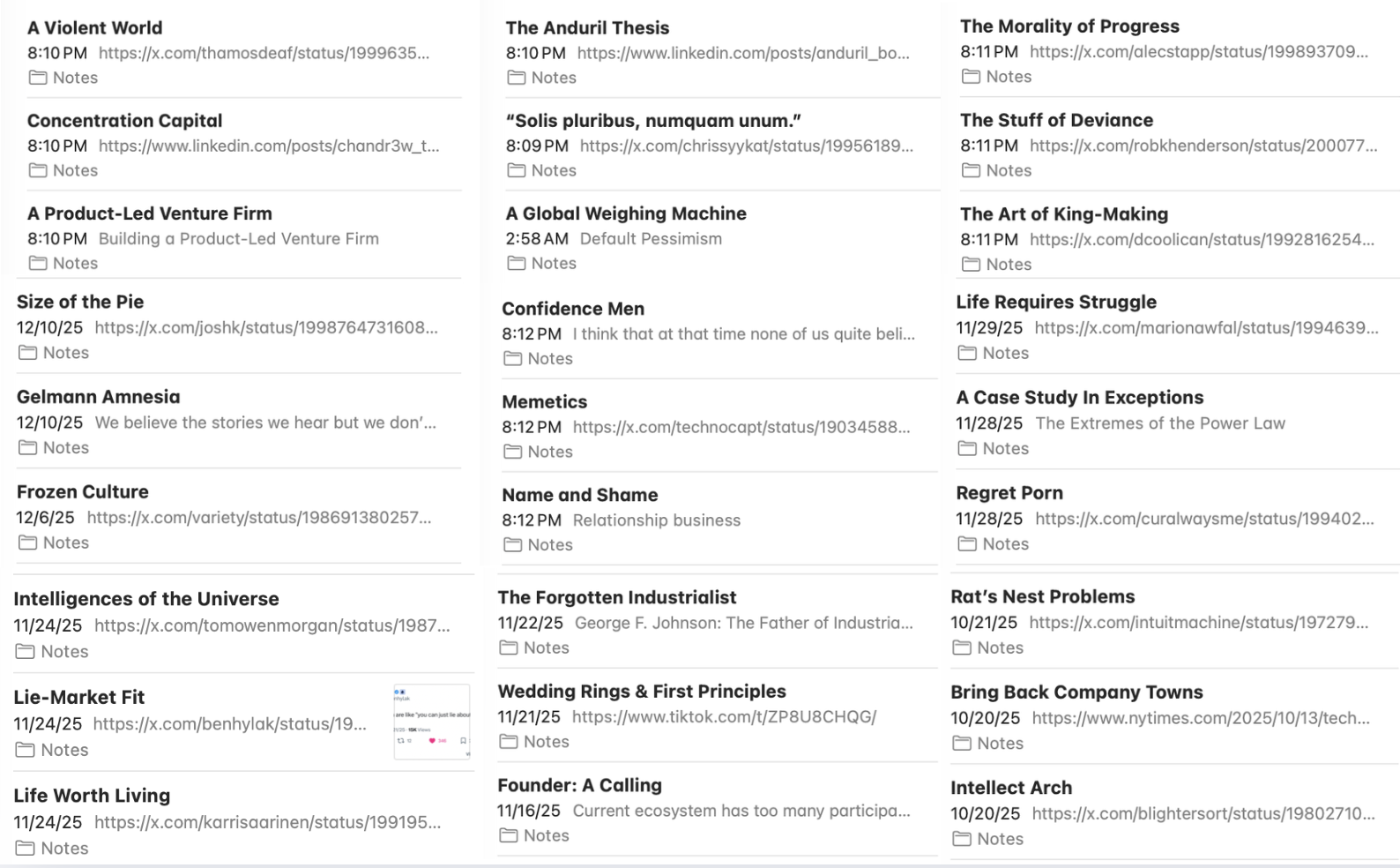
The same is true with my writing. Despite having written consistently every week, averaging ~2.3K words per week, I often feel like I haven’t scratched the surface on what I want to say. Just for starters, I consistently have dozens of notes of things I want to write.
Every word I read or write feels dogged by the word left unread or unwritten. But then, this year, I came across something that changed my perspective. A friend of mine asked me, of all the books I read this year, which was my least favorite. I don’t think this is a bad book, but the one I struggled the most to get through was Nassim Taleb’s book, The Black Swan. But despite my lack of book-vibe fit, I found a quote that has come to encapsulate how I think about my book collection and, by extension, my reading habit:
“A private library is not an ego-boosting appendage but a research tool. Read books are far less valuable than unread ones. The library should contain as much of what you do not know as your financial means, mortgage rates, and the currently tight real-estate market allow you to put there. You will accumulate more knowledge and more books as you grow older, and the growing number of unread books on the shelves will look at you menacingly. Indeed, the more you know, the larger the rows of unread books. Let us call this collection of unread books an antilibrary.” (Nassim Nicholas Taleb)
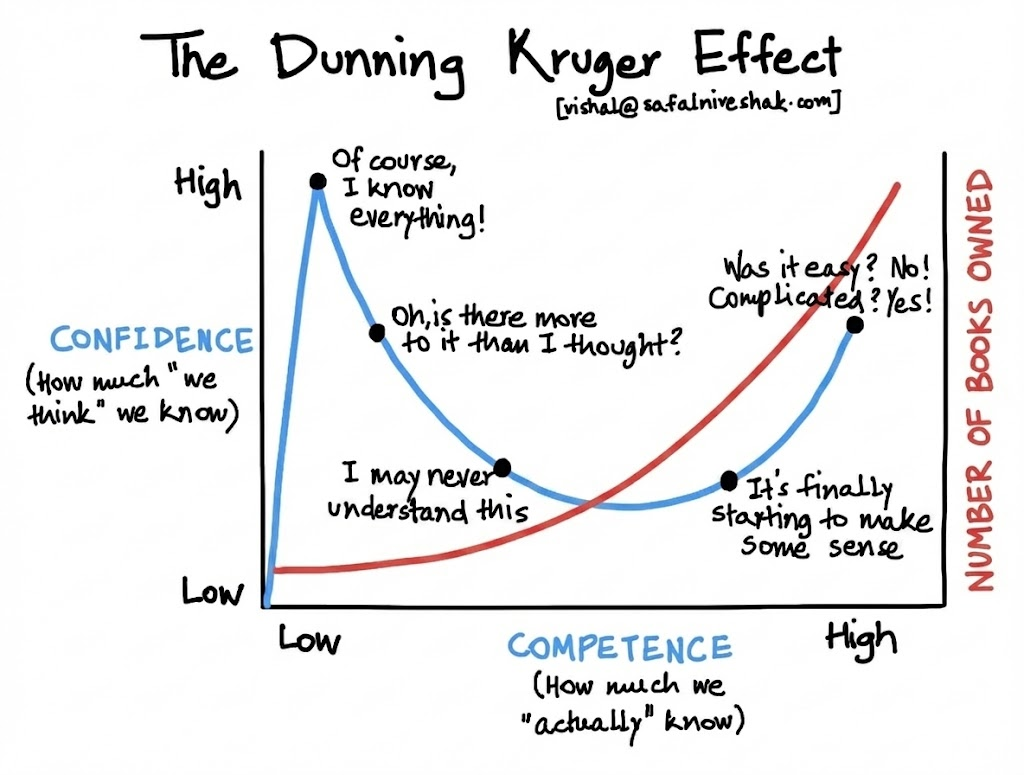
Another way of saying it is my defense to my wife every time I buy new books, despite how many I have that I haven’t read. Reading books and collecting books are two different hobbies. What Taleb is saying, in my opinion, is that the pursuit of knowledge exposes you to the Dunning-Kruger effect. As you realize just how ignorant you are, you will seek more knowledge. That means more books unread, more words left unwritten.
That focus on an antilibrary as a source of pride is important for me as I wrestle with my own inadequacy. I’m not failing to make a dent in my bookshelf, I’m building the corpus of my own ignorant knowledge pursuit. I’m not failing to write what I want to say; I’m basking in the ignorance that I’m unpacking.
Where My Time Goes
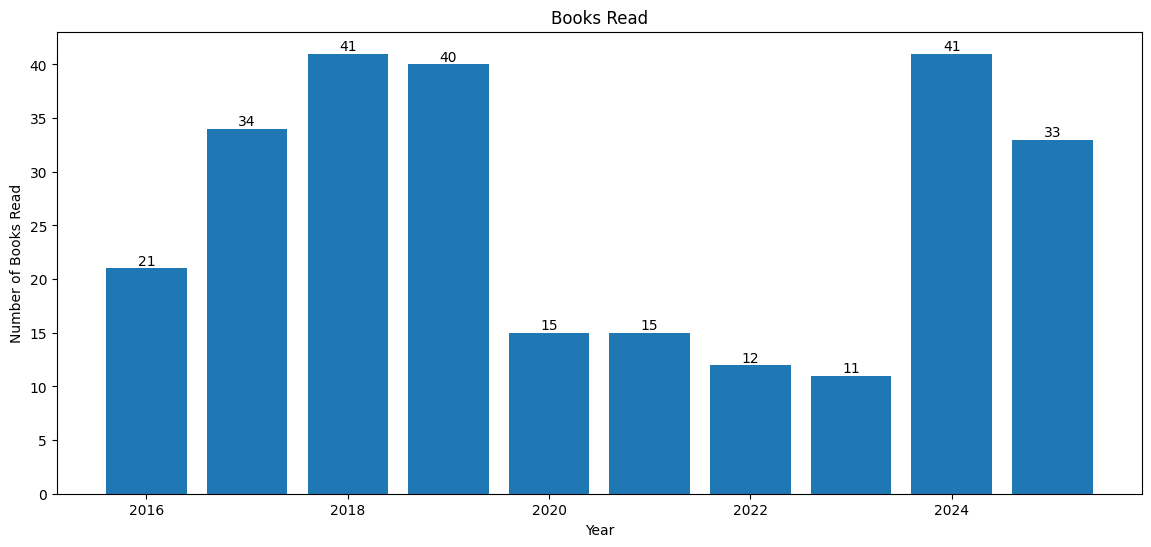
By way of update on my reading, I managed to stay away from the COVID trough of 10-15 books a year and keep it above 30, albeit a drop from last year. Last year, I wrote about the need to “Always Be Reading.” What Ryan Holiday talks about as just reading all the time. In 2024, I largely deleted any distracting app and spent all my time reading. I take pride in the fact that this year, despite seeing my Twitter addiction come raging back, I still managed to read 30+ books.
What’s more, I’m noticing an increasingly broader diversity in the things I’m reading. Typically, each year, I highlight 2-3 themes I noticed across all my writing. This year, I had 5.
Themes
Reshaping Capitalism
The Man Who Broke Capitalism, Flying Blind, George F. Johnson, Boom
I went down a particular rabbit hole out of a fascination with “stakeholder capitalism.” I remember in the first day of my first Finance 101 class, I learned the concept of every company being optimized for “maximizing shareholder value.” That always struck me as odd. Whose to say what shareholders value?
The longer I’ve worked in finance and business building more broadly, the more you appreciate that “stakeholder capitalism” is built on a multi-decade regime of perverse incentives and short-termism. Starting with The Man Who Broke Capitalism, you get an exceptional overview of the gratuitous damage that Jack Welch did to corporate America. Almost single-handedly, he directly or indirectly damaged or irreparably killed a dozen companies, each that were 50+ years old; American institutions. And one guy’s filth-ridden obsession with “maximizing shareholder value” was all it took. Flying Blind is an extension of the same story. A Welchite takes an American institution like Boeing and drives it into the ground.
From there, I was reminded of a story I’d heard on a podcast years ago; George F. Johnson and his Square Deal. As I wrote about it in a few different pieces this year I came across a book written about the shoe empire Johnson built in the early 20th Century and how he represented a fundamentally different vision of capitalism than Jack Welch.
Unfortunately, I’m also eyeballs deep in an AI bubble that puts me in between a double-edged rock and a hard place. Seeing a technology that can be transformational but being run through a system of shareholder capitalism that feeds on a speculative bubble. That led me to Boom to try and wrap my head around the supposed “pros and cons” of bubbles.
Unfortunately, I walked away from that rabbit hole disheartened. The pull of speculative short-termism feels too strong to be avoided by the vast majority of people.
Epic World-Building
Wind and Truth, Crime & Punishment, Metamorphosis, Red Rising, Golden Son, Morning Star, Iron Gold, Dark Age, Artificial Condition, Rogue Protocol, Exit Strategy, Network Effect, Fugitive Telemetry, System Collapse, Foundation, Foundation & Empire, Project Hail Mary, The Time Machine, Sunrise on the Reaping
I’ve consistently been trying to read more fiction since a few years ago when someone on Twitter bullied me for sharing my reading list and having read zero fiction. I had a few spats with some classic fiction, from Dostoevsky to Kafka, but the vast majority of my fiction this year came in the form of science fiction world-building. In fact, almost 50% of the books I read this year were sci-fi. What I’ve noticed is how much I enjoy science fiction that is anchored in our own world, or the fundamental laws of the same. More than alien civilizations, its an extension of humanity’s journey.
I also increasingly want to see more science fiction used as a collective brainstorming exercise. Imagine different versions of the world we live in, and deal with the ramifications. Historical Futurism is the lens I’ve used to think through how past science fiction has done that in the past, but I’m always hungry for a series that sheds light on our own current and future state.
Collective Self
Anthem, Story of Your Life
Speaking of science fiction setups that make me reflect on the world in which we live, one of my favorite TV shows that I watched this year was Pluribus, from the creator of Breaking Bad. I’ve been formulating in my notes a full piece I want to write reflecting on this show, but I’ll summarize my high level thoughts here.
Also slight spoilers for the show, so… proceed with caution.
The show opens with the absorption of an alien-based science fair project where humans somehow biologically unlock the ability to form a hive mind. 8 billion merged seamlessly (more or less) into one conscience. Just ~20 people are left disconnected from the grand collective. One in particular, an author, feels immediately obligated to “save the world” from this collective conscience.
I was immediately bothered by the unapologetic lack of curiosity from the main character. While asking almost zero questions, she immediately sets out to “fix” the problem. As I worked to unpack my own thoughts, I started thinking about some of the stories I’d heard that dealt with similar themes of individuality.
The first was Anthem, from Ayn Rand. Rather than a biological “joining,” this is a cultural suppression of individuality. The story is of a society that has crafted itself around collective uniformity, but its cultural. Not biological. As a result, the story follows a member of the collective who rediscovers the beauty of self.
The second was Story of Your Life by Ted Chiang, a quick story that is the source material for the Denis Villeneuve film, Arrival. An alien race arrives on earth and seeks to deliver some kind of “gift.” Over the course of the story, it becomes clear that the aliens influence is effectively providing the ability to view time as non-linear. It’s an incredible take on language, communication, and consciousness.
In my theology, God’s course is “one eternal round.” Like the ring on your finger: without beginning and without end. What if you could experience time in a non-linear fashion? Many a time travel movies have talked about experiencing the physical world in a fourth dimension (e.g., H.G. Wells’ Time Machine, which I also read this year). The non-linear conceptualization in Story of Your Life has similarities to the idea of a shared conscience. Arrival frames it as a “more perfect communication.”
Pluribus frames this collective conscience as individual lives shared through universal knowledge. Carol, the main character of the show, is convinced that its akin to Ayn Rand’s Anthem; a forced destruction of self. The disappearance of the ego. But consider the framing of the unified non-linear time language of Arrival; what if? What if you had a perfect understanding of past, present, and future? Would there be conflict? I love a quote from the novel, 2034, about global conflict that says:
“Inherent in all wars… was a miscalculation; by their nature it had to exist. That’s because when a war starts both sides believe they can win.”
With perfect understanding… would there be conflict? One of these days, I’ll unpack my whole thought process around the show. More to come.
Self-Acceptance
The Courage To Be Disliked, How To Live
Next up, I had a few books that, for me, revolved around self-acceptance. The Courage To Be Disliked, in particular, was a very important book for me. In fact, I did something I very rarely do. I added it to my Quake Books.
Most of what I took away from this pocket of experience, I think I’ll keep just for me. But I’ll sum up with this. Every problem is an interpersonal problem. So much of life is made more difficult because we’re trying to accomplish other people’s tasks. Our tasks are those whose consequences we are ultimately responsible for. I’m responsible for doing my best, feeling comfortable in my own skin, but I am not responsible for what other people think of me or how they treat me. Shaping my life around those aspects I can control frees me up to actually be useful to my fellow human beings as I enable more capacity.
Mormon Apologetics
American Zion, Leonard J. Arrington & The Writing of Mormon History, The Book of Mormon, An Insider’s View of Mormon Origins
Finally, I continued to dig into books in and around Mormon Apologetics. I often feel that religion writ large doesn’t get the intellectual engagement it deserves. Even more so my own particular faith. People see a goofy con job from a New York farm boy in the 1820s and dismiss it as laughable. In reality, there is a rich and complex cosmology surrounding my belief system. I’m not a blind-eye believer. My intent is to intellectually engage with the difficult questions and try and come to an understanding, rather than just smile and move on.
Reading as a Parent
Finally, I’ll include a section I’ve touched on each time I’ve done this annual Books in Review thing. What its like to try and put reading front and center in how I raise my kids.
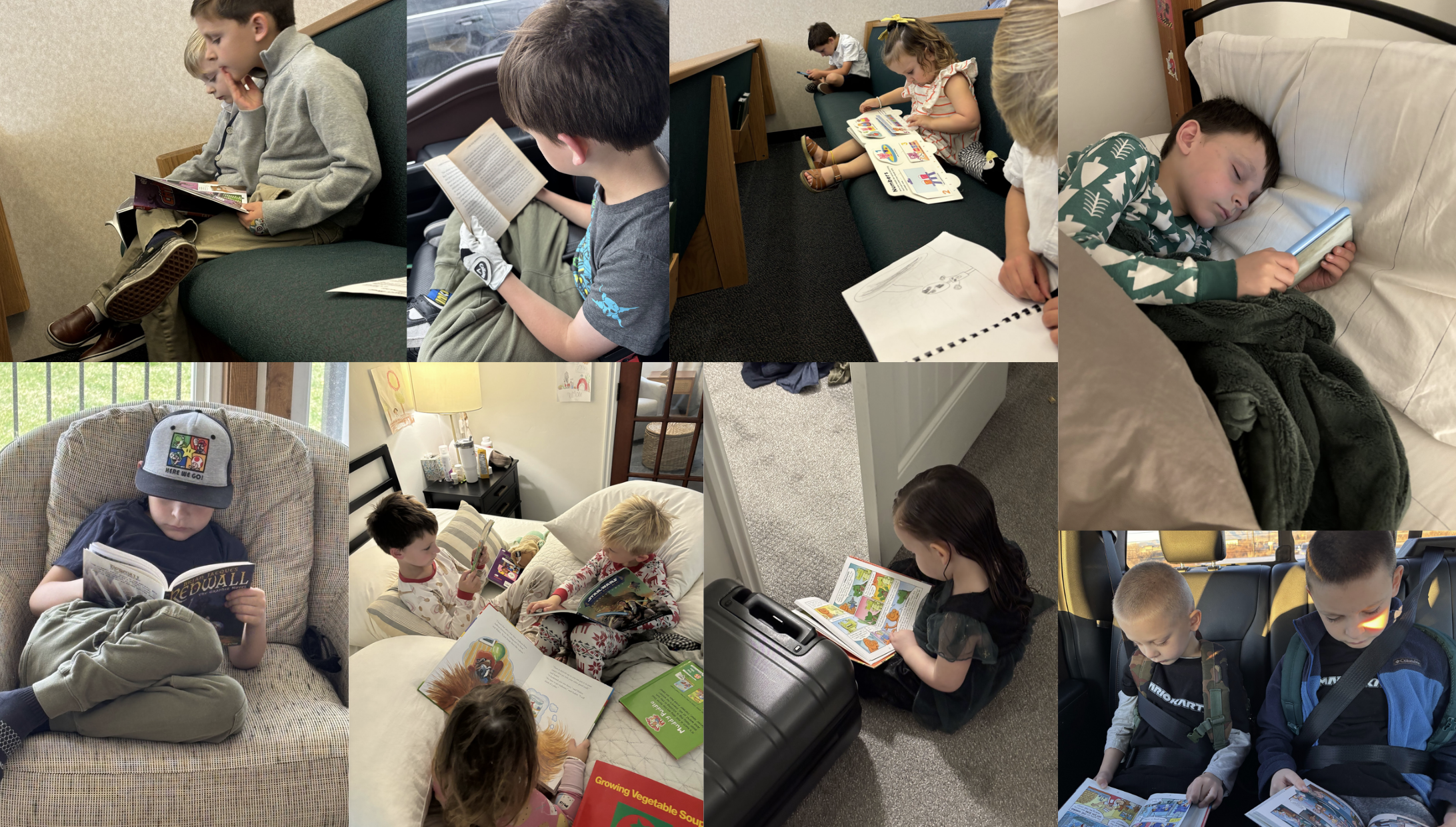
I’ve frequently seen people point to claims like ones in this 2010 study, saying “Books in home as important as parents’ education in determining children’s education level.” Others saying that even a modest number of books in the home, like 20, can have a material impact on a child’s educational outcomes. I haven’t dug into the data or methodology here so who knows.
But my gut tells me that if you take a couple with children who never read and you drop 20 books in their house it won’t be nearly as impactful as having parents who have actually read 20 books (at least.) My perspective is that its not just the presence of books but of bookishness. The more reading you do as a parent, the more you open up your child’s neurological pathways. The more capable they become of creating new connections, new ideas, and expanding their brains.
So, as I reflect back on my reading from the past year, I do it with that in the back of my mind as well. I’m not just reading for me but so that my kids have a reader as a Dad.
The full list is below.
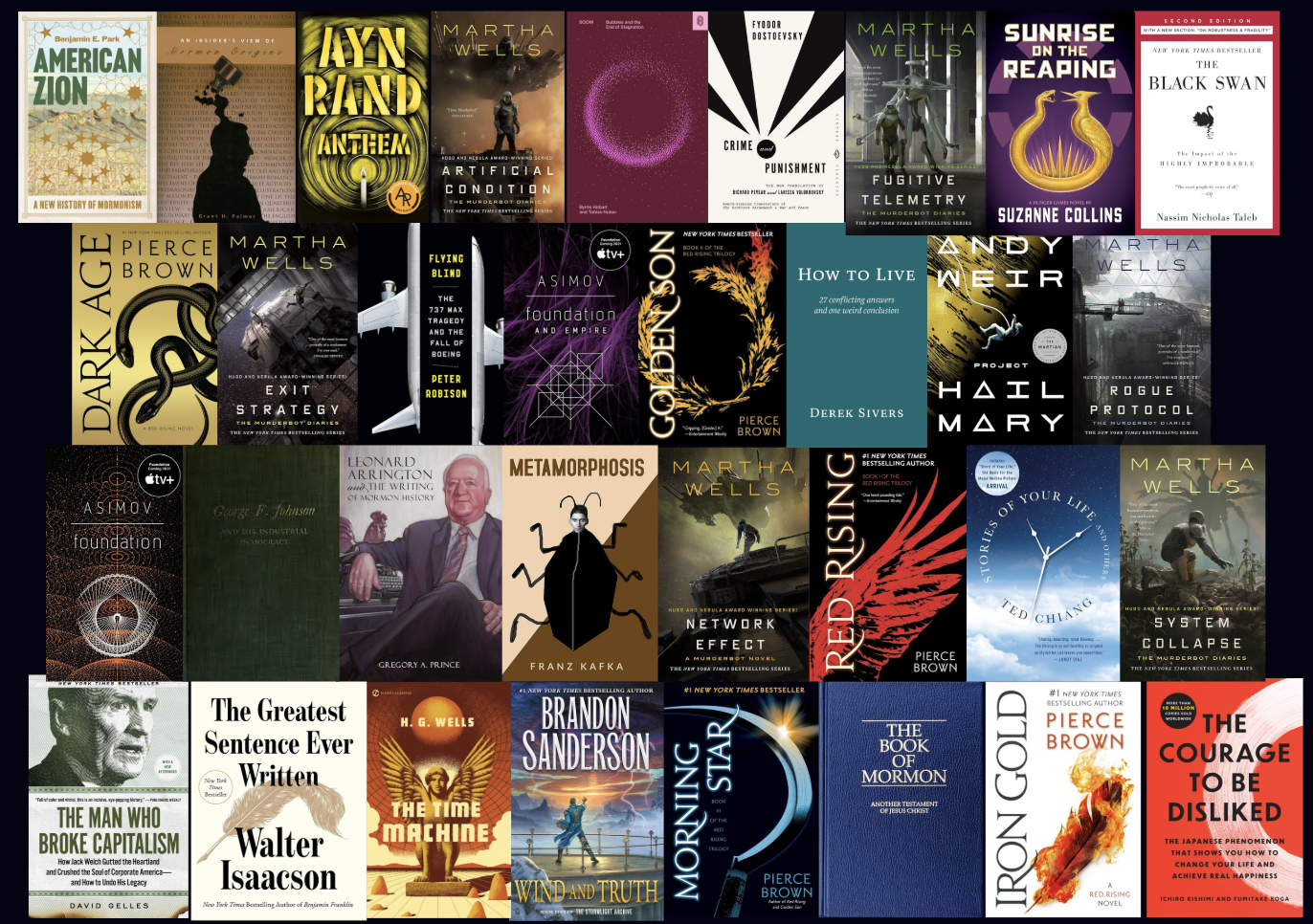
The Full List — 33 books
Every book I read in 2025. Covers link through to the bookshelf.
 American Zion — Benjamin Park
 An Insider’s View of Mormon Origins — Grant H. Palmer
 Anthem — Ayn Rand
 Artificial Condition — Martha Wells
 Boom: Bubbles & The End of Stagnation — Byrne Hobart, Tobias Huber
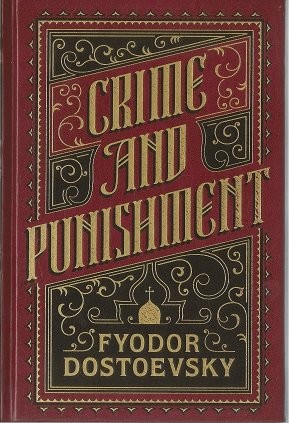 Crime & Punishment — Fyodor Dostoevsky
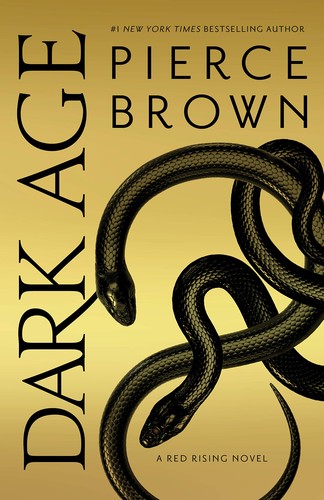 Dark Age — Pierce Brown
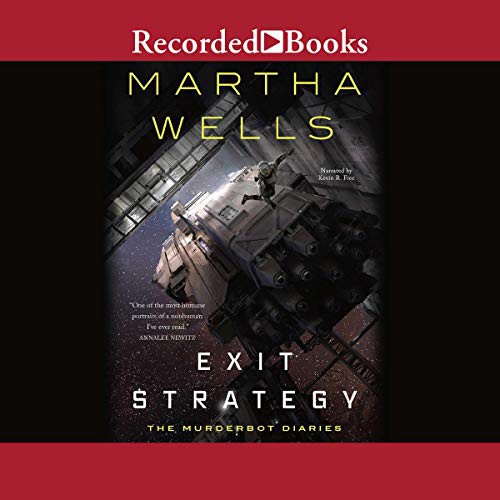 Exit Strategy — Martha Wells
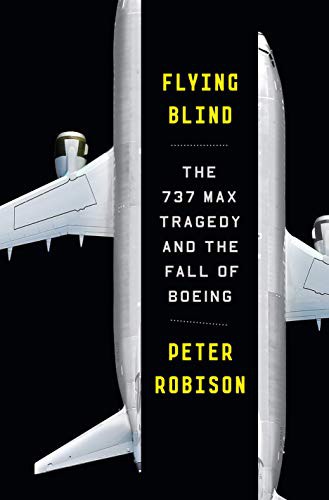 Flying Blind — Peter Robison
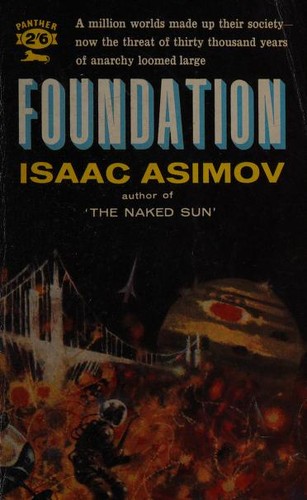 Foundation — Isaac Asimov
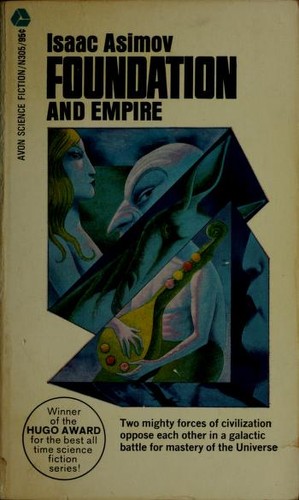 Foundation & Empire — Isaac Asimov
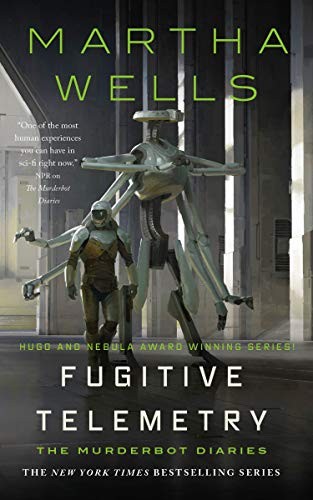 Fugitive Telemetry — Martha Wells
 George F. Johnson and His Industrial Democracy — William Inglis
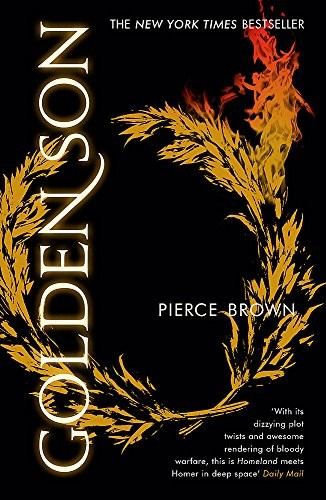 Golden Son — Pierce Brown
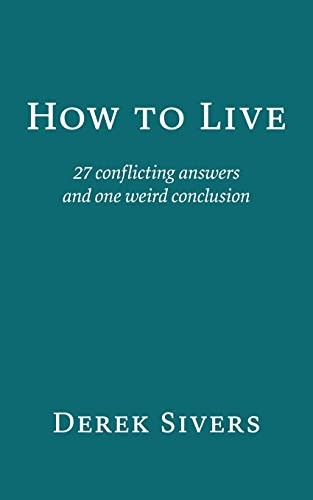 How To Live — Derek Sivers
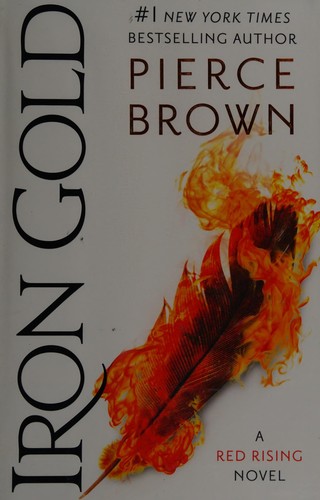 Iron Gold — Pierce Brown
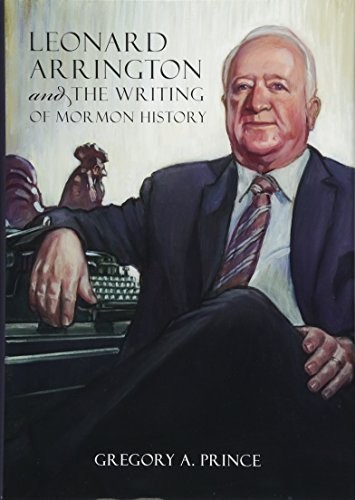 Leonard Arrington and the Writing of Mormon History — Gregory Prince
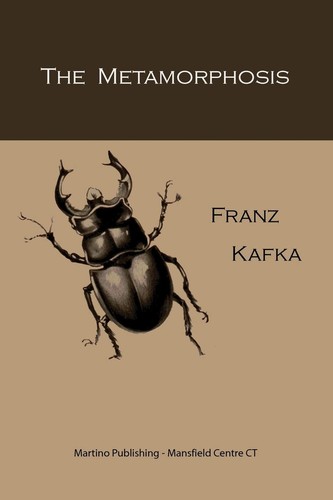 Metamorphosis — Franz Kafka
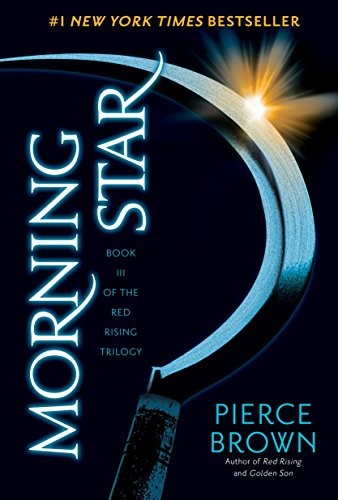 Morning Star — Pierce Brown
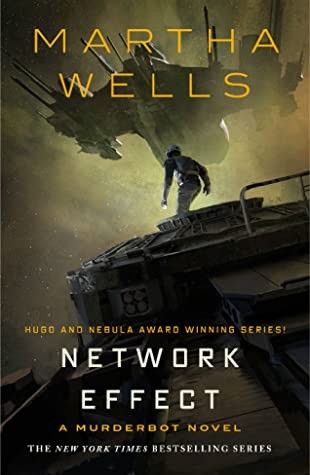 Network Effect — Martha Wells
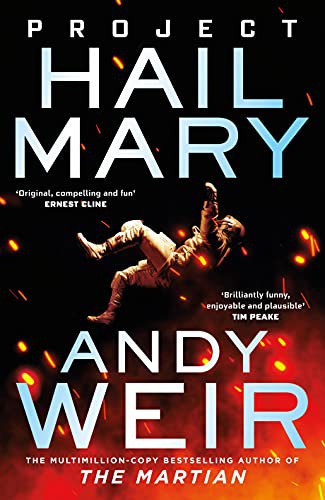 Project Hail Mary — Andy Weir
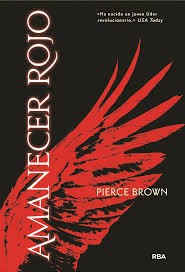 Red Rising — Pierce Brown
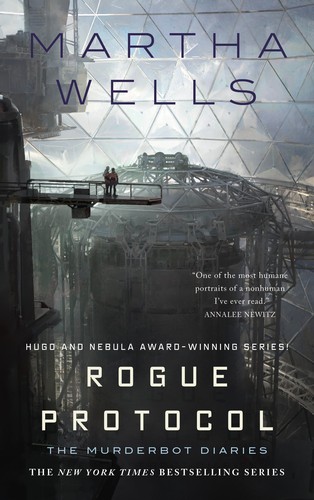 Rogue Protocol — Martha Wells
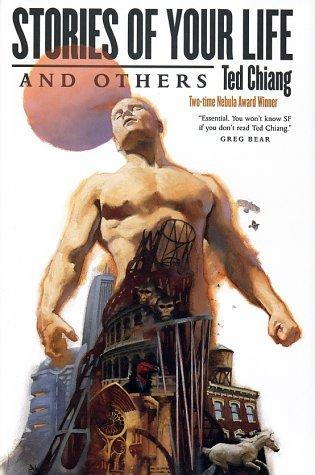 Story of Your Life — Ted Chiang
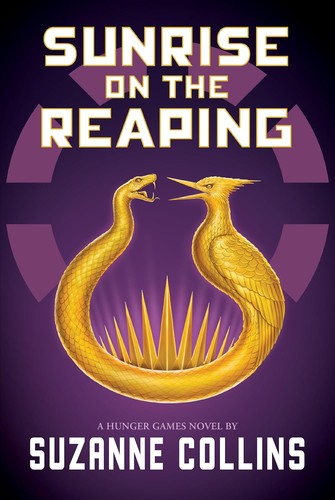 Sunrise on the Reaping — Suzanne Collins
 System Collapse — Martha Wells
 The Black Swan — Nassim Nicholas Taleb
 The Book of Mormon
 The Courage To Be Disliked — Ichiro Kishimi, Fumitake Koga
- The Greatest Sentence Ever Written — Walter Isaacson
 The Man Who Broke Capitalism — David Gelles
 The Time Machine — H.G. Wells
 Wind and Truth — Brandon Sanderson
Referenced in
- American Zion book
- An Insider's View of Mormon Origins book
- Anthem book
- Artificial Condition book
- Boom: Bubbles & The End of Stagnation book
- Crime & Punishment book
- Dark Age book
- Exit Strategy book
- Flying Blind book
- Foundation book
- Foundation & Empire book
- Fugitive Telemetry book
- George F. Johnson and His Industrial Democracy book
- Golden Son book
- How To Live book
- Iron Gold book
- Leonard Arrington and the Writing of Mormon History book
- Metamorphosis book
- Morning Star book
- Network Effect book
- Project Hail Mary book
- Red Rising book
- Rogue Protocol book
- Story of Your Life book
- Sunrise on the Reaping book
- System Collapse book
- The Black Swan book
- The Book of Mormon book
- The Courage To Be Disliked book
- The Greatest Sentence Ever Written book
- The Man Who Broke Capitalism book
- The Time Machine book
- Wind and Truth book